How Natural Pest Solutions Can Reduce Hidden Plastics at Home
Homeowners have legitimate concerns regarding microplastic pollution. A growing mountain of research shows that this is creating the conditions for a generational health crisis.
While individuals can’t hope to tackle the impact already reported in our oceans, drinking water, and bodies, we can take action to limit exposure to microplastics in domestic spaces.
Achieving this involves being aware of where they can enter our homes, outside of the obvious examples. Pest control is an excellent example because it’s a necessary process to avoid infestations, yet it can involve compromises for those looking to go plastic-free.
Luckily, there’s a way around this. The answer is to stick to natural methods for managing pests. Here’s a look at how to do this and why it matters.
Making Sense of Microplastic Dangers
First, it’s worth recognizing the risks of microplastics without making them seem remote or abstract. At home, they can end up contaminating food, causing acute respiratory issues, and leading to long-term health problems. Research indicates (1) that their persistence in the environment is a serious problem, and their toxicity is still being studied to expand our understanding.
All you need to know is that changing routines at home is the best option for fighting microplastics, even if you can’t control them elsewhere in your daily routine.
Related: Opt for a Chemical Free Pool and Forget about Plastic (in) Swimming Pools!
Managing Pests Naturally
Synthetic, man-made pest control products are a potential source of microplastics. They also rely on harsh chemicals that are toxic to humans and thus undesirable when introduced to domestic environments. The good news is that you can choose natural routes for pest control that are equally effective and far less damaging.
Eliminate Entry Points
The easiest fix for pest problems is blocking their entry into your home in the first place. Simple maintenance tasks, such as replacing window and door seals and looking for cracks in masonry and plaster on the outside of your property, are an excellent defence.
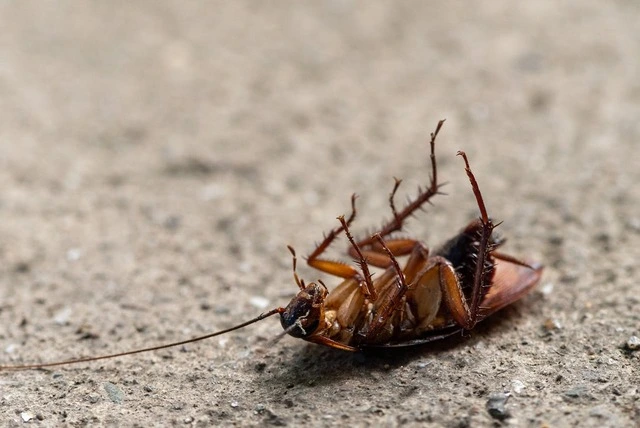
Another excellent natural insect repellent is diatomaceous earth, which is essentially a type of crumbly rock. It’s effective against slugs, snails, ants, and cockroaches, among other creepy crawlies.
For bigger jobs, it’s best to call in local professionals. For instance, SC residents should seek the assistance of South Carolina pest control experts rather than relying on DIY efforts alone. They’ll know how to handle any infestation in a way that’s both effective and sustainable.
DIY Solutions
You can create your own pest control traps and deterrents, which minimises microplastics and keeps your spending low.
Vinegar traps, made from a glass jar one-third filled with apple cider vinegar and a dash of dish detergent, are a top option. Cover the top with a scrap of material fastened in place with a rubber band, and perforated with a skewer. This will lure fruit flies in, without any harmful products or plastics.
There are even anti-pest plants that are effective when placed strategically near windows and doors. Mint and basil are solid natural repellents and are also useful for cooking!
Changing Habits
In addition to using natural pest control methods, you can also keep your home free from critters by adapting your own habits.
For instance, insects will be less interested in roaming indoors if you use sealed containers for leftovers. Likewise, having a thoroughly cleaned kitchen limits the tempting aromas that attract all sorts of pesky pests.
Related: Elevate Your Space with Sustainable Home Decor: Non-Toxic, Plastic-Free Alternatives for Every Room
The Bottom Line
Going natural is the answer to microplastic problems in many contexts, and it certainly applies to pest control at home. Stick to these tips and work with specialists if a serious infestation occurs rather than being tempted by store-bought, plastic-packaged, chemical-infused products.