

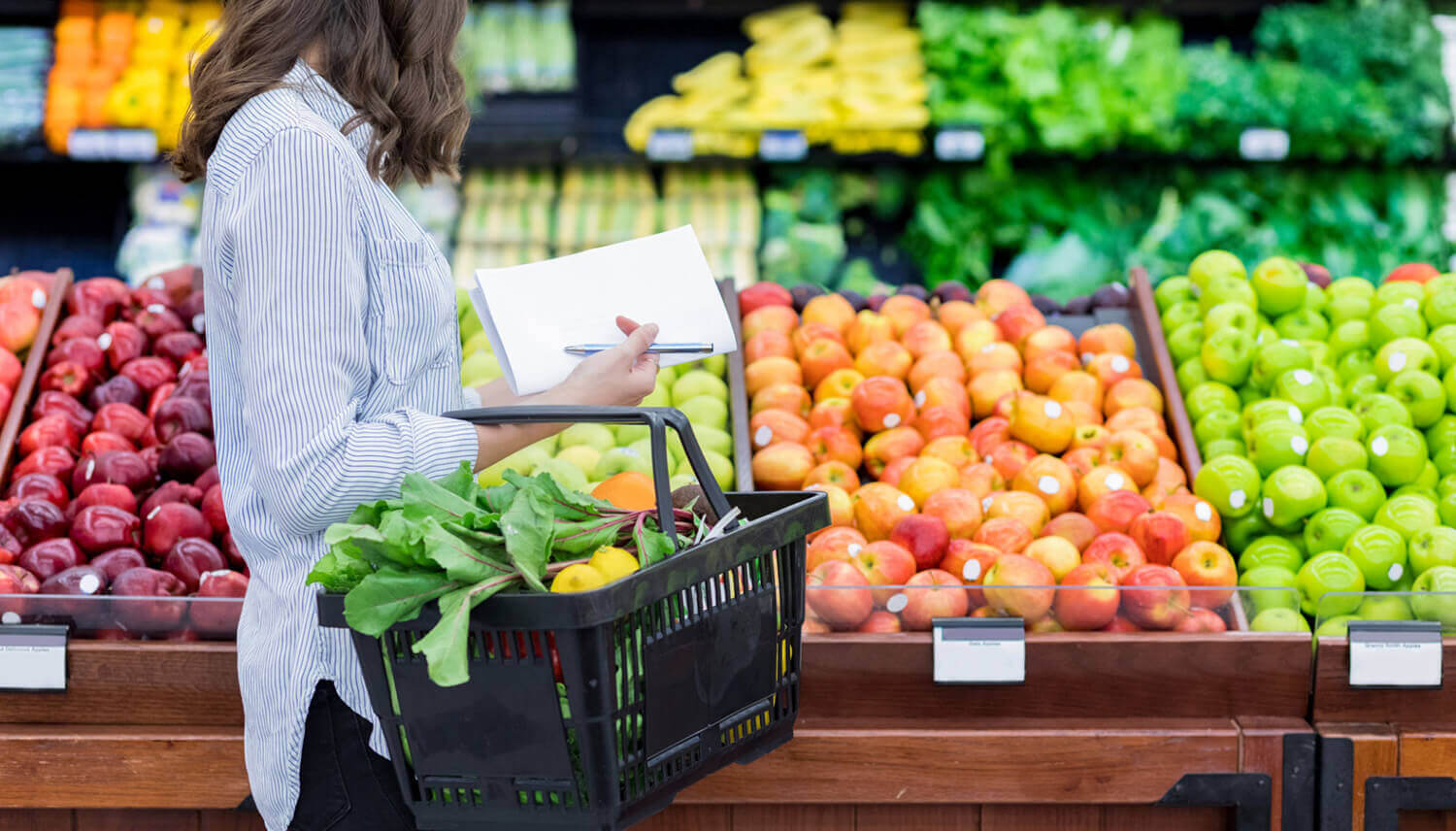
Most consumers believe that shopping is all about personal choice, that every person decides how they’ll spend their disposable resources. However, a consumer’s choice of plastic varies based on a geographical location, budget constraints, and priorities.
Grocery stores are everywhere, meaning that even in areas where plastic bags aren’t available, shoppers will likely still come across plastic products during their shopping.
Access Makes All The Difference
Many people want to reduce plastic, but simply don’t have the tools nearby. In larger cities, it’s often easier to find refill stores, farmers’ markets, and shops that sell loose produce, but the access varies widely between wealthier and lower-income city areas. Living in a city doesn’t guarantee sustainable options.
In smaller towns or rural areas, options can be limited. Groceries may come from one main store, and almost everything is wrapped in plastic. Ordering alternatives online can help, but that adds cost, shipping, and more packaging along the way. In these cases, living plastic-free takes more planning and sometimes more money.
Related: 21 Best Plastic Free Online Stores From Around The World
Local Laws Shape Daily Habits
Rules and regulations play a quiet but powerful role. Recently, California introduced a ban on plastic bags at grocery store checkouts. Others, like the European Union, have restricted single-use plastics like cutlery, straws, or foam containers. When these policies exist, habits change quickly because everyone adjusts together.
In places without these rules, plastic is often the default. Many might still choose reusable items, but it can feel like swimming against the current. Geography decides whether individuals’ personal choices are supported or constantly challenged.
Climate and Storage Realities
The climate also has an impact on the type of plastic that’s used for food. In tropical environments, food spoils more quickly due to warmth and humidity. Products packed in airtight plastic containers can extend their shelf life by protecting the food from moisture and pests. If refrigeration is unreliable or unavailable in these areas, the packaging is vital. Due to this, reducing waste in these regions requires different preservation methods. Some communities rely on traditional techniques like fermentation or drying, or on a more modern approach of cold-chain infrastructure.
In cold climates, on the other hand, fresh food requires less packaging, and it’s less of a concern to store raw products. Although it doesn’t define the value of any particular culture, it indicates that different environmental factors within a specific geographic area will dictate the practical application of these materials.
Cultural Norms Make a Difference
The perception of “normal” is often dependent on geographical location. Certain locations expect that an individual will bring their own container. In some countries, hygiene concerns have made retailers hesitant to allow customer-supplied containers.
Cultural norms evolve over extended periods of time and are closely associated with location, historical events, and local practices. Cultural norms will not change without community-based support and the establishment of the infrastructure needed to create an environment where using reusable products is viewed as the norm.

Related: How To Go Plastic-free: Your First 10 Items!
Digital Tools Fill Some Gaps
When local options are limited, people often turn to online tools for information, inspiration, and access. Blogs, forums, and maps help locate refill points or share tips that work in specific regions. However, some sustainability forums and educational resources might be geo-restricted or blocked in certain regions. For these reasons, some tech-savvy people use a VPN while researching plastic-free alternatives, whether to join international eco communities, compare prices across areas, or access tutorials in different regions. It’s not about shopping more; it’s about learning from places where plastic-free living is more established.
Related: Microplastics Awareness Apps: Digital Tools Supporting Long-Term Plastic-Free Health
Cost Depends on Location
Price is one of the largest barriers to using plastic-free products. Geography affects price, since areas with more companies offering plastic-free products tend to have more competition and lower costs.
Many people want to reduce their waste, but in areas where plastic-free products are scarce, some feel it’s financially out of reach. This isn’t because of indifference, but instead, because income and geography are connected. For instance, a lot of zero-waste shops tend to open in prosperous districts where individuals can afford higher prices. This means that the fight for reducing plastic consumption falls on neighborhoods with the least resources to challenge it. As a consequence, policy reform and accountability from massive organizations are necessary.
Related: Zero Waste Living: Practical Tips for Minimizing Household Waste
Conclusion: Small Changes Still Count
There are a variety of factors that determine the amount of plastic used by consumers. These usually include their location, the system of commerce, and the accessibility of plastic products. Even in areas with limited choices, making small choices such as buying in bulk, using reusable bags or containers can make a difference. Understanding how an area shapes shopping decisions will lead to people advocating for a change where it matters the most.






Add a comment