

Thinking about giving your old home a facelift? There’s one consideration that often gets overlooked in the excitement. The materials you choose will directly impact the air your family breathes every single day.
The reality is, many everyday building products contain hidden plastics that start releasing harmful chemicals the moment they’re installed. It all adds up over time.
So, if you want a healthier renovation, you need to start with better choices, and that’s where this guide comes in.
Why Avoid Plastic in Home Renovation?
A recent policy brief (1) from Habitable, Buildings’ Hidden Plastic Problem, is a wake-up call: building and construction account for a staggering 17% of global plastic production, and if we don’t do something, that figure is set to nearly double by 2050.
Where is all this plastic hiding in your home, anyway?
- Flooring: Think vinyl, luxury vinyl tiles, and synthetic carpets.
- Insulation: Those expanded and extruded polystyrene foam boards that nobody ever really thinks about.
- Pipes: PVC plumbing systems; they’re everywhere.
- Finishes: Acrylic and polyurethane paints and coatings; they’re not always that easy to spot, either.
The danger is that micropplastics (MP), plastic-associated chemicals (PACs), Volatile Organic Compounds (VOCs) etc. can slowly be released into the air and dust in your home, long after you’ve finished the renovation.
And what do these chemicals do to us? A 2025 study (2) published in the Journal “Microplastics” found that MPs are linked to inflammation (respiratory and gastrointestinal systems), immune and hormone disruption, and may increase the risk of cancer and other systemic health issues. The kids, sadly, are most at risk because they’re still growing and are naturally more biochemically susceptible.
But the good news is, there are safe alternatives out there for almost every application.
Related: Sustainable Home Renovations That Use Less Plastic (And Last for Decades)
What Are the Best Alternatives to Plastic Building Materials?
These materials have been around for ages, they’re widely available, and are ready to replace plastic in your next renovation project.
1. Natural Wood (FSC-Certified)
Natural wood, particularly if it’s Forest Stewardship Council (FSC)-certified, is one of the most trusted, plastic-free building materials out there. You can use it for flooring, framing, cabinetry, interior trim, etc.
The beauty of wood is that it breaks down naturally at the end of its life, leaving no nasty waste behind. What’s more, it doesn’t off-gas those toxic chemicals that PVC does. It’s still used in modern homes for hardwood floors, structural framing, and kitchen cabinets. Just pair it with low-VOC finishes for the best results.
2. Bamboo
Bamboo is a highly sustainable and eco-friendly material. It’s fast-growing, highly durable, and regenerates without the need to replant. It’s best for flooring, wall panels, and furniture.
And the best bit? It’s got natural resistance to pests and moisture, so it rivals lots of hardwoods for durability. Plus, its environmental footprint is tiny.
3. Cork
Now this is one of the most underrated renovation materials of all. Cork is harvested without killing the tree, and it works for flooring, wall coverings, and insulation underlayment.
What’s great about cork is that it’s got many natural antiseptic properties while being completely hypoallergenic. There is no off-gassing when you finish it with a low-VOC paint.
4. Clay and Lime Plaster
Wall finishes can release VOCs long after you’ve hung the last cornice. But clay and lime plaster are like a breath of fresh air. They’re natural, chemical-free alternatives that are making a comeback. They regulate indoor humidity, resist mold, and don’t contain a single synthetic chemical.
Clay plaster is great for bedrooms and living areas, while lime plaster is a standout in kitchens and bathrooms.
5. Metal (Steel, Aluminum, Copper)
Metals are the longest-lasting and most recyclable materials out there. As the Habitable 2024 brief (1) points out, numerous countries in the EU are already using copper and iron for water pipes instead of PVC.
Metal is the top choice for roofing, structural components, water pipes, and exterior cladding. It doesn’t release nasty chemicals indoors and will save you a good amount of money in the long term.
6. Glass
Glass is another eco-friendly material; it’s non-toxic, fully recyclable, and completely inert. It doesn’t release any chemicals and brings natural light into your home, which in turn means you need to use less energy for lighting.
It’s perfect for windows, skylights, interior partitions, and showers.
7. Hempcrete
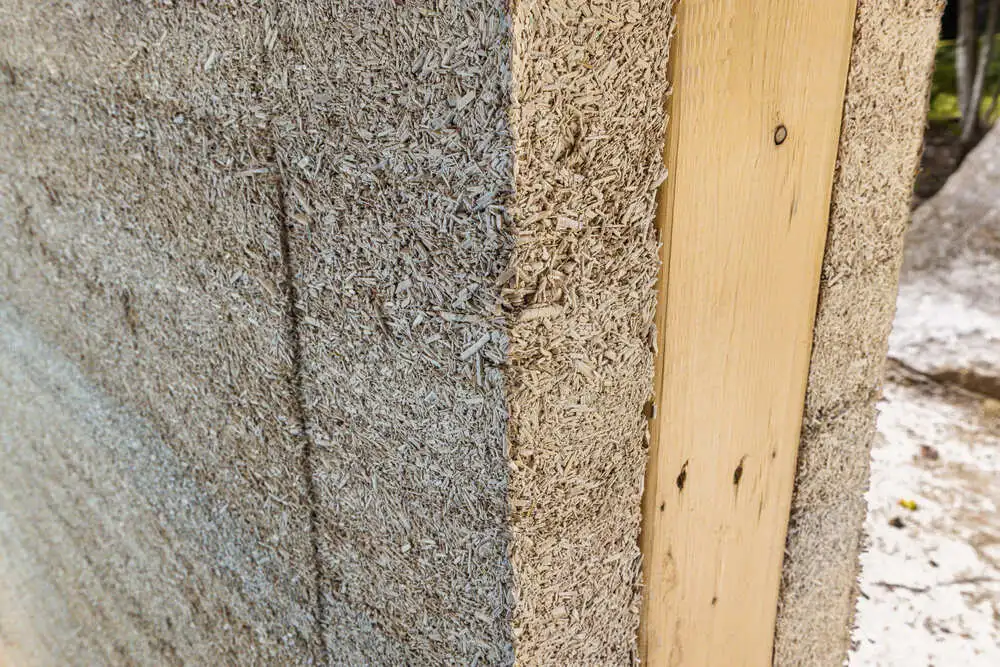
Hempcrete is a plant-based material that uses mineral lime as a binder, avoiding VOCs and microplastics associated with conventional plastic-based foams. It is durable, fire-resistant, and provides excellent thermal and acoustic insulation. At the end of its life, hempcrete can be crushed and composted.
How Do You Choose the Right Materials for Your Renovation?
There is more to choosing the right material than good intentions. You need to think about the climate you live in. Wood and cork need to be protected from moisture in really humid environments, and you need to consider the durability of the material, too. Copper plumbing will last 50 years or more, but PVC flooring needs replacing within 12.
Look for products with FSC or Cradle to Cradle (3) certifications, and don’t get fooled by vague “eco” claims without real third-party evidence. Demand full ingredient disclosure before parting with your cash.
Can You Afford a Healthier Home Renovation?
It’s true, cost is a major concern. But plastic only seems cheap because we’ve got government subsidies masking its true cost. The real bill comes later in the form of healthcare costs and early replacements.
Natural materials will last longer, need less maintenance, and save you more money over time. With home renovation financing options like personal loans, home equity loans, and special payment plans, switching to more eco-friendly materials has never been more accessible.
Common Mistakes to Avoid When Replacing Plastic Materials
You don’t have to be a total amateur to mess up an otherwise better-than-average renovation. All it takes is a few small oversights to quietly undo all your good work. So, keep an eye out for these things:
- Buying green products just because they sound good, but not actually being green
- Not doing your homework and ignoring the proper installation requirements for whatever new materials you decide to use
- Picking materials that are fundamentally incompatible with what you already have installed
- Overlooking proper ventilation and moisture control because you just didn’t think to check that bit
Related: How University Labs Are Shaping the Future of Biodegradable Plastics
Supporting Evidence and Real-Life Examples
Habitable’s 2024 report gives us a clear picture of what happens when we ditch plastic building materials. Take a 100-unit apartment, for example: rip out that PVC flooring and plastic carpet, and you instantly cut 10 tonnes of plastic out of the mix. This jumps to a staggering 60 tonnes over 50 years, which is basically equivalent to 6.5 million plastic water bottles.
If you were to swap out just 20% of the polystyrene insulation used globally for some mineral wool, then you could probably eliminate 7,600 tonnes of flame retardants from getting into the air every year.
And let’s not forget about using materials like wood, cork, clay, and plaster. All of these are a big help in reducing those VOCs, which can trigger inflammation, hormone and immune disruption, and raise the risk of cancer and other health issues.
Key Takeaways
To be blunt, a fair amount of plastic building materials are just bad news all around, whether it’s for your health or the environment. Wood, bamboo, cork, clay plaster, metal, and glass are all safe, accessible, and pretty affordable options.
It’s entirely doable. You just need to do a bit of planning, do your research, and set a realistic budget. And the good news is that there are financing options available for home renovations, so a healthier renovation isn’t just a distant dream; it’s within reach.
References and Scientific Literature Sources:
(1) https://habitablefuture.org/wp-content/uploads/2024/11/Habitable_Policy-Brief-2024_V7.pdf
(2) https://www.mdpi.com/2673-8929/4/2/23
(3) https://c2ccertified.org/certified-products








Add a comment