

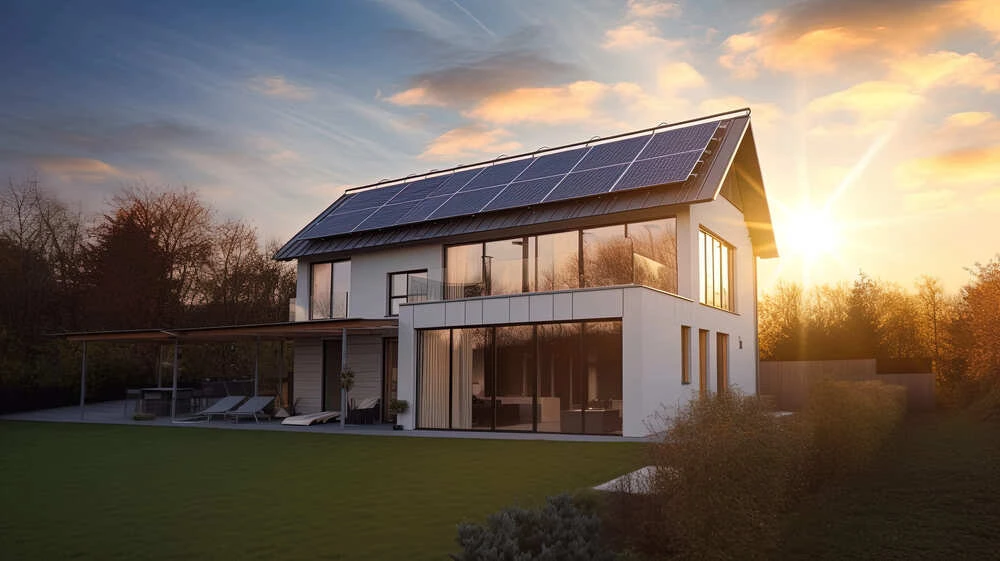
If you really want to change your relationship with materials, you don’t have to start big. Sometimes, it’s as simple as swapping out your plastic toothbrush for a bamboo one, or finally remembering to bring those canvas bags to the store. But, honestly, the biggest difference comes from the decisions you make when you renovate your home. That’s your chance to go way beyond the surface and really commit to building something that’s healthier, tougher, and kinder to the planet, something that lasts, instead of just being convenient for a little while.
People love to talk about plastic-free kitchens and bathrooms, but the outside of your house matters just as much. Tons of classic building materials are packed with petroleum-based plastics, and they don’t age well. They break down, they’re hard to recycle, and they end up as microplastics. If you choose natural or super-durable composite materials, your home becomes a safe space for your family and the environment.
Chose Quality Sustainable Building Materials That Last
A home that lasts doesn’t chase after trends or settle for the architectural equivalent of fast fashion. When you pick quality, sustainable materials, you’re not tossing warped window frames or cracked plastic siding in the landfill after a few years. That’s huge, especially if you live somewhere the weather can really put your house through its paces.
If you’re dealing with wild winters and blazing summers, you need your home’s “envelope”—the outer shell—to be rock solid. The stuff you pick for things like windows and doors makes a real difference in your home’s energy use and its effect on the planet. These days, you can get a wide choice of replacement windows built for the long haul, with sturdy frames that don’t rely on cheap plastics. Fiberglass and sustainably sourced woods are both strong and well-insulated, which means your home stays comfortable and you’re not adding to the plastic problem.
Why Quality Building Materials Matter
Cheap materials have a hidden price tag: they pollute your space and the air you breathe. Synthetics often give off chemicals (VOCs) that stick around in your home and hurt air quality. Pick natural or inert options and your home just feels fresher.
And let’s be honest, real sustainability is about durability. A window that lasts fifty years is a way better deal for the planet than a plastic one you have to toss every decade or so. This kind of long-term thinking cuts down on manufacturing and carbon emissions. It also pays to work with experts who know what your climate demands. For example, if you live in a country with extreme weather like Canada, you want a window company that really understands how to handle wild temperature swings, so your investment doesn’t fall apart after the first cold snap.
Related: Elevate Your Space with Sustainable Home Decor: Non-Toxic, Plastic-Free Alternatives for Every Room
How to Renovate Your Home with Less Plastic
Going plastic-free when you renovate takes a little more effort, but it pays off. Start by taking a hard look at what’s already in your home. Where can you swap in something more natural?
- Use stone and wood for surfaces and structure instead of laminate or vinyl. This will reduce the Volatile Organic Compounds (VOCs)
- Replace old synthetic carpets with ceramic tiles or engineered timber flooring, instead of laminate or vinyl. This will reduce the VOCs as well as the microplastics in the air created by the shedding of synthetic fibres.
- Choose non-toxic paint, particularly for the interior walls. This is completely free from synthetic binders, such as acrylic, vinyl, and plastic polymers. Using zero VOC to low VOC paint improves indoor air quality.
- Pick solid metal, like brass, steel, or iron, for hardware, not plastic-coated materials.
- Choose wool or mineral-based insulation instead of spray foam to keep chemicals out and improve fire safety.
And don’t forget about waste. A zero-waste renovation isn’t just about picking better materials. It’s also about carefully taking things apart so you can recycle or reuse wood, glass, and metal instead of sending it all to the dump, following the principles of the circular economy.
- If possible, buy premium factory seconds & refurbished home appliances and supplies through local stores in your area. Sometimes you find fittings, fixtures, bathroomware, kitchenware unused, still in boxes through Facebook marketplace as they didn’t fit the renovation and are leftover, making a great bargain too.
Conclusion: Building Something That Lasts
At the end of the day, the point of investing time and money in sustainable home renovations is to make a place you love, without wrecking the planet. Everything counts, from the paint on your walls to the glass you put in your windows. When you buy quality and show some respect for the natural world, you’re not just building a house — you’re creating a legacy, something that stands strong for years and actually makes things a little better.








Add a comment