Microplastics 101: What Are Microplastics & How to Reduce Exposure
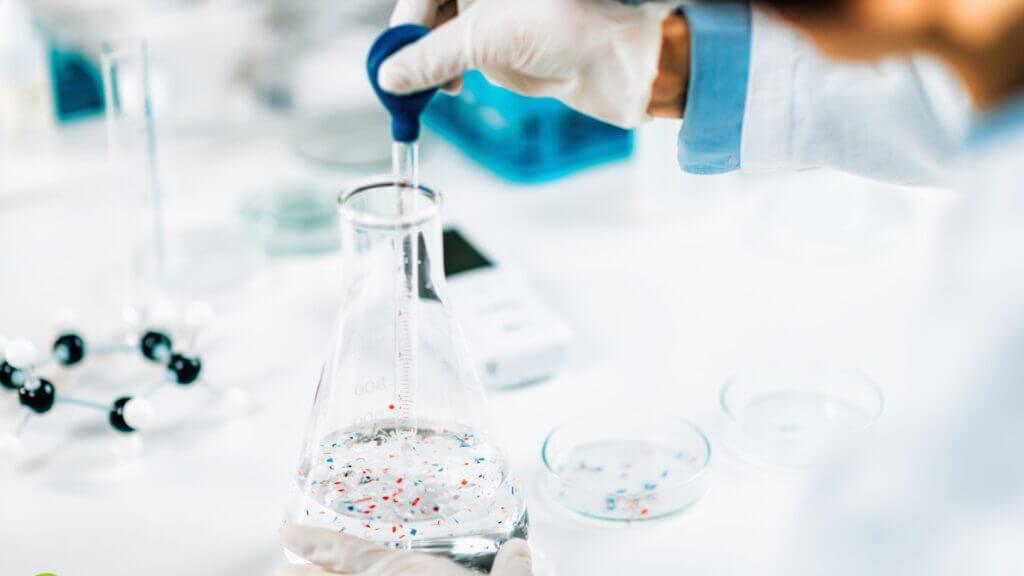
Plastic has shaped modern life. It lightens, lowers the prices of the products and increases their durability. But there is a secret price to that strength. When plastic decomposes it does not vanish. It becomes smaller and smaller pieces which continue to exist in the world surrounding us. These pieces are currently in oceans, soil and food and even in the air that we breathe. Trying to realize the extent of this plastic pollution problem, it is necessary to begin with the fundamentals.
This guide offers microplastics explained in simple terms, and is being considered what they are, what their origin is, the way they get into the human body, and what we can do to limit the exposure.
What Are Microplastics?
Microplastics are minute plastic fragments that are in the range of less than five millimeters. Some are as small as a grain of sand. The others cannot be seen by the naked eye. At even smaller shrinkages, plastic pieces are commonly referred to as nanoplastics. These particles come in many shapes. Some are smooth and round. There are others which are sharp and uneven. Their size enables them to traverse freely in water, air and the live matter. Plastic does not biodegrade in the actual sense and thus these fragments can last decades. This tenacity is one of the factors that have made microplastics pollution an issue.
Microplastics 101 – Where Do Microplastics Come From?
There are two sources of microplastics, which are primary and secondary.
Primary Microplastics
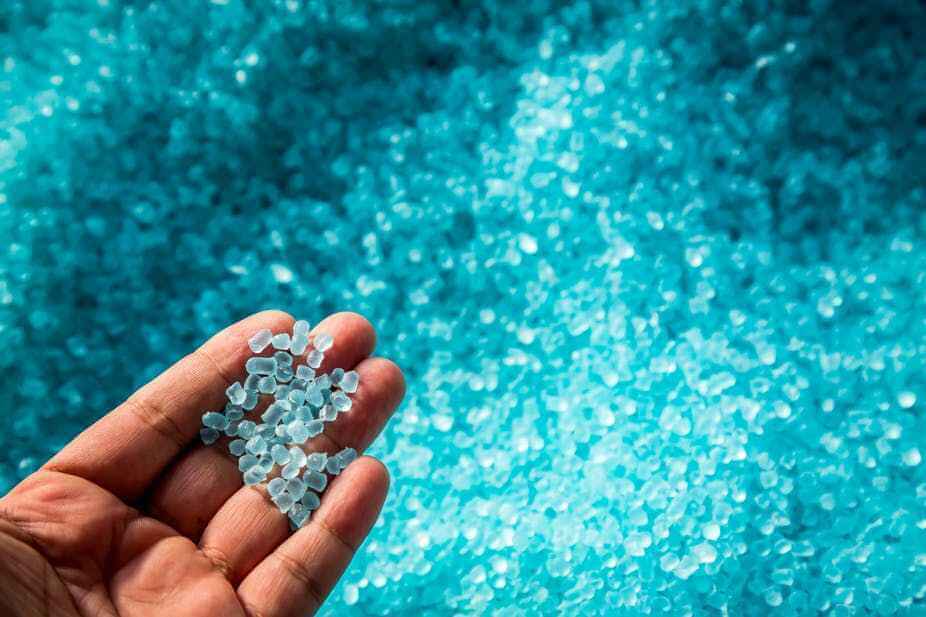
Primary microplastics are produced in a small size. The examples are microbeads that were previously used in exfoliating cosmetics and industrial plastic pellets that were used in manufacturing.
Secondary Microplastics
The secondary micro plastics are the result of the breakdown of bigger plastic materials with time. This breakdown is brought about by sunlight, heat and friction. Common sources include:
- Food wrapping and plastic bottles
- Synthetic clothing made from polyester or nylon
- Tires on cars that lose their particles as they wear
- Coatings and flaking paints
Together, these sources spread microplastics everywhere, from busy city streets to distant oceans far from human reach.
Microplastics in Water and Food Systems
The study of microplastics in water is one of the most researched fields. These particles occur in rivers, lakes, ground water and bottled water. Natural treatments of wastewater plants eliminate few plastic particles, and a great number still enter the natural waterways. Food systems are also affected. Microplastics in food have been detected in seafood, salt, honey, fruits, and vegetables. Marine animals often ingest plastic fragments, which then move up the food chain. Even crops can absorbs microplastics (1) from contaminated soil and irrigation water. This widespread presence makes exposure difficult to avoid.
How Microplastics Get into Us
Microplastics get into the human organism in a number of ways. Each route raises different health concerns.
Ingestion: Oral Intake Through Food and Drinks
The most common ways of exposure are through eating and drinking. The favorite example is seafood, but plant-based foods are not spared. The issue of food packaging provides another exposure source, particularly to plastic containers heated. Once ingested, some particles pass through the body. Others may remain longer, especially smaller fragments. The studies indicate that such particles have the potential to damage tissues and interact with intestinal bacteria.
Inhalation: Respiratory Exposure Through Airborne Particles
It is indoors and outdoors where microplastics are found. Artificial fabric sheds fibrous substances when worn and washed. Household dust hides plastic fragments shed by furniture, carpets, electronics. On inhalation, such particles may be trapped in the respiratory tract. Smaller particles can enter into the deep tissue of the lungs. This route is particularly worrying to individuals residing in cities or those employed in textile and plastic based sectors.
Absorption: Exposure Through Dermal Contact (Skin Contact)
Skin contact is a less studied but growing area of interest. The skin may be exposed to microplastics by personal care products, synthetic clothing, and polluted water. Although the skin is a barrier, the very small particles can penetrate through hair follicles or damaged skin. Further investigation is required but this path cannot be left out.
What We Can Do to Reduce Microplastic Exposure
There is no way to prevent microplastics but by making informed decisions, they can be minimized.
The following are steps that can be put into practice:
Reduce Microplastic Ingestion Exposure
- Use tap water and filter it for microplastics and other impurities, as opposed to bottled water made of single-use plastics.
- Drink from plastic free reusable bottles.
- Avoid takeway and single-use plastic containers.
- Avoid takeaway coffee cups.
- Switch to loose tea or make sure you find plastic-free tea bags.
- Avoid chewing-gums
- Use glass, stainless steel or ceramic containers with hot food and beverages.
- Plastic containers and plastic utensils should not be used to heat foods.
- Plastic kitchen appliances that come in contact with hot water or hot food should be replaced for other that are plastic free (electric kettle, coffee maker, blender / food processor, ).
- Replace non-stick cookware with non coated cookware.
- Replace plastic cutting boards with plastic free alternatives.
- Replace plastic sponges with plastic free sponges.
- With babies: switch to glass or stainless steel baby bottles
Reduce Microplastic Inhalation Exposure
- Reduce indoor dust with a vacuum having a HEPA filter.
- Wash synthetic clothes less often, and use a microfiber filter in your washing machine.
- Filter out small airborne plastic particles with HEPA-rade air filters.
- Stop buying blankets, throws, carpets, rugs, cushions, and other decor made of synthetic fibers.
Reduce Microplastic Dermal Absorption Exposure
- Use skincare, body lotion, sunscreen, shampoo, conditioner, and other cleansing products with microplastic free ingredients.
- Switch to microplastic free make-up (foundation, mascara etc.).
- Switch to microplastic free toothbrushes and dental floss.
- Switch to microplastic free bath sponges.
- Wear natural fabrics such as cotton, wool or linen, particularly in close contact with your private parts and skin like underwear, bras, socks, leggings, and other tight-fitting activewear.
- Sleep in bedding made with organic natural fibers.
All big, the pollution of microplastics, including in freshwater and drinking water sources (2) can be minimized by supporting policies that restrict the manufacture of plastics and enhance the management of their waste.
Why Students and Researchers Are Paying Attention
Microplastics health effects have emerged as an academic issue of concern in particular in health care and environmental science courses. Microplastics now appear in toxicology, epidemiology and patient safety courses taught to nursing students, researchers in the field of public health, and students majoring in environmental studies. Most students find it difficult to relate environmental exposure and clinical outcome particularly in context of new research that changes rapidly. In this regard, availability of effective academic assistance is important. Students with a combination of clinical rotation, lab work and exams tend to seek systematic instruction, peer reviewed literature and straightforward explanations that interrelate theory and practice. That is why many resort to nursing homework help services to improve their grasp of complicated issues like the environmental contaminants, the tools of exposure, and the risks of long-term health. Students who understand the impact of microplastics in the environment on human biology will be well-equipped to judge risk, teach patients, and provide care. Microplastics cease to be simply an environmental problem but a subject of immediate health care education and professional practice.
Conclusion
Microplastics are small yet they have a big impact. Starting with microplastics in water and concluding with fibers in the air, these products find their way through the environment and into our bodies with great ease. The knowledge of microplastics and their health impact will allow individuals, students, and professionals to make wise choices. Although science still works on the discovery of the extent of the risks, action does not need to be delayed. We can limit exposure and protect the health of people and the environment by using less plastic, using greener materials, and supporting systemic change. Microplastics can be a contemporary issue, yet informed choices making is a way to go.
References and Scientific Literature Sources:
(1) https://pmc.ncbi.nlm.nih.gov/articles/PMC7559051/
(2) https://www.researchgate.net/publication/374810857_Microplastics_in_Freshwater_and_Drinking_Water_Sources_Impacts_Detection_and_Removal_Strategies