Plastic has shaped modern life. It lightens, lowers the prices of the products and increases their durability. But there is a secret price to that strength. When plastic decomposes it does not vanish. It becomes smaller and smaller pieces which continue to exist in the world surrounding us. These pieces are currently in oceans, soil and food and even in the air that we breathe. Trying to realize the extent of this plastic pollution problem, it is necessary to begin with the fundamentals.
This guide offers microplastics explained in simple terms, and is being considered what they are, what their origin is, the way they get into the human body, and what we can do to limit the exposure.
1. What Are Microplastics?
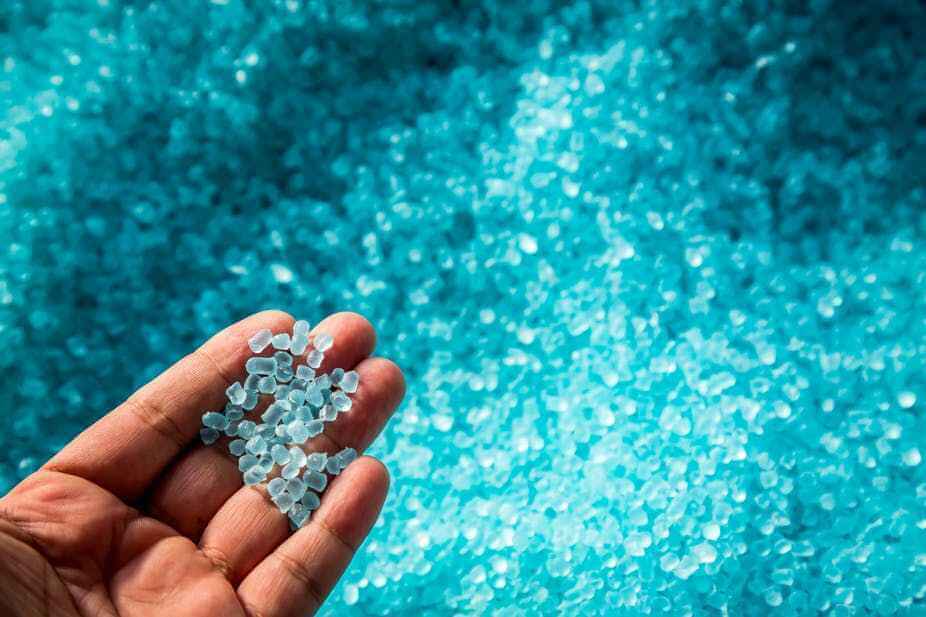
Microplastics are minute plastic fragments that are in the range of less than five millimeters. Some are as small as a grain of sand. The others cannot be seen by the naked eye. At even smaller shrinkages, plastic pieces are commonly referred to as nanoplastics. These particles come in many shapes. Some are smooth and round. There are others which are sharp and uneven. Their size enables them to traverse freely in water, air and the live matter. Plastic does not biodegrade in the actual sense and thus these fragments can last decades. This tenacity is one of the factors that have made microplastics pollution an issue.
2. What Are Nanoplastics?
Nanoplastics are incredibly small plastic particles, ranging from 1 to 1,000 nanometers (= micron) in size or diameter, formed by the degradation of larger plastic items or industrial processes. Unlike microplastics, they are invisible to the naked eye and can penetrate human cells, tissues, and cross the blood-brain barrier. This infographic clearly explains the difference in size between micro- and nanoplastics.
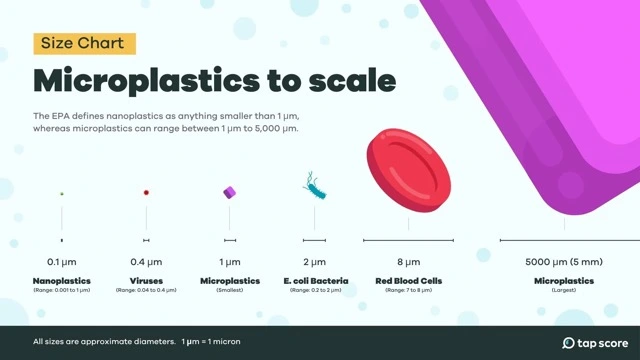
Image credit: tap score
3. Microplastics 101 – Where Do Microplastics Come From?
There are two sources of microplastics, which are primary and secondary.
Primary Microplastics
Primary microplastics are produced in a small size. The examples are microbeads that were previously used in exfoliating cosmetics and industrial plastic pellets that were used in manufacturing.
Secondary Microplastics
The secondary micro plastics are the result of the breakdown of bigger plastic materials with time. This breakdown is brought about by sunlight, heat and friction. Common sources include:
- Food wrapping and plastic bottles
- Synthetic clothing made from polyester or nylon
- Tires on cars that lose their particles as they wear
- Coatings and flaking paints
Together, these sources spread microplastics everywhere, from busy city streets to distant oceans far from human reach.
4. Microplastics in Water and Food Systems
The study of microplastics in water is one of the most researched fields. These particles occur in rivers, lakes, ground water and bottled water. Natural treatments of wastewater plants eliminate few plastic particles, and a great number still enter the natural waterways. Food systems are also affected. Microplastics in food have been detected in seafood, salt, honey, fruits, and vegetables. Marine animals often ingest plastic fragments, which then move up the food chain. Even crops can absorbs microplastics (1) from contaminated soil and irrigation water. This widespread presence makes exposure difficult to avoid.
5. How Microplastics Get into Us
Microplastics (MP, <5 mm) and nanoplastics (NP, <1 µm) enter the human organism primarily through three routes. Each route raises different health concerns.
- Ingestion (Oral Intake through Food and Beverages — Particularly Under Heat)
- Inhalation (Respiratory Exposure)
- Dermal Absorption (Skin Exposure)
There is a 4th pathway, which is Injection via Intravenous (IV) infusions and medical devices which can introduce microplastics directly into the human bloodstream. These often originate from polypropylene bags, tubing, or syringes, but will not be the subject of this article.
Ingestion: Oral Intake Through Food and Drinks
The most common ways of exposure are through eating and drinking, including botted water and tap water. The favorite food example is seafood, but plant-based foods are not spared. The more the food is processed and packaged individually in plastic, the more chances it has to contain microplastics. The issue of food packaging provides another exposure source, particularly to plastic containers heated. Once ingested, some particles pass through the body. Others may remain longer, especially smaller fragments. Studies indicate that such particles have the potential to damage tissues and interact with intestinal bacteria.
Inhalation: Respiratory Exposure Through Airborne Particles
It is indoors and outdoors where airborne microplastics are found. Indoor environments contain measurable levels of airborne microplastics originating from:
- Synthetic textiles
- Carpets and upholstery
- Household dust
- Degrading plastic items
Artificial fabric from clothing and other products sheds fibrous substances when worn and washed. Household dust hides plastic fragments shed by furniture, carpets, rugs, curtains, and even electronics. On inhalation, such particles may be trapped in the respiratory tract. Smaller particles can enter into the deep tissue of the lungs. This route is particularly worrying to individuals residing in cities, large urban centers or those employed in textile and plastic based sectors, including plastic recycling.
Absorption: Exposure Through Dermal Contact (Skin Contact)
Skin contact is a less studied but growing area of interest. Although ingestion and inhalation appear to be primary routes, dermal exposure may occur primarily through contact with micro- and nanoplastics in:
- Personal care products
- Plastic/petroleum-based cosmetic formulations
- Contact with plastic packaging
- Skin contact with synthetic clothing, particularly in close conact with our reproductive organs
- Polluted water
Although the skin is a barrier, the very small particles can penetrate through hair follicles or damaged skin. Further investigation is required but this path cannot be left out.
6. What We Can Do to Reduce Microplastic Exposure
There is no way to prevent microplastics and nanoplastics, but by making informed decisions, they can be minimized. The following are steps that can be put into practice:
Reduce Microplastic Ingestion Exposure
Ingestion – On The Go
- Try to avoid single-use plastic bottles, use a reusable water bottle with a plastic free interior
- Try to avoid takeaway beverage cups and lids, sit it for your coffee, or use a reusable coffee cup with a plastic free interior
- Try to avoid takeaway food containers, use stainless steel or glass containers instead or dine in
Ingestion – Kitchen
- Use tap water and filter it for microplastics and other impurities, as opposed to bottled water made of single-use plastics.
- Avoid heating food in plastic containers. Use inert materials like ceramic or stainless steel.
- Replace plastic food storage containers with stainless steel or glass versions
- Replace plastic kitchen utensils (ladle, flipper etc) with stainless steel versions
- Replace microwaveable plastic containers and covers with glass
- Plastic kitchen appliances that come in contact with hot water or hot food should be replaced for other that are plastic free at least in their food/liquid contact surfaces, i.e. stainless steel (electric kettle, coffee maker, air-fryer, blender / food processor).
- Replace kitchen appliances made with plastic (i.e. coffee makers, air-fryers etc.) with products made of stainless steel
- Replace non-stick cookware with non coated cookware.
- Replace plastic kitchen utensils (ladle, flipper etc) with stainless steel versions
- Replace plastic cutting boards with plastic free boards
- Replace plastic sponges with plastic free sponges
Ingestion – Food
- Reduce consumption of food and drink stored in plastic packaging
- Reduce consumption of canned food. If using canned food, if possible, rinse the content under running water before eating it (i.e. canned corn kernels, beans etc)
- Reduce consumption of highly processed food which are exposed to plastics throughout their production and often also have more plastic packaging
- Reduce consumption of seafood
- Most tea bags are made with plastics and bioplastics. Use loose tea if possible
- Avoid chewing gum if possible
- Switch to certified microplastic-free salt
Ingestion – Baby
- Replace plastic baby feeding equipment, including milk bottles, food containers etc. with glass, ceramic or stainless steel versions
- Replace baby bottle teats, dummies, teething toys etc. with products made of natural latex/rubber (if not allergic to this material)
Related: How To avoid Microplastics in Food: 10 Practical Tips for a Heathier Diet
Reduce Microplastic Inhalation Exposure
- Reduce indoor dust with a vacuum cleaner that uses a HEPA filter
- Open the windows regularly, even in winter, to have fresh air come in
- Filter out small airborne plastic particles with HEPA-grade air filters
- Wash synthetic clothes less often, and use a microfiber filter in your washing machine
- Hanging synthetic clothes to dry prevents the friction-based shedding caused by tumble dryers
- Avoid buying blankets, throws, carpets, rugs, cushions, and other home decor/textiles made of synthetic fibers. Opt for products made with natural fibers
- Avoid plastic furnishings inside and outside of the home, including shower curtains, and plastic outdoor furniture
- Avoid synthetic lawn, which is a source of toxic chemicals and microplastics
Reduce Microplastic Dermal Absorption Exposure
- Use skincare, body lotion, sunscreen, shampoo, conditioner, and other cleansing and skincare products with microplastic free ingredients
- Switch to microplastic free make-up: foundation, mascara, glitter, etc. that also avoid PFAS
- Switch to microplastic free toothbrushes and dental floss that also avoid PFAS
- Switch to microplastic free bath sponges
- Avoid depilatory waxes made of synthetic ingredients applied warm to the skin
- Wear natural fabrics such as cotton, wool or linen, particularly in close contact with your reproductive areas like underwear, bras, socks, leggings, and other tight-fitting activewear
- Sleep in bedding made with organic natural fibers
- Replace toxic cleaning products with microplastic ingredients with plastic-free cleaning products
- Avoid touching thermal paper receipts
- Replace synthetic wet wipes with plastic free wipes (article to be published soon)
- Replace single-use period sanitary products made with plastic, including tampons, sanitary pads with products made of organic cotton
- Boil silicone menstrual cups before use, if possible switch to a plastic free menstrual cup made of latex/natural rubber (If not allergic to this material)
- Reusable period pads and pants have been found to leach PACs toxic chemicals from their absorbency pad – Check the layer composition with the manufacturer
- Disposable nappies and continence products – Check the layer composition with the manufacturer
All big, the pollution of microplastics, including in freshwater and drinking water sources (2) can be minimized by supporting policies that restrict the manufacture of plastics and enhance the management of their waste.
7. What are Plastic-Associated Chemicals (PACs) and How Do They Differ from Microplastics?
Microplastics and plastic-associated chemicals (PACs) are often used interchangeably, but they are not the same. Microplastics refer to the physical particles made of plastics, while PACs are the thousands of chemicals used in, or carried by, plastics. Importantly, microplastics can act as vectors, therefore transporting these chemicals into the human body and the environment.
More than 13,000 chemicals are linked to plastic production, with over 3,200 identified as hazardous due to properties such as endocrine disruption, toxicity, and environmental persistence. Among the most concerning are bisphenols (such as BPA), phthalates used as plasticisers, PFAS often referred to as “forever chemicals”, and flame retardants like PBDEs. These substances can leach out of plastics, contaminating food, air, and ecosystems.
Key groups of concern in this category include:
- Bisphenols (BPA, BPS, BPF etc.): Commonly used in polycarbonate plastics and epoxy resins (e.g. food packaging), these chemicals can disrupt hormonal systems and are linked to infertility, metabolic disorders, and cardiovascular disease.
- Phthalates as Plastizicers (e.g. DEHP, DINP): Added to make plastics flexible (PVC, toys, packaging), they are associated with reproductive harm, including reduced sperm quality and increased miscarriage risk.
- Per- and Polyfluoroalkyl Substances – PFAS: Used for grease- and water-resistant properties in food packaging and coatings. These highly persistent “forever chemicals” accumulate in both the environment and in the human body.
- Flame Retardants (Polybrominated Diethyl Ethers PBDEs): Found in electronics and furniture, these are linked to neurodevelopmental issues in children, including reduced cognitive function.
- Polychlorinated Biphenyls (PCBs): Often present as legacy contaminants, these chemicals remain harmful to human health despite being largely banned.
Evidence on plastic chemicals shows previously invisible, unrecognized harms to human health and children are especially vulnerable. The PlasticHealthAware dashboard funded by Minderoo Foundation as a collaboration with Boston College provides an easily accessible, comprehensive and interactive overview of substantial and concerning evidence that chemicals in plastic, which leach out of products and get into us, are harming our health. The link to the portal is in the references at the bottom of this article.
Why Students and Researchers Are Paying Attention
Microplastics health effects have emerged as an academic issue of concern in particular in health care and environmental science courses. Microplastics now appear in toxicology, epidemiology and patient safety courses taught to nursing students, researchers in the field of public health, and students majoring in environmental studies. Most students find it difficult to relate environmental exposure and clinical outcome particularly in context of new research that changes rapidly. In this regard, availability of effective academic assistance is important. Students with a combination of clinical rotation, lab work and exams tend to seek systematic instruction, peer reviewed literature and straightforward explanations that interrelate theory and practice. That is why many resort to nursing homework help services to improve their grasp of complicated issues like the environmental contaminants, the tools of exposure, and the risks of long-term health. Students who understand the impact of microplastics in the environment on human biology will be well-equipped to judge risk, teach patients, and provide care. Microplastics cease to be simply an environmental problem but a subject of immediate health care education and professional practice.
Conclusion
Microplastics are small yet they have a big impact. Starting with microplastics in water and concluding with fibers in the air, these products find their way through the environment and into our bodies with great ease. The knowledge of microplastics and their health impact will allow individuals, students, and professionals to make wise choices. Although science still works on the discovery of the extent of the risks, action does not need to be delayed. We can limit exposure and protect the health of people and the environment by using less plastic, using greener materials, and supporting systemic change. Microplastics can be a contemporary issue, yet informed choices making is a way to go.
References and Scientific Literature Sources:
(1) https://pmc.ncbi.nlm.nih.gov/articles/PMC7559051/
(2) https://www.researchgate.net/publication/374810857_Microplastics_in_Freshwater_and_Drinking_Water_Sources_Impacts_Detection_and_Removal_Strategies
(3) https://cdn.minderoo.org/assets/new/documents/MF-7-ways-to-reduce-ebook.pdf
(4) https://www.minderoo.org/resources/plastic-health-umbrella-review/
(5) https://plastichealthaware.bc.edu/