Plastic has become an integral part of our daily lives, but most of us hardly think about the consequence of plastic waste. Fossil-fuel based plastic is non-biodegradable and not recyclable, which means it accumulates in the land and waterways and pollutes the environment.
Every year millions of plastic wastes end up in landfills and oceans, destroying the natural habitats of multiple species and causing severe damage to the ecosystem. It is high time we think about avoiding plastics and going for plastic free alternatives to make our lives and environment healthier, cleaner, and more sustainable. This article will discuss ten ways of avoiding plastic in your daily life.
Free Resource: 10 Ways to Go Plastic-Free Infographic
Visual learner?
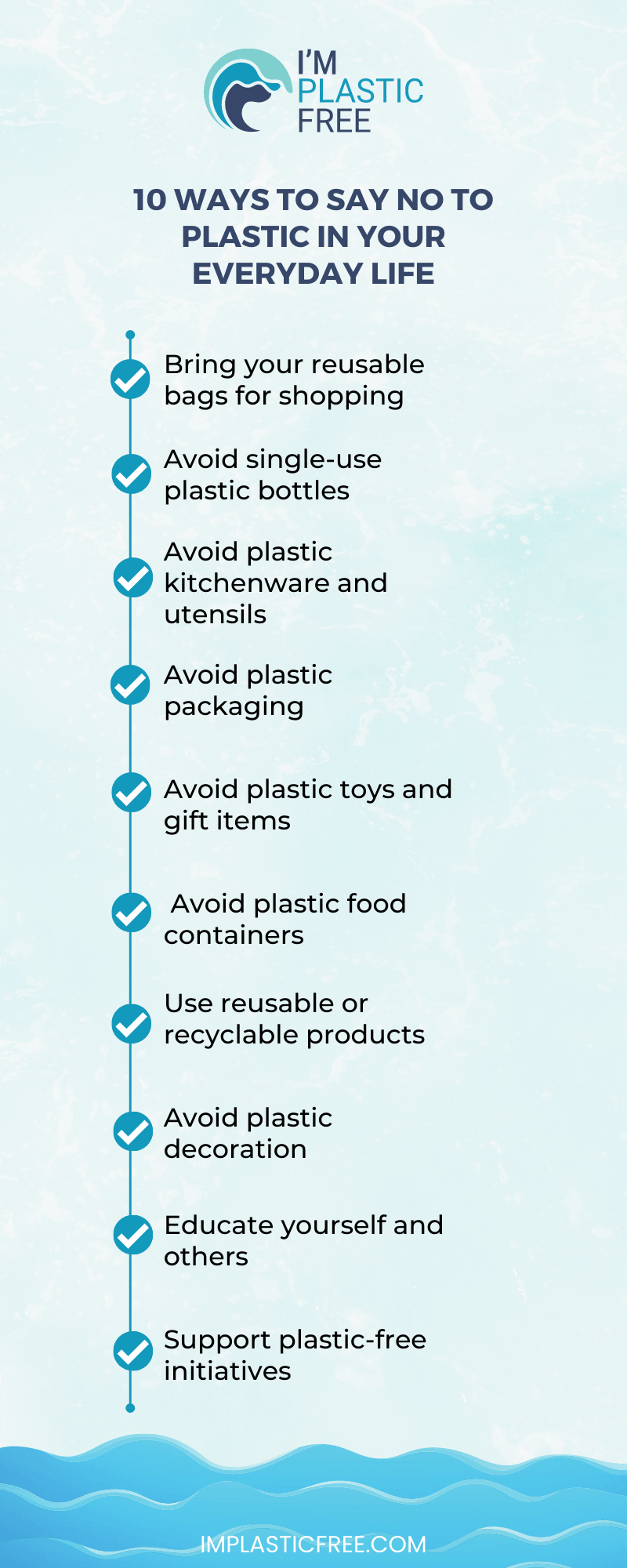
Download our print-ready 10 Ways to Say No to Plastic In Your Everyday Life PDF Infographic to hang on your refrigerator or share with your community.
Download the Infographic (PDF)
1. Reusable Shopping Bags (Ditch Thin-Film Plastics)

Most produce bags provided by grocery stores are made of plastic and are used only once, to be discarded once home. A very good practice is to bring your reusable bags for shopping that can’t be thrown to waste afterwards. This habit has a direct impact on reducing plastic waste. The shopkeepers are bound to stop using plastic carry bags since these have no use. We should all consider it a responsibility to avoid plastic carry bags and make our environment cleaner.
2. Glass or Stainless Steel Reusable Bottles (Avoid Nanoplastics)
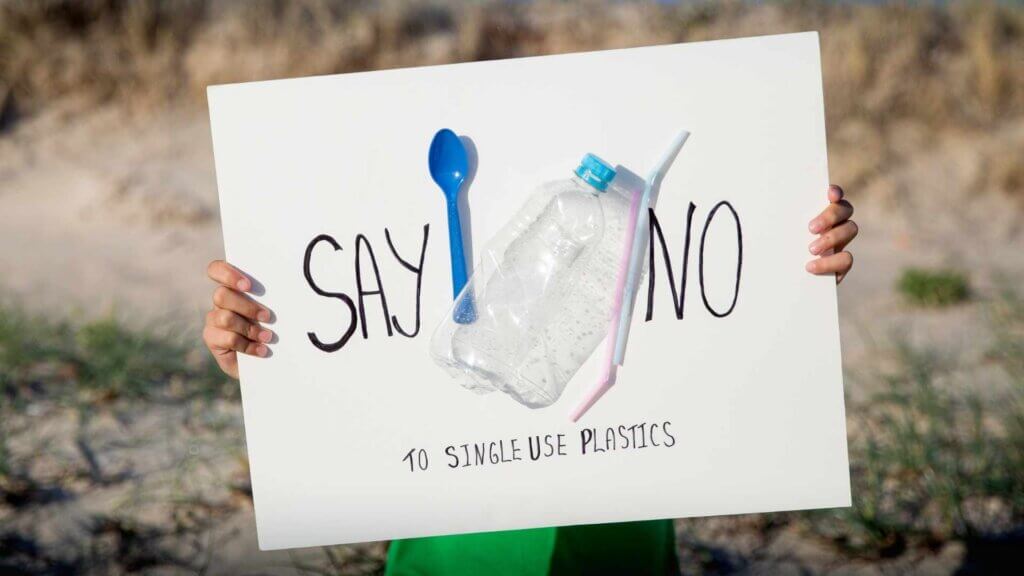
Plastic water bottles are used everywhere for the convenience of storing and use but only add to the garbage after disposal. Furthermore, a 2024 landmark study (1) by researchers at Columbia University published in Proceedings of the National Academy of Sciences, has shown that, on average, a liter of bottled water included about 240,000 microplastics. Therefore avoiding single-use plastic bottles is also a commitment to your health!
The healthier and more eco-friendly option is to use reusable glass, or stainless steel bottles. These small steps would help address the waste issues caused by plenty of single-use plastic bottles discarded every day. When travelling, or exploring national parks and the great outdoors, bringing a durable, reusable water bottle is an excellent way to stay hydrated and minimize your environmental footprint.
A part from plastic bottles, most of the coffee cups we use are also made of non-biodegradable materials that end up as garbage littering the environment or ending up in landfills. It’s better to avoid disposable cups altogether, and carry a reusable coffee cup within your bag or leave it in your car. You’ll have it when you need it.
Related: Microplastic in Water Bottles – How Dangerous is It?
3. Metal Kitchenware & Utensils (Stop Microplastic Shedding)

Avoid using single-use plastic cutlery, straws, and other accessories, which pile up in landfills or choke the waterways with plastic disposables.
At home, replace plastic containers with reusable glass or metal jars and go for products in recyclable and plastic-free packaging. Plastic-free household products can significantly improve your long term health, as they do not release microplastics. Furthermore, stainless steel utensils, foodware with washable options, and reusable glass or metal containers can significantly reduce plastic pollution if used regularly and are remembered to be used.
Related: The Best Plastic-free, Non-Toxic Small Kitchen Appliances That Don’t shed Microplastics
4. Recycled Cardboard or Glass Packaging (Choose Plastic-Free Wraps)
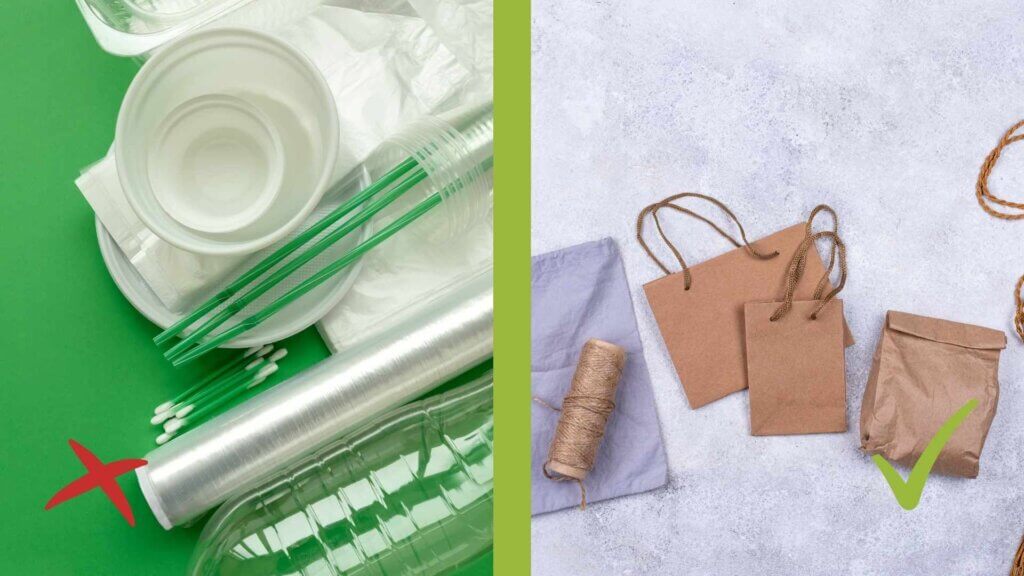
Avoid purchasing products in plastic pouches or plastic wraps and insist on biodegradable and recyclable packaging materials. Many alternative packaging materials are available today with the same qualities as plastic but are much less harmful to the environment.
Use paper bags instead of plastic gift wraps (but only if you’ve forgotten your reusable bag!), avoid consumables packaged in plastic, and opt for products with refill options. Choose products contained in glass bottles or cardboard boxes that are easily recyclable. Most of our daily use items, including consumables, foods, medicines, and personal care products are available in plastic packaging, so we must shift to products with reusable and recyclable packaging.
Related: 7 Creative Ways to Embrace Biodegradable Alternatives to Plastic that Make a Difference
5. Wooden & Natural Cloth Toys (Safe, Non-Toxic Play)
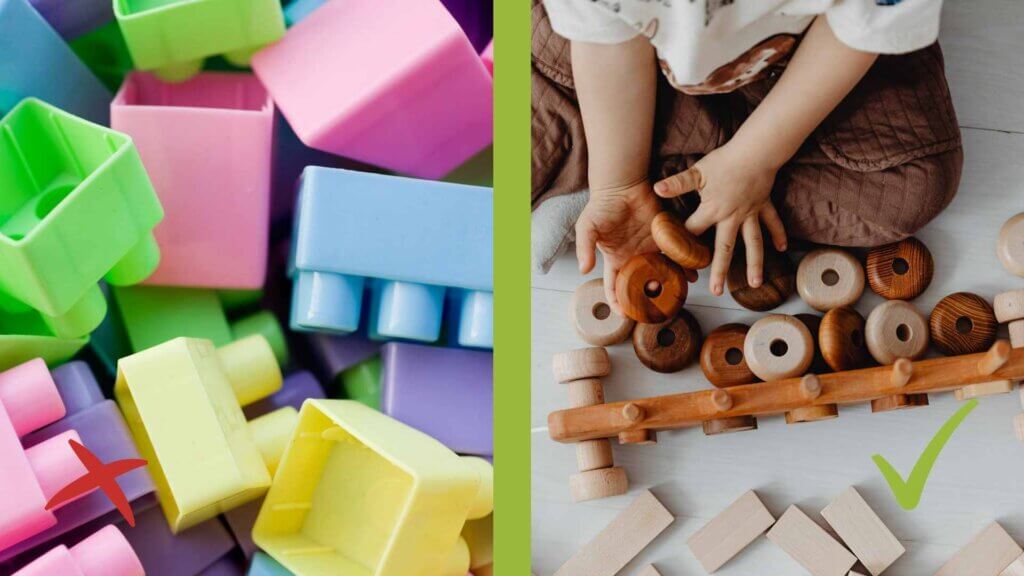
Plastic toys are common for kids but also harm health and the environment. Good alternatives like wooden, rubber, and cloth toys and gift items are available in attractive designs. These items are made of natural material that doesn’t produce any harmful effects. These can be beautifully crafted and designed in various shapes and sizes with attractive looks. The materials are biodegradable, recyclable, and/or compostable, making them eco-friendly toys without plastic.
Related: Plastic Free Toys: Do Eco-Friendly Alternatives to Plastic Toys Exist?
6. Stainless Steel and Glass Food Containers (Avoid Heating Plastic)
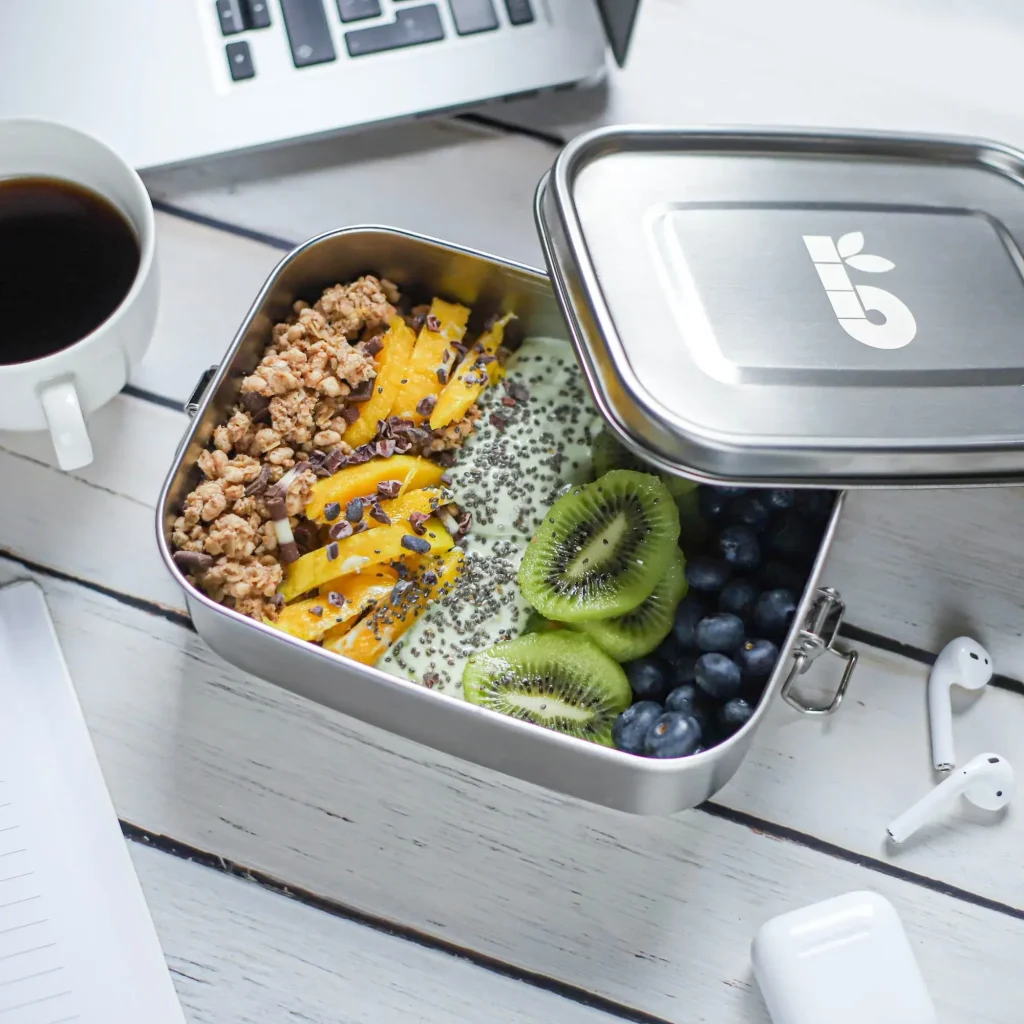
Plastic containers have been used extensively for packing foods, especially for home delivery which is a major source of waste. We should strictly avoid packing foods in plastic containers particularly if the food is hot as this comes with some risks in the long term. Communicate and encourage the supplier or vendor to make delivery of food items in PFAS-free compostable packaging or opt for refill options using your reusable stainless steel or glass containers.
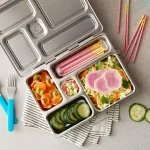
Related: 6 Best Non Toxic Lunch Boxes That Don’t Shed Microplastics
7. Reusable Products and Refillable Packaging (Zero Waste Options)
You can bring some changes in habits by using reusable items instead of single-use plastic materials that would help keep the environment clean with less waste generation. Use more reusable options in your daily routine, like toiletries, kitchenware, travel kit, medicines, food packaging, and domestic products. Branded recyclable items are a good alternative to plastics with certified compostable properties.
Tips:
- Use reusable shopping bags made from sustainable materials like jute
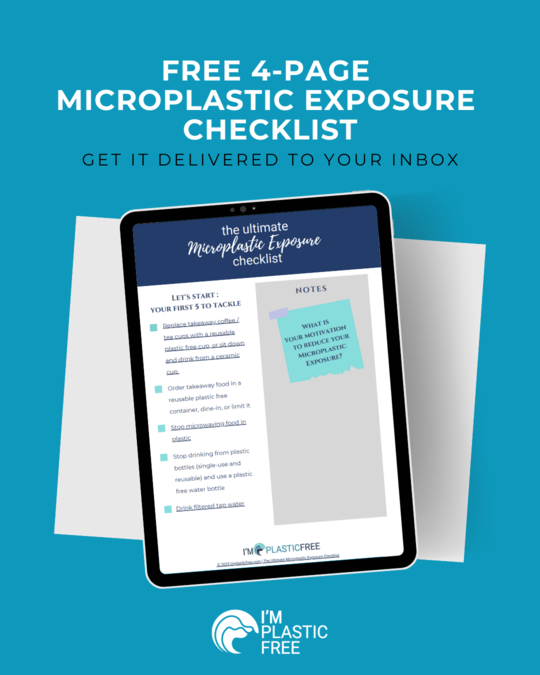
- Make a plan and identify ways to reduce plastics in your everyday life or download our FREE plastic-free living checklist
- Avoid kitchenware made from plastics
- Switch to plastic-free toothpaste in reusable, recyclable jars.
8. Zero-Waste Event Styling (Ditch Plastic Party Decorations)
Decorations are an integral part of any event that uses a lot of plastic and synthetic materials. These are mostly non-reusable and produce a major quantity of litter. Look for vendors who are experts in using beautiful decorating items with home compostable or recyclable materials. Avoid using plastic balloons and use paper-made decorating materials to grace the occasion. The best way to decorate the event is to use natural plants and flowers that improve the aesthetics and looks.
9. Share Open-Access Research (Educate Your Community)
Plastic waste has become a great concern, so there should be more awareness about plastic free, sustainable products that are safer for the planet, as well as for our health. There are different networks and resources available that can effectively be utilized to handle the promotion of plastic free alternatives and their utilities. Some of these resources are produced in the form of essays by students or freelancers, or AI videos, which help expand access to well-researched information. Educating yourself and the community about the negative impact of plastics can be a great impetus to focus people’s attention on avoiding single-use plastics and go for reusable product options.
Related: 45 Catchy No Plastic Slogans
10. Support Plastic Free Initiatives
Businesses are adopting innovative strategies across the value chain to impact the environment and respond to customer expectations positively. You should advocate for businesses that avoid plastics and modify their processes to ensure materials’ effective reuse and recycling. Such changes in business policy and practices will lead to less production and consumption of plastic products, reducing the environmental impact of plastic significantly.
Here are the top things you can do to support plastic free initiatives.
- Buy from businesses that have adopted plastic free packaging and plastic free catering
- Support non-profits advocating for plastic-free dining, such as Plastic Free Restaurants in the United States, or other international initiatives like Plastic Free Places in Australia.
- Buy sustainable and zero-waste products
- Support eco-friendly and ethical brands
Related: 5 Tips for Creating a Plastic Free Catering Event
Conclusion
Increasing plastic pollution is a serious concern for our environment, and we must take some conscious steps to address this problem. We are free to make our lifestyle choices, but should also consider contributing to reducing plastic pollution. Some changes in our habits and lifestyles can significantly reduce the use of plastics and create a huge impact in improving our environment.
—
Browse the I’m Plastic Free directory to discover plastic pollution solutions.