

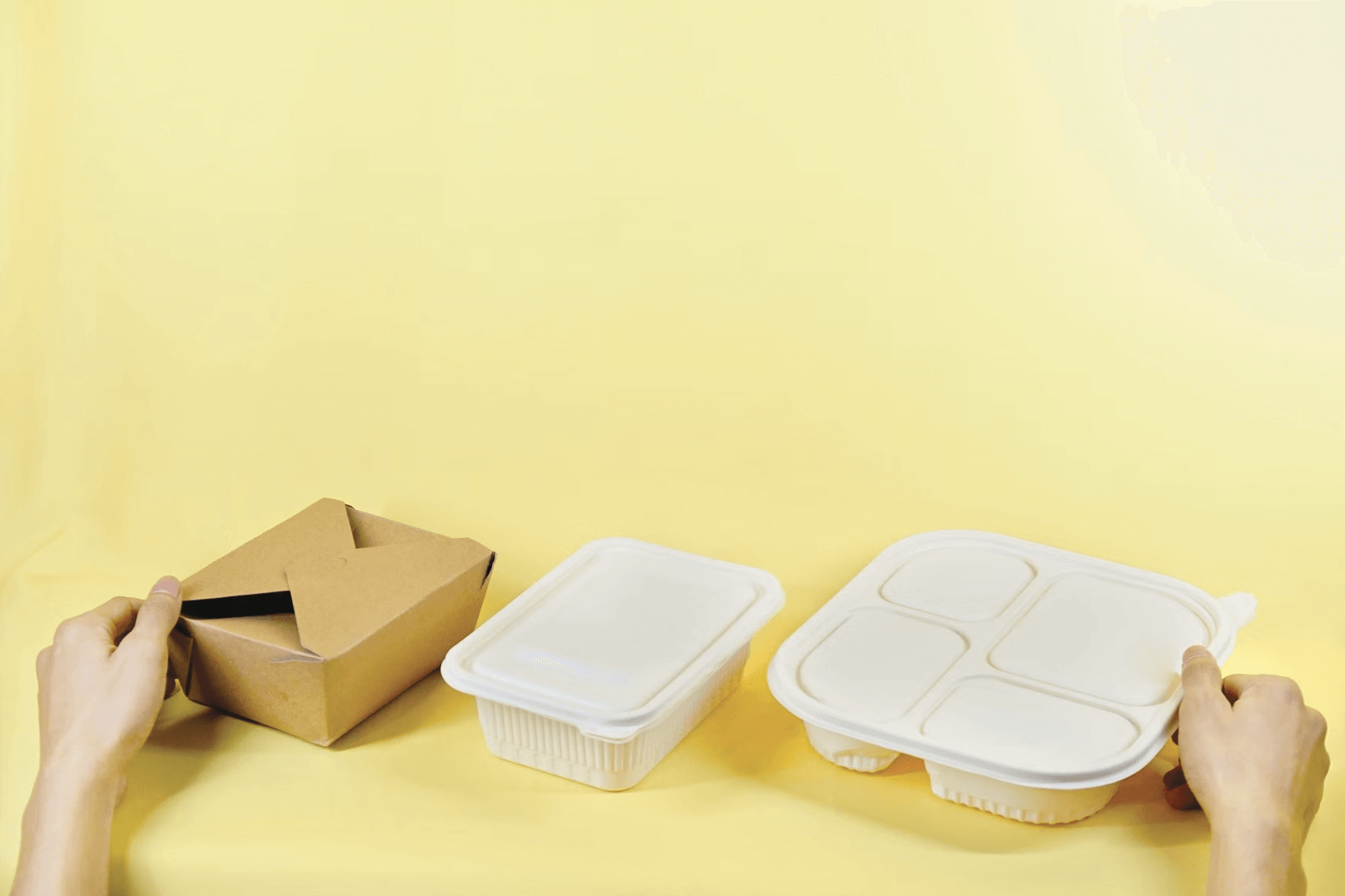
Takeout is a relief on a busy night. It’s also one of the only times you regularly eat food that was cooked, packed, and handed to you in materials you didn’t choose. Most of the time that’s fine, until you start paying attention to what those materials are designed to do.
When people talk about PFAS and takeout, they’re usually reacting to one simple reality: a lot of packaging is engineered to resist grease, steam, and heat. Those performance features can come from coatings, liners, and additives that don’t show up on a label. If you’re trying to reduce “unknowns” in your routine, PFAS-free food packaging is a practical topic because it’s tied to repeat habits: ordering, unpacking, storing, and reheating.
This article isn’t about panic or perfection. It’s about lowering contact time with questionable packaging, spotting the packaging types most likely to be treated for grease resistance, and building a takeout-at-home routine that’s easy to repeat.
What PFAS are and Why They Matter
PFAS is a large group of chemicals that tend to be very persistent. They’ve been used in many applications because they can repel water, oil, and stains. From a packaging standpoint, that “oil resistance” is the key: it helps paper wrappers and paperboard containers stay stiff and clean-looking when they’re holding hot, greasy food.
Regulatory attention is also part of why PFAS comes up so often now; the EPA’s PFAS explainer summarizes why many PFAS break down slowly and why everyday exposure pathways matter when you’re thinking about what to reduce.
On the food side, PFAS has shown up historically in certain food-contact applications, including some grease-proofing uses; in its PFAS Q&A, the FDA explains how some uses were reviewed and why certain market changes happened once safety questions came up.
You don’t need to memorize the chemistry. The practical takeaway is simpler: packaging that performs like “nonstick paper” is the packaging that deserves a second look.
Where PFAS can show up in Takeout Packaging
PFAS isn’t equally likely across all takeout containers. The pattern is mostly about function, specifically, whether the packaging needs to repel grease without falling apart.
- Grease-resistant paper is the classic example. Burger wraps, sandwich sleeves, pastry bags, taco liners, and those thin sheets under fries all exist to keep oil from soaking through. If paper stays crisp and clean while holding oily food, something is making that happen.
- Paperboard bowls and trays can also be worth attention, especially when they’re holding hot liquids or saucy foods. Some are lined with plastic. Some are treated. Some are a mix of fiber plus a barrier layer you can’t see. The consumer problem is that “paper bowl” can mean ten different constructions.
- Molded fiber clamshells (often marketed as compostable) are another common gray area. They look like an eco upgrade, but they’re still expected to resist moisture and grease. That can be achieved in safer ways, but you won’t know which way was used unless the supplier discloses it.
- Plastic containers are a different kind of concern. PFAS isn’t typically the headline there; heat and food contact time are. A plastic clamshell is convenient for transport, but reheating in it is where the “easy” choice starts to matter.
If you want a simple shortcut: the more a paper-based item behaves like it has an invisible raincoat, the more you should treat it as a transport-only surface.
What PFAS-free Packaging really means
In the real world, “PFAS-free” usually points to one of two things: either the packaging doesn’t use fluorinated chemistry to achieve grease resistance, or the supplier is making a claim they can support with documentation.
As a consumer, you’re rarely going to get lab reports from your favorite restaurant. So the goal isn’t to verify every wrapper. The goal is to make better default choices and reduce contact time where you can’t verify.
Plain, uncoated materials are often a good sign, even if they’re less photogenic. A wrapper that shows some oil staining might be annoying, but it can also mean the paper isn’t engineered to repel grease through specialty treatments. “Perfectly clean paper” is not automatically a win from a materials standpoint.
The bigger signal is the quality of disclosure. If a supplier can clearly describe what the barrier is—lined, coated, or additive-based—and can name a PFAS policy without hand-waving, you’re in a better place. When you’re comparing packaging suppliers, a clearly written sustainability page with targets and plain-language updates usually shows the kind of documentation discipline you’ll want when you ask about PFAS policies.
Even without a test report, that documentation discipline usually predicts how cleanly a supplier answers PFAS questions.
Common Takeout Containers and What to watch for
Instead of trying to “spot PFAS” by feel (you can’t reliably), it helps to think about what the container is trying to do and what tradeoff it’s built for.
- Grease-resistant wraps and liners are built to keep hands, bags, and car seats clean. They’re the first place many people focus because they’re designed to repel oil. If you’re ordering fried foods or burgers, this is where a “transfer fast” habit matters most.
- Paperboard bowls and trays are built for saucy foods and hot liquids. When they hold up unusually well—especially with a glossy interior—that’s often a clue there’s a barrier layer doing the work. Even when the bowl is marketed as “eco,” don’t assume you know the barrier chemistry unless it’s stated clearly.
- Molded fiber clamshells are built to look compostable and still perform like plastic. Some do that with safer coatings; some do it with vague “proprietary” treatments. Treat them as transport containers unless you have a reason to trust the supplier’s specifics.
- Plastic clamshells and black trays are built for durability and low cost. The main practical issue is how often they become the reheating container. If your routine turns “takeout container” into “microwave dish,” you’re extending hot-food contact time in a way that’s easy to avoid.
- Foil containers are a separate category. They’re common for baked dishes and hold heat well. They’re not usually where PFAS concerns live, but they’re still not ideal for long storage once the food is home, mostly because the easiest habit is also the stickiest one: leaving food where it landed.
- Pizza boxes are mixed. Sometimes they’re plain corrugated cardboard. Sometimes there are liners or inserts. The more add-ons you see designed to manage grease, the more it fits the general “performance materials deserve questions” rule.
This isn’t meant to make takeout complicated. It’s meant to help you make the same two or three decisions every time, so you’re not reinventing the wheel when you’re hungry.
Related: Paper Packaging Alternatives: 10 Ways to Replace Plastic in Food & Retail
Transfer Food out of the Packaging fast
If you do one thing differently after reading this, make it this: packaging is for transport, not storage.
Steam, heat, and time change the game. Hot food creates moisture, fats move, sauces spread, and whatever barrier chemistry exists in a container is doing its job under warm, wet conditions. The easy improvement is to shorten that contact time.
When the food arrives, plate it. If it’s family-style, move it to a serving dish. If it’s soup, pour it into your own bowl. If it’s pizza, slide slices onto a cutting board. You can still eat takeout straight away—just off your own surfaces.
If you want this to feel effortless, set your kitchen up for it. Keep a couple of glass containers accessible. Make sure you have one large bowl that fits most takeout portions. The goal is to make “transfer fast” the default, not a special project.
That one habit also reduces your dependence on perfect packaging. Even if a restaurant’s container is a question mark, your food doesn’t have to live in it for hours.
Reheat Food in your own Dishes
Reheating is where convenience often overrides good intentions. If you’re tired, the container is right there, and it seems “food-safe,” it’s tempting to toss it straight into the microwave.
A safer default is to reheat in glass or ceramic, or on the stovetop in your own pan. It’s not dramatic. It’s just a consistent boundary: the takeout container got your meal home, and now your kitchen takes over.
This is especially relevant with plastic containers, where heat can be a bigger practical concern than the original packaging choice. It also applies to paper bowls and molded fiber containers that may not be intended for reheating even if they look sturdy.
The same tradeoffs show up in plastic-free packaging ideas when you’re deciding what’s fine for transport versus what you’d rather use for storage at home.
Related: Why You Should Switch To Plastic-Free Microwave Food Covers
Compostable doesn’t always mean PFAS-free
Compostable packaging can be a good direction, but it doesn’t guarantee PFAS-free food packaging. “Compostable” mainly speaks to end-of-life under specific conditions. It does not automatically tell you what barrier strategy the product uses to resist grease and moisture.
This is where a lot of people get stuck. A container can look like the “right” choice and still be built for performance first, with unclear chemistry behind the scenes. “Plant-based” can be true while still leaving the barrier question unanswered. “Eco” can be a design language, not a material disclosure.
A practical move here is to treat compostable-looking clamshells the same way you treat any unknown container: transport-only, then transfer. That way you don’t have to win a documentation battle on a weeknight.
You see the same ‘barrier vs. transparency’ tradeoff in packaging materials used instead of shrink film, where ‘protection’ often comes down to coatings and liners.

How to check Packaging Claims quickly
Most people don’t want to become packaging experts. You just want to make smarter decisions with the time you have. The simplest vetting approach is to focus on specificity and consistency.
Specificity means you’re looking for the “what,” not just the “feel.” A credible claim usually tells you what the barrier is and what’s excluded. Vague language like “eco-friendly coating” doesn’t help because it could describe many things. A better claim describes construction and has a clear PFAS stance.
Consistency means you’re choosing suppliers (or restaurants) that behave the same way across topics: they can answer questions, they don’t dodge details, and they can point to a written policy without acting like you’re asking for something unreasonable.
If you’re a consumer, this might show up as a quick question to a favorite restaurant: “Do you know whether your paper bowls and wraps are PFAS-free or fluorine-free?” It’s direct, it’s not accusatory, and it’s something they can forward to a supplier.
If you’re a small business choosing packaging, that same question becomes part of procurement. You’re not just buying containers—you’re buying the supplier’s willingness to document what they sell you.
Related: Sustainable Packaging Materials to Use Instead of Shrink Film
How to ask Restaurants about their Packaging
If you’re ordering from the same places often, you’ll get better results with one clear question asked politely over time than with a long message sent once.
Try: “Do you know what your paper bowls are lined with?” or “Does your packaging supplier have a PFAS-free policy for grease-resistant paper?” These questions are specific enough that a manager can forward them to whoever orders supplies.
If the answer is “We don’t know,” that’s not a dead end. The next step is whether they’re willing to check. Over time, you’ll see which restaurants treat packaging as part of product quality and which treat it as an afterthought.
That ‘protect the product’ logic also shows up in eco-friendly blister packaging, where durability goals can introduce new material constraints.
Related: 5 Edible Cutlery Brands for Incredible Eats and Drinks On-the-go Without Plastic!
Safer Takeout at Home: the Key Habits
You don’t need to quit takeout to make it safer. The biggest wins are behavioral: transfer food out of the container quickly, store leftovers in your own containers, and reheat on surfaces you trust. From there, you can refine your choices by noticing which paper-based packaging is designed to be grease-proof and by favoring restaurants and suppliers that can answer straightforward questions.
PFAS-free food packaging is a helpful goal, but it works best when it’s paired with repeatable habits that reduce contact time even when you can’t verify every detail. Over a month of weeknights, those small defaults add up—and they’re doable without turning dinner into a research assignment.






Add a comment