Watched The Plastic Detox? Your Guide to Reducing Microplastics Exposure
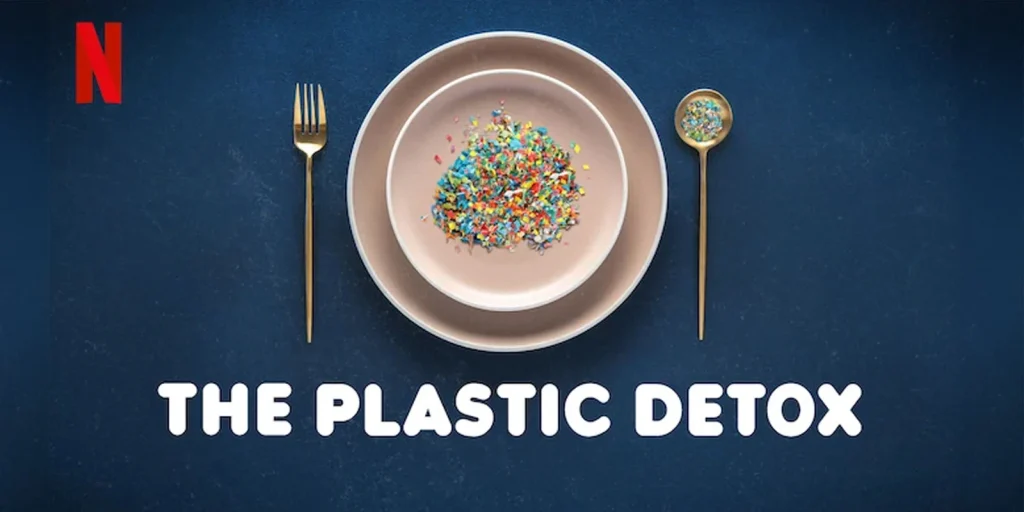
Who else has watched The Plastic Detox documentary on Netflix since its release?
I had teary eyes watching it. I couldn’t believe what I was seeing on the largest subscription streaming platforms in the world. Since 2018, I’ve been educating consumers about microplastics (MP) and plastic-associated chemicals (PACs) in everyday products and what alternatives are available. Back then, it felt like a fringe topic. But coming from a decade in MedTech, I was reading the peer-reviewed research and knew it was only a matter of time before it reached mainstream awareness. That global awareness has finally arrived. The power of Netflix!
What is The Plastic Detox Movie About?
The Plastic Detox is a powerful documentary exposing the hidden health risks of plastics in our homes. As six couples commit to removing plastic from their homes, the experience transforms their families in lasting ways. The documentary uncovers what microplastics are, how their associated chemicals affect our bodies, and what practical steps individuals can take to regain control over their health.
Linking plastic exposure to hormone disruption, a global rise in fertility challenges, increasing cancer rates, and early occurrences of heart disease and stroke, the film presents compelling scientific evidence of plastic’s far-reaching impact on human health.
Created by an Academy Award®-winning production team, The Plastic Detox brings together expert insights from leading scientists, like Prof. Dr. Shanna Swan, who has been studying the effects of phthalates and other endocrine-disrupting chemicals for over 20 years.
Combining scientific insight with personal stories, the film shows how simple changes can help us take control of our health—and rethink our relationship with plastic.
4 Key Takeaways from the Documentary
Here are some key takeways after watching the movie:
1. Plastics Exposure Finally Announced as a Human Health Crisis Starting from our Homes
Plastic pollution is usually portrayed as a global issue affecting oceans, landfills, and complex supply chains. The Plastic Detox, however, shifts the focus to what’s happening within our own homes.
Plastic exposure isn’t only an environmental issue any longer, it is also a human health crisis, as it has direct impacts on our hormonal system, and the overall wellbeing, in particular our fertility.
2. Plastic-associated Chemicals interfere with Fertility & Broader Health Outcomes
Much of the conversation in mass media focuses on micro- and nanoplastics (MNPs), but in science, there is a clear distinction between plastic particles and plastic-associated chemicals (PACs) used as additives (phthalates, bisphenols, flame retardants, PFAS, PCBs). The documentary focuses mainly on two of these plastic-associated chemicals: phthalates and bisphenols (BPA, PBS, BPF, etc), which are known to interfere with fertility and broader health outcomes.
3. Stronger Scientific Evidence on Plastic-associated Chemicals Exists
Both the physical micro- and nanoplastics as well as the associated chemicals can enter the human body. Importantly, the first group can also act as carriers for plastic associated chemicals. For many plastic-associated chemicals, stronger scientific evidence already exists, and they can be monitored through blood and urine tests. This is the reason why the documentary focuses primarily on these chemicals.
4. Small Shifts Do Matter
You don’t have to overhaul everything; making a handful of strategic swaps can meaningfully lower exposure, as shown in the documentary. Consistent, practical changes, even small ones, can produce noticeable benefits for your body.
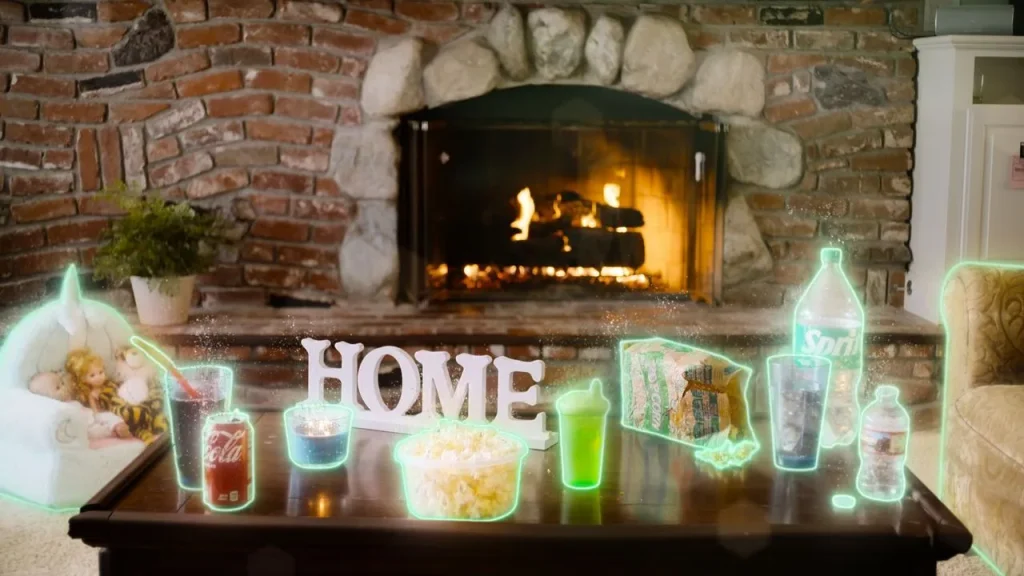
Image Credit: Netflix / The Plastic Detox
My Personal View about The Documentary
What I loved most about the documentary is how accessible and engaging Prof. Shanna Swan is, and that the intervention showed a reduction in phthalate exposure in many participants. I listened to a podcast interview of Dr. Swan by Joe Rogan years ago, and I had wondered why the findings of her research were not going mainstream. Well, it was just a matter of time.
While more research is needed, it’s a strong reminder that the precautionary principle still matters, and of how much our environment shapes our health, often in ways we’re only beginning to understand.
It also reinforces why the work behind I’m Plastic Free is so important… and the over 150 articles we have written are getting noticed by seeing the current spike in users.
How To Detox Plastic from the Body
Well, I’m Plastic Free exists to help you detox plastic from your body!
We’ve built a global consumer platform exactly for this, so as to have non-toxic plastic alternatives in a one-stop shop. Simply input the product you’re looking to replace into our database and you’ll find a replacement.
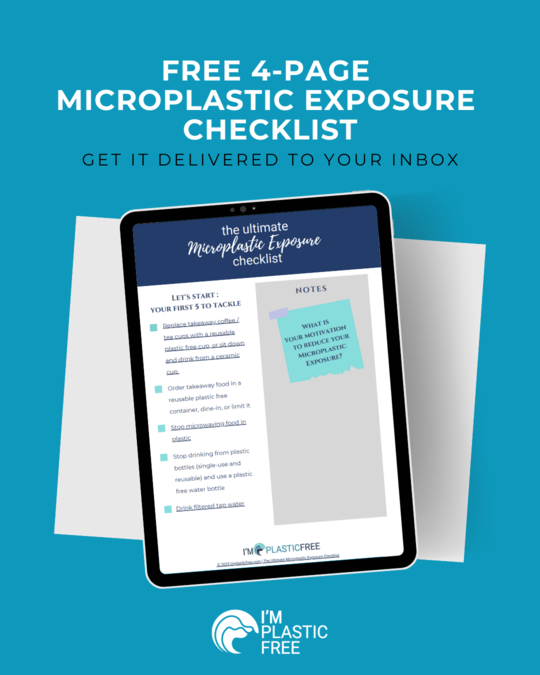
We have written a guide on microplastics and how you can reduce your exposure. Find the link here below. Last but not least, we have compiled two free checklists to help you swap items and limit your exposure
Related: Microplastics 101: What Are Microplastics & How to Reduce Exposure
Learn About the Microplastic Exposure Pathways
We have compiled website sections and sorted our product guides by exposure pathways to help the readers understand how microplastic particles and chemicals enter our body.
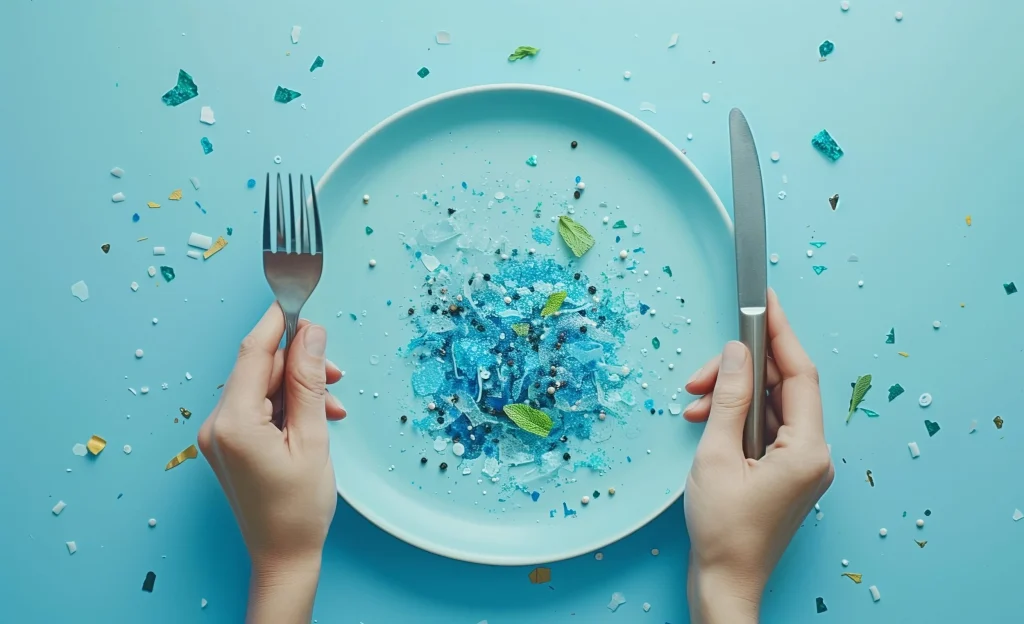
1. Reduce Your Microplastics Exposure: Ingestion
2. Reduce Your Microplastics Exposure: Inhalation
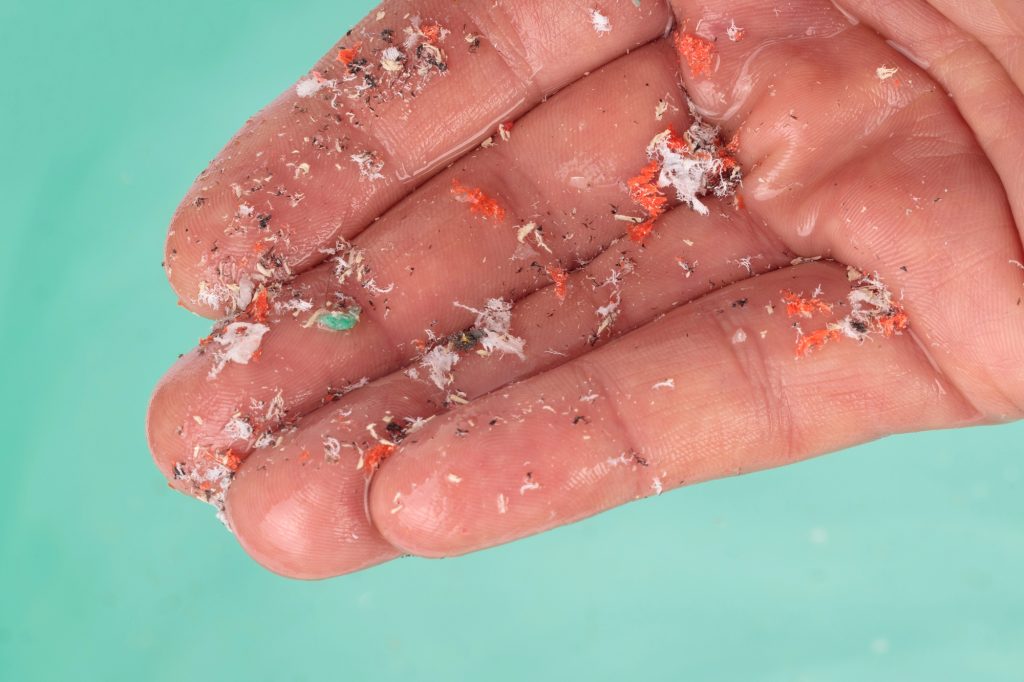
3. Reduce Your Microplastics Exposure: Dermal Absoprtion

FAQs about The Plastic Detox
– Where Can I watch The Plastic Detox?
It’s streaming on Netflix, and will only be available on Netflix. Click the image to watch the documentary.
– Where Can I Watch The Plastic Detox Official Trailer?
The official trailer is available on YouTube. Click the enbedded image here below.
– Which Key Chemicals in Plastics are highlighted in The Plastic Detox?
The Plastic Detox sheds light on endocrine-disrupting chemicals, emphasizing phthalates commonly used in soft plastics like toys, food packaging etc., and bisphenols (BPA, BPS, BPF) common used in rigid plastics like baby bottles, water bottles etc. It also highlights the presence of PFAS in fabrics, as well as microplastics and chemical dyes frequently found in everyday household products.
Conclusion
Short and sweet: if you haven’t watched The Plastic Detox yet, I highly recommend adding it to your “must watch” list.