4 Reasons to Choose Plastic Free, All Natural Fibres Over Synthetic Fibres
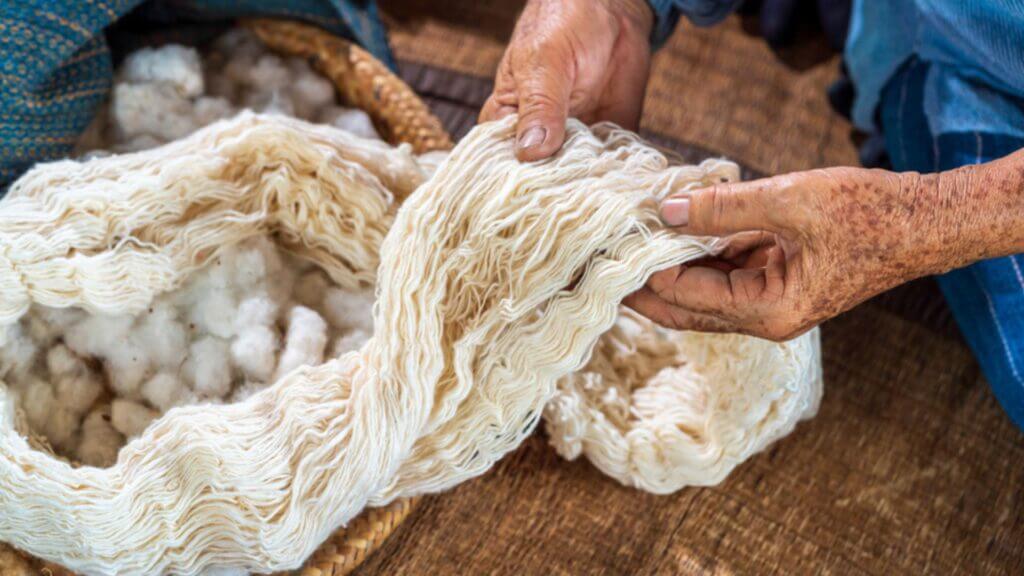
One of the biggest problems our planet is facing is caused by the choices we all make when buying our clothes. Manufacturers give our fabrics trade names, so even when we look at the fibre content label inside our clothing, it isn’t clear that it is made from plastic. Buying clothing that is made from natural fibres is the fastest and safest way to save our planet.
The Benefits of Natural Fibres
1. Natural Fibres are Durable and not so Expensive in the Long Run
So, you think natural fibres are expensive, right? But what price are you willing to put on your health, your family’s health and the future of the entire planet?
Also, if you think about the cost per wear, buying high-quality clothing made with natural fibres that can withstand the fashion trends is lighter on your wallet than synthetic cheap clothing that is thrown away after one season, or even worse, after one wear. The key is to buy high-quality items that will stay in your wardrobe for a long time, possibly forever.
Related: Things You Need To Know About Eco-Friendly Jewelry
2. Natural Fibres are Hypoallergenic and have Anti-bacterial Properties
For those of you who have sensitive skin natural fibres will be more comfortable to wear they are mostly hypoallergenic and have anti-bacterial properties allowing your skin to breathe naturally and reducing the risk of sweating and the build-up of bacteria. For example, underwear or any type of clothing in direct contact with the skin, should be made exclusively of fibres like 100% organic cotton, hemp, etc. which let your skin breathe easily and can be composted at the end of their life. Non-toxic bedding should be made also from such materials, since you spend eight hours every night in direct contact with your bed linen and sheets.
Natural fibres require less washing often if not dirty odours will disappear if the clothing is hung up overnight in the fresh air. This again, will save you money in the long run and will benefit the environment (i.e. energy savings as well as saving on laundry powder).
Related: Sustainable Fashion: Does It Exist?
3. Natural Fibres are Biodegradable, Compostable and Fire Resistant
Natural fibres are biodegradable which means they will decompose naturally when they reach the end of their life unlike synthetic materials. Clothing made with natural fibres can be placed in the compost bin at the end of their very long life cycle if not used as a rag.
Natural fibres are fire resistant and on burning will not produce poisonous gases. Have you ever ruined one of your shirts because the iron was set too high and melted the fibres, leaving a hole in your shirt? Well, this is a strong reminder that that shirt was made using fossil fuels. Choosing a printed shirt made from natural fibres can help prevent such damage and ensures durability.
Have you ever noticed on labels, particularly on children’s synthetic clothing like pyjamas, etc. the warning that says “Caution – Keep away from heat and flame”? That is another strong reminder that those fibres are not fire resistant and that are dangerous next to a flame.
Related: 5 Organic Non Toxic Blankets and Throws in Super Soft Natural Fibers
4. Using Natural Fibres Reduces Ocean Pollution
Using natural fibres reduces ocean pollution, every time you place synthetic clothing in your washing machine it releases thousands of microplastics into the water system contributing to the killing of wildlife in our oceans. Some of the fibres that release the highest amount of microplastics in every wash are acrylics, polyester, or polyester blends that come from plastic clothing.
The list below of natural fibres will help you when making a clothing purchase. Remember to look in the label for the fibre content.
Every decision you make will make a difference to the planet. Organically grown natural fibres are always a better choice and worth the investment.
Natural plant fibres include:
- Cotton
- Hemp
- Linen
- Bamboo
Natural animal fibres which don’t harm the animal are mainly:
- Sheep’s wool and
- Alpaca wool
There are other animal fibres which are good because they naturally biodegrade but not so good when the fibre is removed from the animal, therefore we won’t list them here.
This article was initially written by Julie Torrance
—
To find clothing made with natural fibres, explore the range of plastic free apparel brands in our directory.