In the fast-paced world we live in, a good night’s sleep is more crucial than ever. As awareness grows about the impact of our choices on the environment and our health, the demand for organic bedding is on the rise. This comprehensive guide explores everything you need to know about ethical bedding, from the benefits of organic cotton, French linen to hemp etc. Whether you’re a conscious consumer looking to make sustainable choices or someone simply in search of a healthier sleep environment, this article is your go-to resource.
Potential Health Risks Associated with Traditional Synthetic Home Bedding Materials
The presence of toxic chemicals in conventional bedclothes or bed linen can have adverse effects on your health. From respiratory issues (1), i.e. related to asthma and wheeze (2) through synthetic pillows and blankets used by children, to skin irritation (3), to allergies caused by textiles (4), the consequences are numerous, so are the studies that report about these conditions and we’ve linked quite a few here as a proof.
Have you ever slept in a bed made of polyester sheets?
We have tried them, and we found that they are incredibly hot and uncomfortable, as this material doesn’t breathe, and doesn’t help regulate our body temperature, especially during sleep. The fabric doesn’t feel good on the skin, and it doesn’t absorb moisture, so we would usually end up waking up soaked in sweat…
Choosing natural and organic bedding products is a step towards eliminating these risks and creating a healthier sleep environment. Identifying the best non toxic bedding involves scrutinizing materials and certifications. Look for labels such as MADE SAFE, which ensures that products are free from harmful chemicals.
Switching to natural materials for your bedding can significantly improve your sleep. These materials reduce your exposure to irritants, allow for better airflow, and keep you comfortable all night. Even small changes, like choosing organic sheets, can have a big impact because they feel softer against your skin. A natural pillow can also help you sleep more soundly. For an extra layer of comfort, a high-quality mattress protector can help regulate your temperature and create a barrier between you and any synthetic materials in your mattress.
4 Toxins Hidden in Conventional Bed Sheets (And How to Spot Them)
1. Synthetic Fibers
Synthetic fibers are made from non-renewable raw materials such as petroleum and are based on chemicals or petrochemicals during production. Here is a list of some of the most common man-made fibers:
- Polyester
- Nylon
- Acrylic
- Spandex (also called elastane, and also known under the brand name Lycra)
- Rayon
- Microfiber
- Fleece
Don’t be fooled by words like “cotton blend” – when you see blend, it usually means blended with synthetic fibers, hence why the price is cheaper.
Don’t be fooled by marketing claims like “microfiber sheets are soft” or “soft fleece” etc. Yes, these materials are soft to the touch because the fibers are incredibly thin and short, with a diameter of less than 10 micrometers, however, they’re still produced with nasty chemicals and shed microplastics in every load of wash.
Therefore, don’t be attracted by the “softness” of the fabric, instead check the labels to see the materials the fabric is made of!
2. Flame Retardants
Flame retardants are a group of chemicals that are added to textiles to prevent or delay the spread of fire. The most common name is Polybrominated Diphenyl Ethers (PBDEs) which are added to products so they won’t catch fire or burn so easily if they are exposed to flame or high heat. However, these substances are toxic and linked to cancer and endocrine disruption (5).
3. Formaldehyde
This toxic chemical is unfortunately still used in the textile industry as a coating in the finishing step to reduce the formation of wrinkles in fabrics. Therefore, be careful of marketing claims like “wrinkle-free”, “easy care”, “soft finish”, “no iron” etc. This report (on page 36) shows the specific “Results of Formaldehyde Tests for a Sample of Clothing and Bed Linens Sold in the United States (6)”. Considering that in general the standard limits (7) are less than 30 ppm (parts per million) for babies, toddlers, and people with sensitive skin, less than 100 ppm for clothing that touches the skin, and less than 300 ppm for outerwear, those results show that those limits are often surpassed.
4. VOCs
VOCs stand for Volatile Organic Compounds and are chemical compounds that have a high vapor pressure and low water solubility. They are often used in mattresses that contain polyfoam or memory foam and if inhaled for several hours are known to cause eye, nose, throat irritation, headaches etc. and these substances are known to be carcinogenic in the long run. To minimise your exposure and find a “green mattress”, look for manufacturers that have environmental certifications.
Is Synthetic Bedding Safe? Health Risks of Polyester Sheets and Microplastics
On top of the human health aspect, there is the environmental impact to consider. Synthetic fibers do not biodegrade, which means your home bed linen will stay in the environment forever. Furthermore, 700,000 microplastic fibers (8) are shed with every average wash load of 6 kg, with polyester fleece fabrics shedding the greatest amounts, and a report “Primary Microplastics in the Oceans (9)” states that textiles & clothing are the primary source of microplastics with 35%, followed by tires with 28%.
In fact, have you ever noticed that synthetic fabric breaks down over time creating little fuzz balls on top of sheets or other clothing giving them a rough feel and making them look like they are very old? This is called pilling, and it’s basically the shedding of microplastics! We have made a video here below about some cotton/polyester sheets we were gifted, after only one year, they were ruined and you could see the microplastic fibers shedding! Sorry about the video quality, we hope it still gives the idea of what pilling is!
All this already should be one of the reasons to switch to sustainable bedding and avoid microfiber pollution which is an invisible but horrible threat for humanity. Switch to plastic free bed sheets and blankets, and even clothing like compostable underwear, leggings etc. for your health and the health of our planet!
Source: our own testing of synthetic bedding shedding microplastics.
Related: 8 Non-Toxic Leggings for a Microplastic Free Workout
Non-Toxic Bedding: Sustainable Material Options
While organic cotton remains a popular choice, exploring alternatives like linen and hemp sheets opens up a world of possibilities. Comparing these materials allows you to make an informed decision based on your preferences and values. Whether you prefer the softness of organic cotton, the breathability of linen, or the sustainability of hemp, the non toxic bedding brands in this overview offer an option that suits your unique needs.
GOTS Certified Organic cotton / Recycled Cotton
One of the key certifications to look for when choosing organic bedding is the Global Organic Textile Standard (GOTS). By choosing GOTS-certified organic cotton bedding you ensure that the entire production chain, from harvesting raw materials to the final product meets stringent criteria for environmental and social responsibility. By choosing organic bedding, you contribute to a more sustainable and ethical industry while enjoying the benefits of a naturally sourced sleep experience.
The journey from organic farming to your bed involves meticulous care for the environment and the well-being of workers. The GOTS organic certification guarantees that the cotton used is free from harmful chemicals, promoting soil health and biodiversity. Not only does organic Pima or Egyptian cotton contribute to sustainable farming practices, but it also ensures that your organic cotton sheets are free from the residues of toxic pesticides in conventional cotton. This translates to a safer and healthier sleep environment for you and your loved ones. Understanding this process empowers you to make informed choices that align with your values. However, certifications are available for the raw fiber, the fabric or the end product. Only if he certification is for the end product you’re sure that that product has been independently certified.
Another sustainable option is recycled cotton bedding / sheets sets, as the production and processing of cotton uses a large amount of water and this crop is one of the largest users of water among all agricultural commodities.
Linen
Linen sheets are celebrated for their breathability and durability, providing a luxurious feel with a rustic charm. Linen, which is made from the flax plant, is also considered to be one of the cleanest fabrics of all, as it contains both antiseptic and antibacterial properties that work to prevent the growth of bacteria. In fact, in the past, hospital sheets used to use linen fabric because it was widely known to be the best for healing and protection against infections. It’s no coincidence that the word “linens” has become synonymous with cloth items for the home, such as sheets, tablecloths etc.
Hemp
Hemp sheets, on the other hand, are gaining traction for their eco-friendly cultivation. Hemp crop grows fast and requires only around half the water it takes to grow the equivalent amount of cotton fibre, plus it has hypoallergenic properties. Hemp fabric is naturally anti-bacterial, anti-microbial, and has anti-odor properties. The fabric is super comfortable, breathable, and gets softer with every wash.
Wool
Cruelty-free wool is also a great natural fiber for both bedding and sleepwear (unless you’re vegan) because it regulates the body’s temperature, it is hypoallergenic so doesn’t allow dust mites and bed mites to flourish. It has a natural resistance to fungi and mould, so if you suffer from allergies or breathing conditions, using wool bedding can help you sleep better throughout the night. This is the reason why this material has been used by humans for centuries to keep warm.
The Truth About Bamboo and Eucalyptus Sheets: Are They Actually Sustainable?
These materials have grown in popularity over the years, however, we’ve decided not to list brands of even organic bamboo sheets and eucalyptus sheets (which are Tencel Lyocell / Modal) because we think these terms are misleading for the consumer. Those products are semi-synthetic fabrics made from rayon or viscose fibers that were manufactured using cellulose found in bamboo, or using cellulose from Eucalyptus wood as in the case of TENCEL™ Lyocell, using FSC & PEFC-certified pulp. The claim is also that the end product is cooler than cotton.
The fibers are soaked in a solvent solution that is supposedly not harmful but is needed to wash them and spin them into yarns that can be woven into fabric. However, while production of such fibers might be sustainable, the transformation of such fibers into fabric and their dyeing process can use very harsh, and even toxic, chemicals and processes used in conventional fabric making. Overall, they are more sustainable than polyester sheets and they are not made with fossil fuels, but we think that these materials are best used where there is no natural alternative like in sportswear and that companies should call them with their real names.
Related: 4 Reasons to Choose Plastic Free, All Natural Fibers Over Synthetic Fibers
9 Best Non Toxic Bedding Brands That Use Only Natural Fibers
From organic comforters, cotton duvet covers to linen bedding, various options align with your budget and values. Explore the ethos of these eco-friendly bedding companies, and make a conscious choice that reflects your commitment to a greener lifestyle.
This post contains affiliate links, which means we may receive a small commission, at no cost to you, if you make a purchase through a link. This helps us continue the hard work we put into researching products and solutions.
1. Aizome Organic Fabrics Naturally Dyed – Non Toxic Bed Sheet Set

The Japanese word “aizome” means indigo-dyeing and it is an ancient tradition that occupies a special place in the customs and culture of Japan. The Aizome duvet covers are made from 100% organic cotton and dyed exclusively with medicinal plants for a luxurious feel that has proven benefits for your skin and a beautiful indigo color that doesn’t wash out. They make naturally antibacterial, and hypoallergenic, and thermo-regulating luxurious bedding sets.
This innovative company developed an original dyeing method, called AIZOME ULTRA™, that instead of toxic chemicals, uses only plants, water, and ultrasound. The result is textiles with health benefits. They’re so confident in their all natural production process that they created WASTECARE™ – the first skincare product that is actually industrial waste. Taken straight from their factory, tested following cosmetic standards. Isn’t this alone a reason enough to buy their products? No wonder that Aizome’s tagline is “Skincare and sleepcare in one”.
Materials Used: 100% cotton fabric, GOTS organic certified and made.
Shipping from: USA and EU. Free returns for 365 days.
Our Testing Takeway: As we personally tested the cotton duvet cover, the pillowcases, the sheets, and even their regenerative blanket, we can assure that Aizome stands for TRULY non-toxic, all-natural bedding, free from allergens, irritants, synthetics, and petrochemicals, endorsed as an innovation for sensitive skin. Their bedding is registered as a Class 1 medical device with the FDA, as it’s intended to help with skin problems like eczema.
Shop Aizome – 10% off with code IMPLASTICFREE
Shop at Amazon
YouTube Video Credit: I’m Plastic Free testing the Aizome bedding set.
Related: 5 Organic Non Toxic Blankets and Throws in Super Soft Natural Fibers
2. Pact Organic Cotton Bedding

Pact has created three unique weights of linen bedding made in premium organic cotton, thoughtfully designed for every type of sleeper. The Cool-air Percale product line is made in a crisp, breathable, lightweight fabric, and it’s perfect for hot sleepers. The Room Service Sateen sheets are finished with a sustainable stone wash, to give the fabric a subtle sheen and a super soft feel. Finally, the Favorite Tee Jersey collection is made with a midweight fabric, and it’s perfect for cold sleepers and cold seasons, that cozy, soft feeling you want during cold winter nights.
We love that the company is saying good-bye to single-use plastic packaging and it’s using Vela bags, which are responsibly made, carbon-neutral, FSC™ certified, and completely recyclable paper bags. Also, their products and processes are certified by independent providers like Fair Trade USA, Global Organic Textile Standard (GOTS) and SimpliZero.
Materials Used: percale cotton, sateen cotton, cotton jersey.
Shipping: from the USA
Related: Plastic-Free Underwear: 10 Non-toxic & Compostable Brands for Better Health
3. Avocado Organic Non Toxic Sheet Sets (Percale/ Sateen/ Suvin Cotton & Linen)

Avocado is famous for being one of the most awarded organic mattress brands in the US, thanks to their their organic latex green mattresses, however they recently launched organic luxury bed sheets, duvet covers, and shams made of percale, sateen organic cotton, organic linen, and organic superfine suvin cotton.
All their products are GOTS-certified organic (CU863637), a standard that is endorsed by the USDA’s National Organic Program. These certifications cover the source materials, the factory and products, and are listed in the GOTS Public Database. They are a Certified B Corporation, Climate Neutral and Fair Trade® certified.
Materials Used: GOLS-certified organic latex, GOTS-certified organic cotton and wool, recycled steel coils, and other natural fibers
Shipping: from the USA
4. Circadian All Natural Plastic-free Pillows
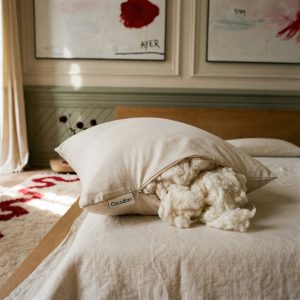
Circadian is a natural pillow brand handcrafted in a Global Organic Textile Standard (GOTS) certified facility in New Jersey, USA. We personally tested their Wild-Harvested Kapok pillow which is plant fiber start to finish: kapok grows inside seed pods on Ceiba pentandra trees in Indonesian rainforests and travels from pod to pillow without a chemical step. Each hollow fiber is 80% to 90% air, which is why it feels like down while staying entirely plant-based.
The organic cotton and wool pillows carry Global Organic Textile Standard (GOTS) certification end to end, covering the fill, cover, thread, and dye process under license GOTS-10229, searchable in the public GOTS database. Every pillow is handmade in New Jersey, ships overstuffed with a side zipper for adjusting the fill, and comes with a 60-night trial and free shipping both ways. The whole lineup ships without flame retardants, dyes, perfumes, pesticides, or VOCs.
Materials Used:
- Pillowcases: GOTS-certified organic cotton
- Pillow fillings: six available (organic cotton, kapok, USA-grown buckwheat, organic wool, Dunlop tree-tapped latex, and a buckwheat-wool hybrid) from $79 each.
Shipping: from the USA
Our Testing Takeaway: We’ve been looking for a plastic-free pillow for years, so we were truly excited when we discovered this brand. The kapok filling is amazing to the touch! It’s incredibly light and much softer than cotton. Even though it’s soft, the pillow is generously filled, so it still gives you the perfect amount of firm support for a great night’s sleep.
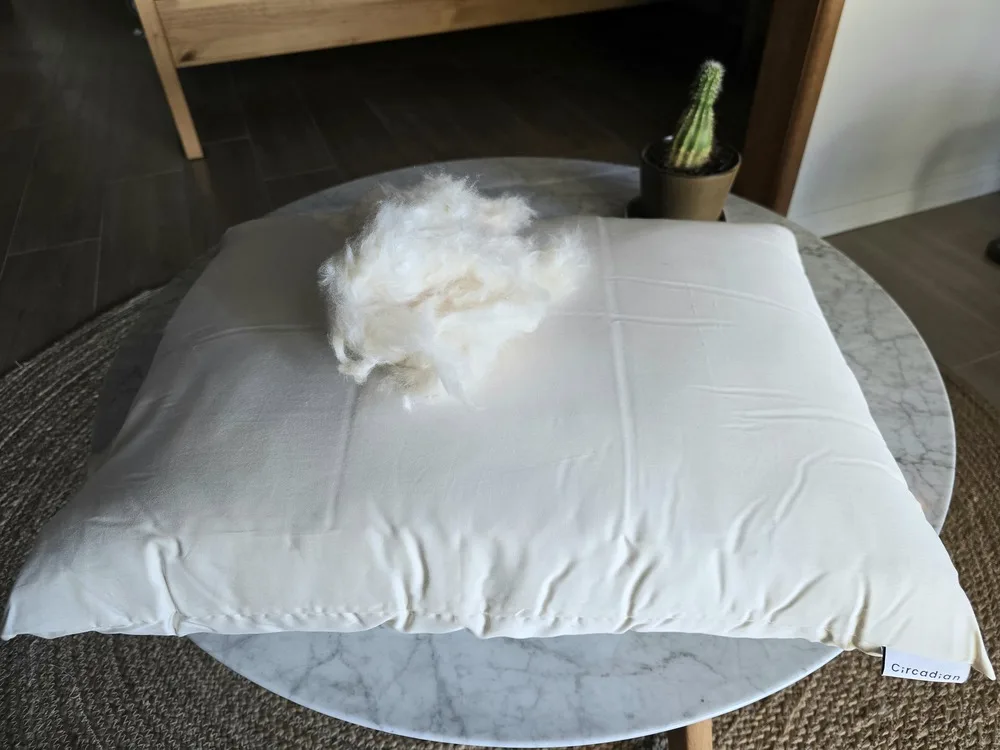
Image Credit: I’m Plastic Free testing the Circadian Wild-Harvested Kapok Pillow.
5. Coyuchi GOTS-Certified Organic Cotton Sheets

Coyuchi is a luxury bedding brand established in 1991. Their 100% organic cotton fabric uses no GMO seeds, synthetic fertilizers, chemicals, or pesticides. Every heirloom-quality piece is created to deliver uncompromising performance for years to come. The brand name “coyuci” is derived from the Aztec language Nahuatl and represents the color of cotton in its raw, authentic state.
They firmly believe that using only single-fiber products in their portfolio empowers circularity and effortless recycling, therefore they introduced the circular project “2nd Home Take Back” and “2nd Home Renewed” and welcomed back products at the end of their life cycle to find a 2nd Home. For the few that can no longer be renewed, those fibers get a fresh start in their Full Circle Recycled Cotton Throw, which demonstrates their commitment to sustainability.
Materials Used: 100% GOTS certified organic cotton percale, linen, sateen, flannel, Jersey.
Shipping: from the USA
6. Simple & Opulence French Linen / Cotton Sheet Sets

At Simple & Opulence, they believe that everyone deserves a good night’s sleep. Their bedding collection is made from the highest quality materials, such as French Linen, 100% cotton, linen / cotton blend and is carefully crafted to ensure maximum comfort and durability. They offer a wide range of colors and designs, from classic neutrals to bold and vibrant prints, all designed to provide the ultimate sleeping experience while maintaining affordability. They have the OEKO-TEX® Standard 100 certification.
Materials Used: 100% cotton, French linen, linen/cotton blend.
Shipping: from the USA
Related: The Very Good Bra: 100% Organic Cotton Padded Bra Review
7. California Design Den Non Toxic Bed Sheets

California Design Den is deeply rooted in California, USA. If you are looking for premium bedding at affordable prices, don’t go past this American brand. Over two decades ago, this family business ventured into the world of bed linen, establishing a reputable factory in India, where they crafted top-tier 100% cotton sheets and bedding for renowned retailers and brands across the globe.
Then in 2017, they introduced the direct-to-consumer brand, which stands for reliability, quality, fair practices, and providing unbeatable value to customers. Their quality is outstanding, as summarised by the customer reviews, and their packaging is plastic free.
Materials Used: organic cotton, Percale, Sateen.
Shipping: USA / Canada
Related: JulieMay Rosie Silk & Organic Cotton Lace Lingerie Set Review
8. Ecodownunder – Organic Soft Cotton, Linen & Hemp

For over 25 years Ecodownunder has been making organic cotton and linen without plastic fibers. Their minimum standard became: no harsh chemicals, no synthetics, and no single-use plastic packaging. Yes, after many discussions with their suppliers, they managed to to pack their bedding products without plastic. Some products like linen, wool quilts, pillows and under blankets are packaged in specially made cotton bags, while most sheets are packaged with a cotton ribbon.
They use certified organic cotton and Australian made whenever possible, otherwise, their organic linen sheets and duvets are made in India with a partner they’ve worked with for over 20 years. Whether you’re looking for organic soft cotton, linen, or hemp, they stock all types of bedding that do not harm your health or the planet.
Materials Used: certified organic cotton, linen, or hemp.
Shipping from: Australia
Related: Does Macrame Make the Best Sustainable Gifts?
9. EcoLinen – Organic Cotton Bed, Bath Linen and Mattress Protectors
If you’re looking for high quality, sustainable, organic cotton bed and bath linen that are strong and hard-wearing, don’t go past ecoLinen! Their product portfolio includes an organic cotton quilted mattress protector featuring resort quality and luxurious thickness, perfect to create a sleep heaven.
Materials Used: 100% GOTS certified organic cotton, high quality flax linen.
Shipping from: Australia
Shop Eco Linen at Biome Australia
The Essentials: Affordable Organic Sheets, Duvet Covers, and Comforters
Choosing the right bedding essentials is crucial for a comfortable and sustainable sleep experience. Organic sheet sets and pillowcases, organic duvet covers, and comforters offer a luxurious touch while adhering to eco-friendly practices. They are often made from percale or sateen weaves, provide a soft and breathable feel, promoting a restful night’s sleep.
Duvet covers and comforters made from organic materials ensure that you can snuggle up without exposure to harmful chemicals. The natural properties of organic fibers also regulate temperature, keeping you cool in the summer and warm in the winter. Investing in these essentials is affordable in the long run, because it not only enhances your sleep quality but also contributes to a greener planet.
Summary: The Benefits of Non-Toxic Linen Sheets
- Reduced exposure to harmful chemicals and toxins
- Improved indoor air quality
- Improved skin breathability
- Improved body temperature regulation
- Better for the environment, no concerns about microplastics released through every wash
- Made to last, if you buy well, you buy less long term
Conclusion: Choose Bedding Made of Natural Organic Fibers!
In a nutshell, we hope that this overview of natural organic non toxic bedding brands was helpful. These brands stand for a commitment to sustainable and environmentally friendly practices throughout the entire production process. Organic bedding is made from materials that are free from synthetic chemicals and pesticides, providing a healthier sleep environment. For these reasons, organic fabrics are to be preferred for baby crib sheets, and other children’s sleepwear products so that you can raise your baby “plastic free” (free of microplastics).
References and Scientific Literature Sources:
(1) Pociot, M., Weinmayr, G., Gehring, U., von Mutius, E., Krämer, U., & Leupold, W. (2005). The use of synthetic bedding in children: Do strategies of change influence associations with asthma? PubMed, PMID: 15962878. https://pubmed.ncbi.nlm.nih.gov/15962878/
(2) Ponsonby, A. L., Kemp, A., Mortimer, D., Dwyer, T., Couper, J., Carmichael, A., & Wood-Baker, R. (2003). Synthetic bedding and wheeze in childhood. Epidemiology, 14(1), S12. https://journals.lww.com/epidem/Fulltext/2003/01000/Synthetic_Bedding_and_Wheeze_in_Childhood.12.aspx
(3) Armengol, E. S., et al. (2022). Allergies caused by textiles: Control, research and future perspectives in the medical field. Allergology International, 71(3). https://www.sciencedirect.com/science/article/pii/S1567576922005276
(4) Munk, M. D., & Shinkai, K. (2022). Textile-related allergic contact dermatitis: An update on allergens, patch testing, and clinical management. Allergology International, 71(3), 325–331. https://www.sciencedirect.com/science/article/pii/S1567576922005276
(5) National Institute of Environmental Health Sciences (NIEHS). (2024). Flame Retardants. U.S. Department of Health and Human Services. https://www.niehs.nih.gov/health/topics/agents/flame_retardants
(6) U.S. Government Accountability Office (GAO). (2010). Formaldehyde in Textiles: U.S. Oversight and Accountability (Report No. GAO-10-875). https://www.gao.gov/assets/gao-10-875.pdf
(7) Study.com. (2023). Formaldehyde in Textiles: Use, Limits & Testing. Study.com Academy. https://study.com/academy/lesson/formaldehyde-in-textiles-use-limits-testing.html
(8) Napper, I. E., & Thompson, R. C. (2016). Release of synthetic microplastic plastic fibers from domestic washing machines: Effects of fabric type and washing conditions. Marine Pollution Bulletin, 112(1-2), 39–45. https://www.sciencedirect.com/science/article/abs/pii/S0025326X16307639
(9) Boucher, J., & Friot, D. (2017). Primary Microplastics in the Oceans: a Global Evaluation of Sources. IUCN (International Union for Conservation of Nature). https://portals.iucn.org/library/sites/library/files/documents/2017-002-En.pdf
—
Do you have any question or comments? Let us know in the comments section below.
Browse our platform for non-toxic plastic alternatives: I’m Plastic Free.