

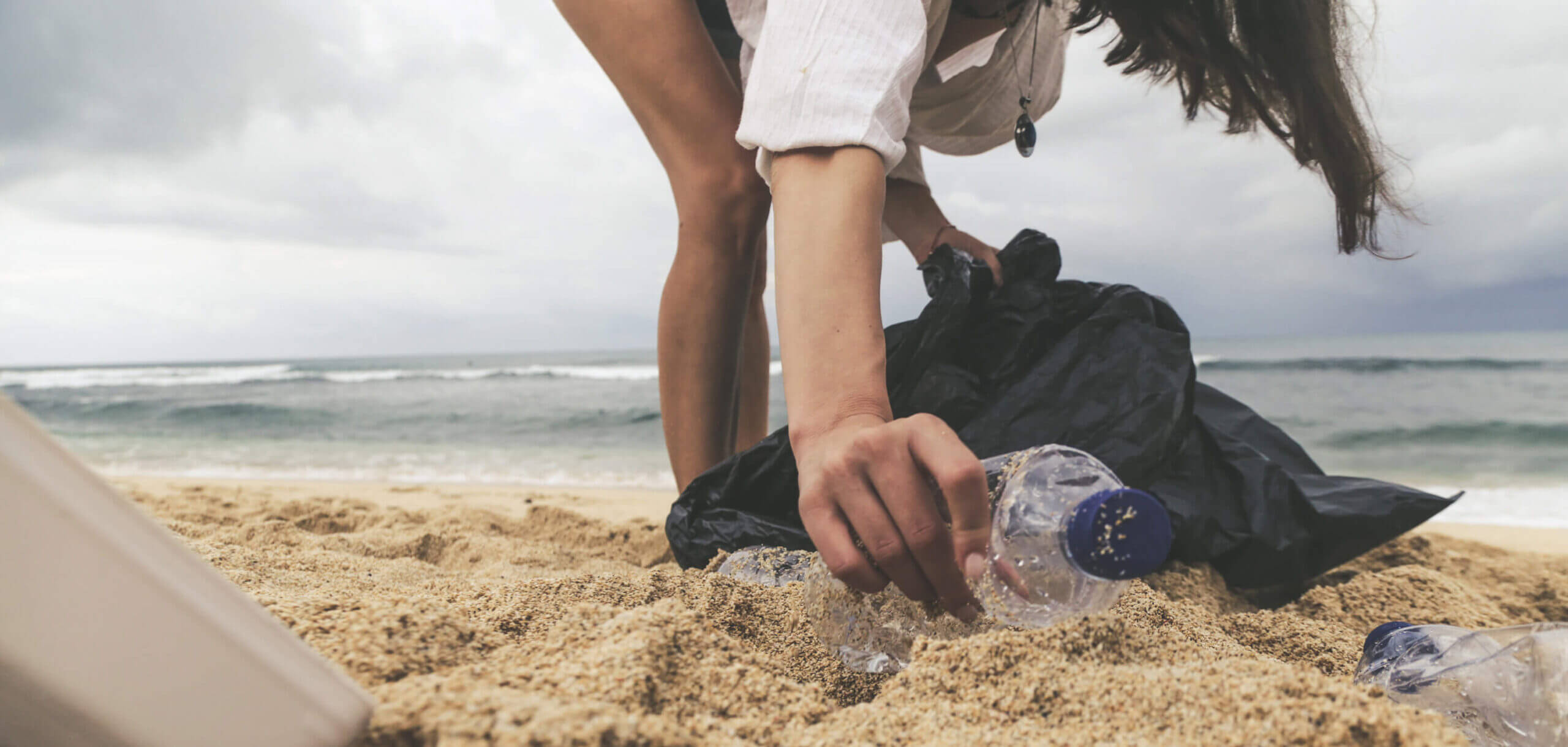
When the warmer months approach, it’s time to start making vacation plans – and for many of us, that will include a trip to the beach, spending time by the water. However, blue tourism can be harmful to the environment, particularly as so many beach essentials are so often left behind. They then pollute our oceans as a result.
According to Original Travel, there are believed to be 51 trillion pieces of microscopic plastic currently in the Earth’s natural bodies of water. The Atlantic alone is believed to absorb 0.11 million metric tons of plastic waste per year – and that’s just from the U.S.
Eco-Friendly Beach Essentials: 3 Best Plastic-Free Alternatives
If you’re keen to do your bit to protect the planet, cutting down on plastic is a great place to start. But what about those essential beach items you just can’t do without? In this guide, we share some more marine-friendly alternatives, to help you make sustainable choices this summer.
1. Reusable, Plastic-free Food and Drinks Containers
Bottles, sandwich bags, disposable cutlery, and other commonly used food storage items are often made from single-use plastics, which can seriously harm the environment, particularly if they’re accidentally left behind at the beach. It’s not uncommon for animals to get caught in leftover bags and wrappers, which can then have a knock on effect and impact entire food chains and ecosystems.
Wherever possible, try to opt for more eco-friendly alternatives to single-use plastic packaged food items:
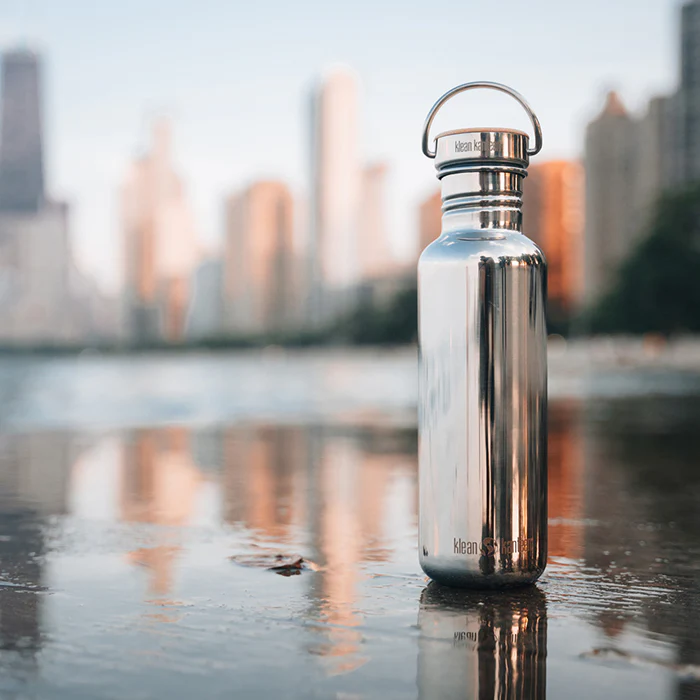
- Reusable stainless steel bottles, which will cut plastic waste and keep your drinks colder for longer.
- A reusable coffee cup, to have in your beach bag, when you are craving for a latte or iced coffee at the beach
- Reusable stainless steel food containers, silicone food bags (we recommend these only for dry food) or beeswax wraps, which are reusable and will reduce the chances of litter ending up in the water.
- Bamboo or metal utensils – bamboo is a biodegradable option, while metal is long-lasting.
Related: 5 Non-Toxic, Plastic Free Water Bottles Without Microplastics
2. Reef-safe and Plastic-free Sun Protection
Chemical sunscreens can be seriously harmful to the environment. The National Oceanic and Atmospheric Administration (NOAA) details some of the effects of these chemicals on marine life, such as impaired growth and photosynthesis in green algae and DNA damage and bleaching in corals. These toxic chemicals can also damage immune and reproductive systems in sea urchins, decrease fertility and reproduction in fish, and cause birth defects in mussels. It can also accumulate in the tissues of dolphins and be transferred to their young. Their impact is widespread and devastating.
Instead of using chemical sunscreens (which often don’t stay on your skin in the water anyway) try:
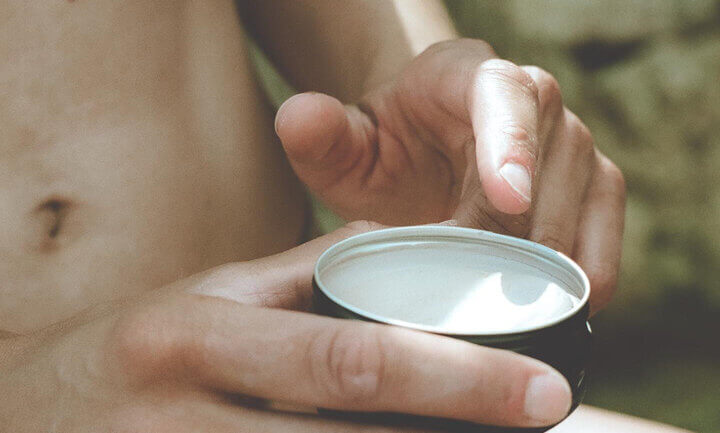
- Using sunscreen that’s certified as reef-safe – they will usually be zinc-oxide based – and comes in plastic-free packaging.
- Stay in the shade or wear a hat, long sleeves and trousers.
- Time your activities for when the sun is lower in the sky, avoiding the harsh UV rays of midday.
Related: 10 Plastic Free Sunscreen Brands for a Healthier You and Ocean
3. Plastic-free Beach Clothing and Accessories
According to the Center for Biological Diversity, fast fashion is responsible for as much as 10% of global carbon emissions. These clothing items often use fibers that are derived from fossil fuels and coated with chemicals, which inevitably cause harm to the environment when they’re disposed of. Plus, their quick production causes excessive demand for raw materials which are then fed into the industry at an alarming rate, contributing to increased pollution, waste, and air degradation.
Don’t be fooled by products that include recycled synthetic fibers, like swimwear made from recycled nylon and Lycra. Yes, recycled fibers made from recovered fishing nets are better than virgin synthetic fibers to contribute to a circular economy, however they still release microplastics with every wash.
- Instead of fast-fashion swimwear, try plastic-free swimwear made from natural, biodegradable materials like organic cotton, merino wool, and hemp. These materials are breathable alternatives to synthetic fabrics. This type of swimwear often uses natural fibers with minimal elastane to maintain shape, or specialized untreated fabrics for fully plastic-free, non-toxic options.
- Instead of synthetic cover-ups and beach towels, opt for those made from organic cotton or sustainably sourced fabrics.
- Instead of buying cheap plastic beach bags, opt for reusable cotton tote bags or canvas beach bags that are washable and do not shed microplastics.
- Instead of cheap plastic flip-flops, choose natural rubber, or footwear made from recycled materials, to help reduce long-term plastic pollution.
- Instead of plastic beach toys for kids, opt for toys made of food-grade silicone or, even better, natural rubber.
Related: 9 Essential Ways to Reduce Plastic Waste on Your 2026 Travels
Conclusion: Be a Responsible Tourist!
We all want to enjoy the great outdoors during summer, but the unfortunate truth is that visiting the beach can harm the environment. Try to be a responsible tourist while spending time by the sea, no matter where you are, by making more mindful choices.
Understanding the impact of different materials can be really helpful in knowing what you should and shouldn’t bring to the beach. Avoid single-use plastics and products made from harmful chemicals, and always take your litter home with you. As long as you keep environmental concerns at the forefront of your mind, you can be sure you’re making a more positive impact.






Add a comment