

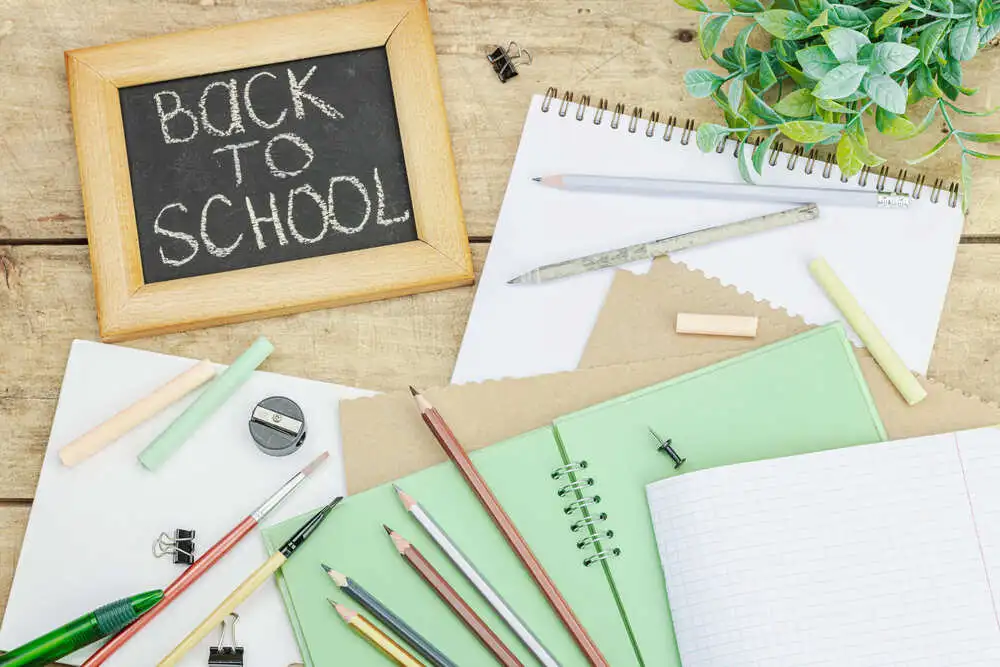
At the beginning of a new school year, there’s always a large list of things to buy. It may seem vital to have bags, notes, pencils, rulers, lunchboxes, bottles and files. But many students have working versions of these goods already.
The most practical way is not to replace everything all at once to eliminate plastic. It means buying less, reusing what still works and only opting for durable alternatives when a product actually has to be replaced.
The U.S. Environmental Protection Agency suggests checking the house for backpacks, binders, folders and notebooks that can be taken back to school. It also promotes the use of scrap paper for notes, recycled paper products, and refillable pens. It’s a waste-reducing, budget-controlling back-to-school technique.
8 Tips on How to Lower Your Plastic Waste from School
1. Audit Your Existing School Supplies First
Empty old backpacks, desk drawers, and storage boxes before visiting a shop. Test every pen. Keep the blank pages from partly used notebooks for rough work. Clean rulers and lunch containers, then inspect bags for small tears or loose straps.
Sort your current inventory into four groups:
- Ready for school
- Needs a simple repair or cleaning
- Useful as a spare
- No longer safe or functional
A scratched plastic ruler doesn’t have to be tossed in the garbage, if it still works. The same goes for a pencil case that needs a quick wash or an old folder with a bent corner.
“Sometimes it’s easier to throw that plastic item away instead of getting rid of it and buying a new, environmentally friendly product,” she explained. The goods has been made, packaged and shipped. Making stuff last longer eliminates unnecessary buying.
2. Choose Paper Products with Clear Environmental Labels
Paper can reduce the need for plastic covers, dividers, wallets, and folders. Look for notebooks with cardboard covers, metal binding, and minimal plastic-free packaging. Recycled loose-leaf paper also works well for class notes, printed tasks, to do-lists, grocery shopping lists, and project drafts.
Labels deserve attention. When buying paper goods, check for verifiable certifications, like the ones by the Forest Stewardship Council, rather than vague “green” claims:
- FSC Recycled: Identifies products made from 100% post-consumer recycled paper.
- FSC Mix: Indicates materials sourced from certified forests, recycled inputs, or controlled wood.
These specific labels provide more information than a vague leaf symbol or the word “eco.”
Personal Tip: paper folders may wear out faster than thick plastic ones. Reinforce weak corners with paper tape and avoid overfilling them. A basic folder that survives the full school year offers more value than a decorative model that needs replacement after a few weeks.
3. Build a Refillable, Non-Toxic Pencil Case
Disposable pens and highlighters become waste as soon as the ink runs out. Refillable fountain pens, rollerballs, mechanical pencils and highlighters with new cartridges can reduce the quantity of whole products being thrown away.
Wooden pencils are still a simple choice. Use each pencil until it is too short to handle comfortably. A metal sharpening will survive for years, a wooden or metal ruler can stand in for a plastic one when the existing ruler breaks
| Common Supply | Lower-Plastic Option | Budget Approach (Affordable) |
| Ballpoint pen | Refillable pen | Choose a model with common refills |
| Plastic ruler | Wooden or metal ruler | Keep the old ruler while it works |
| Highlighter | Refillable model or coloured pencil highlighter | Use pencils already at home |
| Plastic folder | Recycled-card folder | Reinforce the edges with paper tape |
| Plastic pencil case | Fabric pouch | Reuse a small zipped bag |
Check the availability of replacement parts before buying. A pen with rare cartridges may become useless once the first refill runs out. Standard sizes usually make more sense for students and families on a budget.
4. Prepare School Projects with Minimal Waste
School research projects often require research notes, cards, posters, photographs, and written explanations. They often generate unnecessary plastic waste from lamination, synthetic glues, and foam board.
Start with digital notes when the teacher permits them. For printed work, use both sides of each sheet and save clean offcuts for labels or draft plans.
Old cardboard boxes can become display boards, model bases, or backing for pictures. A previously used folder can hold research pages. Students may also share rarely needed craft tools rather than buying a complete set for one assignment.
Clear wording can prevent repeated printouts. Students can use a rewording tool to improve unclear wording while keeping their original ideas. GetSolved describes its paraphrasing feature as a way to refine clarity, flow, grammar, and tone while preserving the central meaning. Students should still review every change, verify their facts, and confirm that the final wording expresses what they intended.
Digital support should help students present their knowledge clearly. It should not replace research, source checks, or subject understanding. A final read aloud can reveal an awkward phrase before another copy reaches the printer.
Related: 45 Catchy No Plastic Slogans
5. Pack Waste Free Lunches
Food packaging offers one of the clearest opportunities for change. The United Nations Environment Programme reports that packaging accounts for approximately 36% of all plastic produced. Much single-use food and drink packaging ends up in landfill or as mismanaged waste.
Lunch boxes made of stainless steel will survive for years and are usually easy to clean. Glass containers can be good for older kids, but the weight and risk of breaking can make them impractical for some schools. Daily disposable packaging products are swapped for fabric wraps, washable snack packs, metal flatware and cloth napkins.
Our guide to non-toxic lunch boxes compares several stainless-steel options and discusses practical details, including dividers, cleaning requirements, and whether a lid is fully leakproof. Check those points before buying. A durable box is not useful if lunch leaks into a backpack.
Related: 8 Best Non Toxic Lunch Boxes That Don’t Shed Microplastics
6. Carry One Reusable Water Bottle
A reusable water bottle only reduces waste when the student remembers to carry it. Stainless steel is durable, and free of microplastics, although it may be heavier than plastic. Glass can work for older students but may not meet every school’s safety rules.
Before purchase, check:
- The weight when full
- The strength of the lid
- Ease of cleaning (i.e. wide mouth opening)
- Leak protection
- Access to replacement parts like seals or caps
The bottle does not have to be new. A safe, undamaged one already at home is usually the cheapest option. Add a name label, wash it each evening, and place it beside the backpack for the morning.
Our guide on how to be an eco-friendly student also recommends reusable utensils and other simple daily swaps. These habits work best when they fit a student’s normal routine.
Related: 5 Non-Toxic, Plastic Free Water Bottles Without Microplastics
7. Choose Natural Fabric Bags and Backpacks
A durable backpack can last for several school years. Repair a loose strap or broken zip when the fix costs less than a replacement. Washable totes and drawstring bags work well for sportswear, art materials, or library books.
Fabric pencil cases are also easy to mend. An old cosmetic pouch or small zipped bag may already have the right size and shape. Reuse matters more than buying a matching set labelled “sustainable.”
Students can organise small items in cardboard boxes at home. Glass jars may hold pencils on a desk, provided they remain at home and away from places where they could break.
8. Avoid “Greenwashing”: Check Environmental Claims
Words such as “green,” “natural,” and “earth-friendly” or “eco-friendly” can sound convincing without explaining why a product is better. The US Federal Trade Commission warns that broad environmental claims may mislead consumers when companies fail to support them with clear, specific information.
Ask these questions before paying extra for sustainable school supplies:
- Does the label identify the material?
- Is the recycled-content percentage stated?
- Can the product be refilled or repaired?
- Does it have unnecessary plastic packaging?
- Are replacement parts easy to obtain?
- Will the student use it for several years?
A product does not become sustainable because it comes in brown packaging or carries a green logo. Clear material details, recognised labels, and realistic durability claims matter more than decoration.
Frequently Asked Questions (FAQs) about Zero-Waste School Supplies
– What are the best alternatives to plastic vinyl binders?
The best alternatives to PVC vinyl binders are heavy-duty recycled kraft paper binders, cotton canvas-covered binders, or 100% plastic-free aluminum and steel binder clips.
– Are plastic-free school supplies safe for young children?
Yes. Plastic-free supplies made from natural materials like untreated wood, stainless steel, organic cotton, and natural rubber eliminate kids’ exposure to toxic plasticizers, BPA, BPS, phthalates, and microplastics.
– Are plastic-free school supplies more expensive?
Products not made with cheap plastic might be more expensive, however you can still stay on budget by reuse what you have first through a home inventory, and then purchase only the few items needed.
– How do I switch to zero-waste school supplies on a tight budget?
The most affordable way to go plastic-free is to shop your own home first. Reusing old backpacks, sharpening existing pencils down to the stub, and use what you have lying in your drawers first costs nothing and prevents unnecessary consumption.
Related: 14 Best Plastic Free Books to Read in 2026 (Expert Picks)
Final Thoughts: Make one change at a time
A plastic-free school year does not require a perfect shopping basket. Finish the current notebook. Refill the pen already in your pencil case. Repair the backpack. Replace disposable lunch packaging first if it creates the most daily waste.
When an item has reached the end of its useful life, be careful in choosing its replacement. You may do this with recycled paper, refillable stationery, wooden tools, metal food containers and fabric bags.
The most powerful habit is still the simplest: use what you have, as long as it is safe and functional.




Add a comment