

This is why you need plastic-free travel gear. Over fifteen years ago, I emptied my carry-on onto a hostel bunk in Lisbon and sorted the plastic into a pile. Here’s what I found:
- Shampoo sachets from two hotels.
- A poncho I bought during a downpour and wore once.
- Four snack wrappers.
- A bottle of water from the airport, because my reusable one was buried under a week of laundry and I could not face digging for it.
Everything in that pile had been bought in four days. Everything in it was already trash.
That trip changed how I pack, though not the way I expected. My first attempt at a plastic-free kit was a mess. I carried a steel bottle, three glass jars, a bamboo cutlery roll, a spare tote, and a tin of loose tea I never opened. The bag weighed more than my clothes. I still bought bottled water on day one. The problem was not that I owned too little reusable gear. It was that I owned too much of it, packed it badly, and reached for the disposable option every single time.
What is the Best Plastic-free Travel Gear?
The best plastic-free travel kit focuses on lightweight, multi-use solid toiletries (shampoo bars, toothpaste tabs), a reusable stainless steel water bottle, a reusable plastic-free coffee cup, natural-fiber bags, and a e-SIM.
What Failed the First Time
Reusable gear only works if it is easier to reach than the alternative. That sounds obvious. It is also the reason most plastic-free packing collapses by day three. A bottle at the bottom of a duffel is a bottle you will replace with a plastic one at the first airport newsstand. A cutlery roll in a zipped inner pocket is a plastic fork you accept at a food stall.
So the kit shrank. One item per job, stored in the outer pocket or the top third of the bag, nothing that needs unpacking to use. Here is what I carry now.
My Plastic-Free Travel Gear Packing List
| # | Gear Item | Weight (g / oz) | Primary Material | Plastic Equivalent Replaced | TSA Compliance |
|---|---|---|---|---|---|
| 1 | Refillable Water Bottle (750 ml / 25 oz) |
180 g / 6.3 oz | Stainless steel or titanium | ~30–40 single-use plastic water bottles (two weeks) | Compliant (Must be empty) |
| 2 | Reusable Coffee Cup (350 ml / 12 oz) | 120 g / 4.2 oz | Stainless Steel or Platinum Silicone | ~28 PE-lined paper cups & 28 plastic lids (two weeks) | Compliant (Must be empty) |
| 3 | Solid Shampoo & Body Bar | 60 g / 2.1 oz | Saponified plant oils | Two 3.4 oz travel bottles & plastic wraps | Compliant (Exempt from TSA 3-1-1 rule) |
| 4 | Toothpaste Tablets (60 count) |
30 g / 1.1 oz | Solid toothpaste in glass/aluminum | 1 non-recyclable laminate squeeze tube | Compliant (Exempt from TSA 3-1-1 rule) |
| 5 | Mineral Sunscreen Stick | 50 g / 1.8 oz | Non-nano Zinc Oxide in paperboard | 1 plastic tube & synthetic polymers | Compliant (Exempt from TSA 3-1-1 rule) |
| 6 | Bamboo Travel Cutlery Set | 45 g / 1.6 oz | Organic Birch or Bamboo | Dozens of single-use plastic utensils | Compliant (Carry-on allowed) |
| 7 | Folding Market Tote | 40 g / 1.4 oz | Certified Organic Cotton | 15–20 HDPE plastic shopping bags | Compliant |
| 8 | Mesh Produce Bag | 15 g / 0.5 oz | Raw Hemp Mesh | Single-use thin plastic produce bags | Compliant |
| 9 | Laundry Soap Bar (Half Bar) |
35 g / 1.2 oz | Concentrated solid plant soap | Hotel plastic laundry wrap & single-use detergent packets | Compliant (Exempt from TSA 3-1-1 rule) |
| 10 | Travel eSIM | 0 g / 0.0 oz | Digital | 1 plastic SIM holder, blister pack & sleeve (15 g / 0.5 oz) | Compliant (100% digital) |
Total Travel Gear Weight:
- Total Ounces: 20.3oz
- Total Pounds: 1.27lbs
- Total Grams: 575g
The entire plastic-free gear setup adds just over 1.25 lbs (575 g) to your carry-on luggage.
Crucial Safety Note: Silicone vs. Stainless Steel Reusable Coffee Cups
Material Safety Warning: While collapsible silicone cups offer convenient packability, silicone is not completely inert. Low-quality or cheap silicone often contains fillers, siloxanes, and volatile organic compounds (VOCs) that can leach into hot or acidic liquids like coffee and tea.
If choosing silicone, strictly look for 100% food-grade or LFGB-certified platinum silicone (which passes the “twist test”. If it turns white when twisted, it contains fillers). Alternatively, a double-wall stainless steel cup or small enamel cup provides a completely non-leaching, inert option that eliminates chemical migration risks entirely while adding only minimal weight.
Related: 9 Essential Ways to Reduce Plastic Waste on Your 2026 Travels
1. Water: One Bottle, Chosen Once
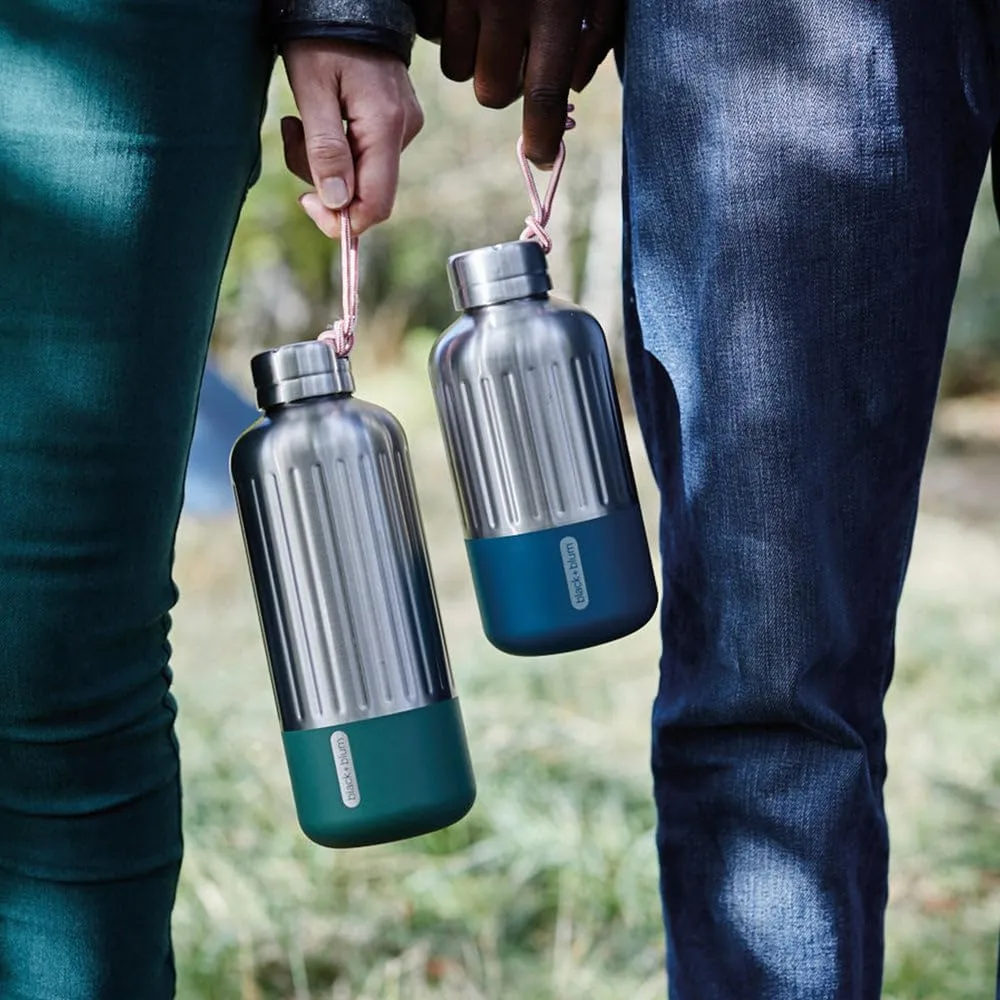
The default advice is a stainless steel bottle, and steel is a fine choice if you already own one. Do not buy a second bottle to be virtuous. Aluminum bottles, though they are lighter for the same volume, and dent rather than crack, they use an interior lining, usually made of plastic!
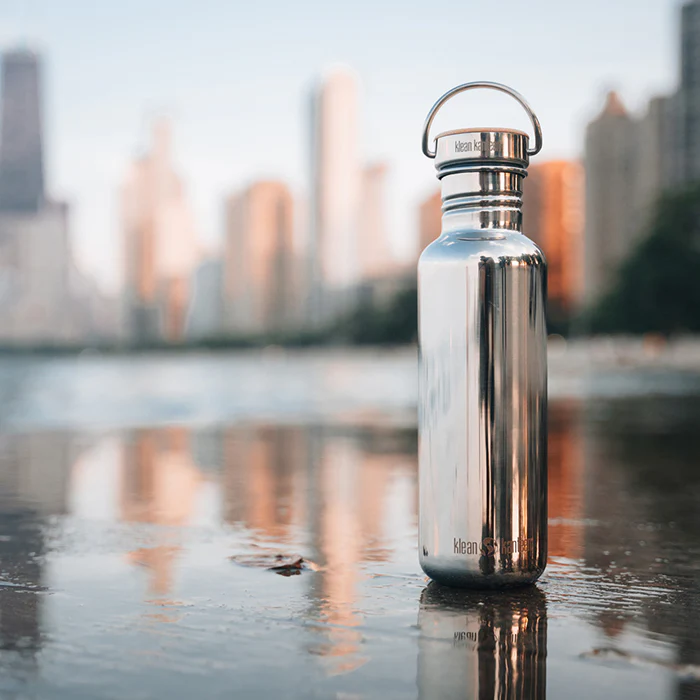
Whatever you carry, empty it before the TSA security lines rather than at it. An empty reusable bottle passes through without comment. A full one gets poured out, and that small indignity is what sends people to the concession kiosk on the other side. One bottle is the whole answer here. Don’t pack a second vessel for cold drinks… it becomes dead weight you repack every morning.
2. Coffee: The Cup Most People Leave Behind
Reusable cups are the swap travelers skip, and it is the one with the highest daily count. A two-week trip with two coffees a day is 28 lined paper cups and 28 plastic lids. Those cups are not straightforwardly recyclable either, because the waterproof lining fuses plastic to paper in a way most municipal facilities cannot separate.
The practical fix for travel is a collapsible cup rather than a rigid tumbler. It flattens to the height of a passport and lives in a side pocket, which is the only reason I still have mine. Rigid cups take up bottle-sized space and lose to the bottle every time.
Baristas in most countries will fill a clean cup you hand over. The refusals I have met came down to a cup that arrived sticky, so rinse it the night before.

3. Personal Care: Where Solid Bars Hold Up and Where They Don’t
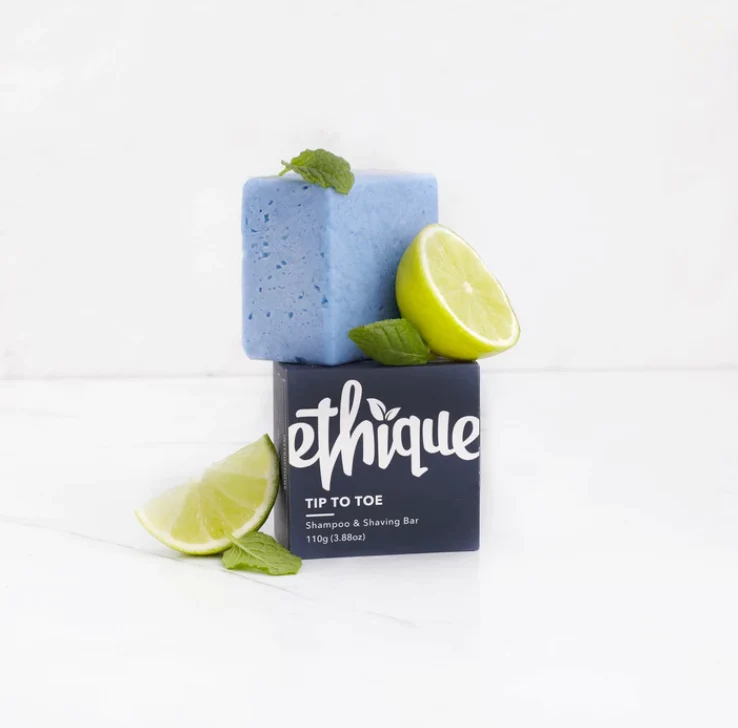
Solid toiletries are the strongest part of a plastic-free kit and the part most often oversold. A shampoo bar does the work of a 3.4 oz/ 100 ml bottle, cannot leak onto your clothes, and never gets pulled at the TSA security lines. It also removes an entire category of plastic you stop noticing: the seals, the squeeze tubes, the pouch, and the zip-top bag you carry as insurance against the pouch.
Here is where bars fall down. Past three weeks, a bar gets soft and grimy if it never dries properly, so it needs a tin or case with drainage holes. In hard water regions, some bars leave a film that takes a few washes to clear. On a long trip I take one bar and plan to buy a replacement locally, since most large cities now have a refill or zero-waste shop, and a bar from a local soap maker beats a fridge magnet as a souvenir.
4. Toothpaste Tablets: Less Weight if Packed in an Aluminum Jar
Toothpaste tablets eliminate the non-recyclable composite squeeze tube, which is made of a multi-layer plastic and aluminum item that sits in landfills for centuries. A glass or aluminum jar of 60 tablets lasts a month and takes up less room than a standard tube.
Personal Pro Packing Tip: To stretch your supply on longer trips, bite a tablet in half. Half a tablet creates more than enough foam for a thorough brush, effectively doubling your supply so 30 tablets last a full month.
Related: Sustainable Beach Essentials: 3 Best Plastic-Free Alternatives
5. Sun Protection Without the Plastic Tube
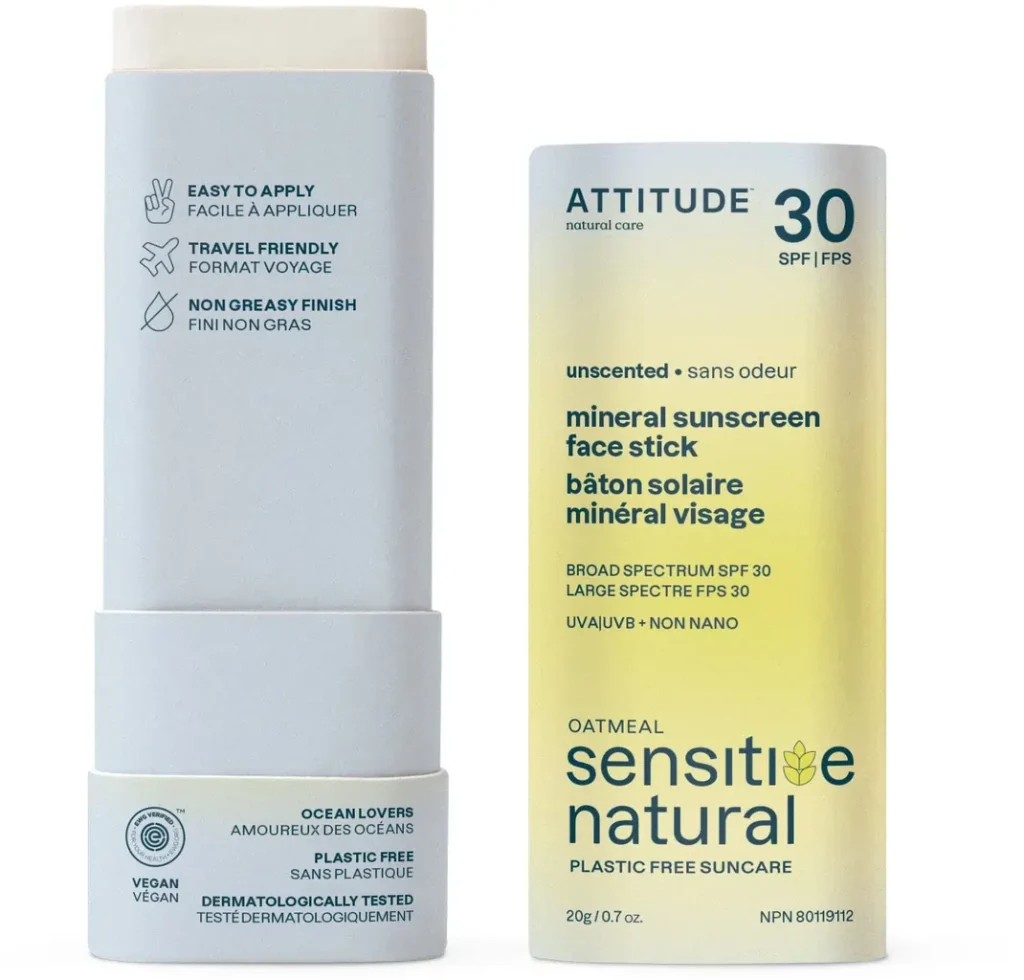
Sunscreen is the swap people forget, and it carries two plastic problems rather than one. The obvious one is the tube. The less obvious one is the formula, since a number of conventional sunscreens use synthetic polymers as film formers and texture agents, which rinse into the water with you. Ingredient lists rarely use the word plastic for these, so look for terms beginning with poly, such as polyethylene or acrylates copolymer.
Mineral sunscreens in tins and cardboard sticks avoid the packaging entirely and typically skip those polymers. The honest downsides are real. Zinc-based formulas leave a white cast, they need a firmer rub over damp skin, and a stick is slower to apply across a back than a spray. A stick also softens above roughly 86 degrees F/ 30 degrees C, so it should not sit in a beach bag in direct sun.
Reapplication matters more than format, so whatever you pick, pick the one you will actually put on at two in the afternoon.
6. Travel Cutlery Set: Bamboo is the Light Option
Travel cutlery is a essential swap for avoiding single-use plastic forks, spoons, and knives at street food stalls, food courts, and airport terminals. Opt for lightweight organic birch or bamboo sets stored in a simple fabric sleeve rather than heavy titanium or bulky hard-plastic cases. Keeping the set pared down to three core pieces: fork, spoon, and knife, ensures it stays under 50 grams (1.8 oz) while clearing TSA carry-on screening without issue.
7. / 8. Folding Market Tote and Produce Bags: Natural Fiber Over Synthetic
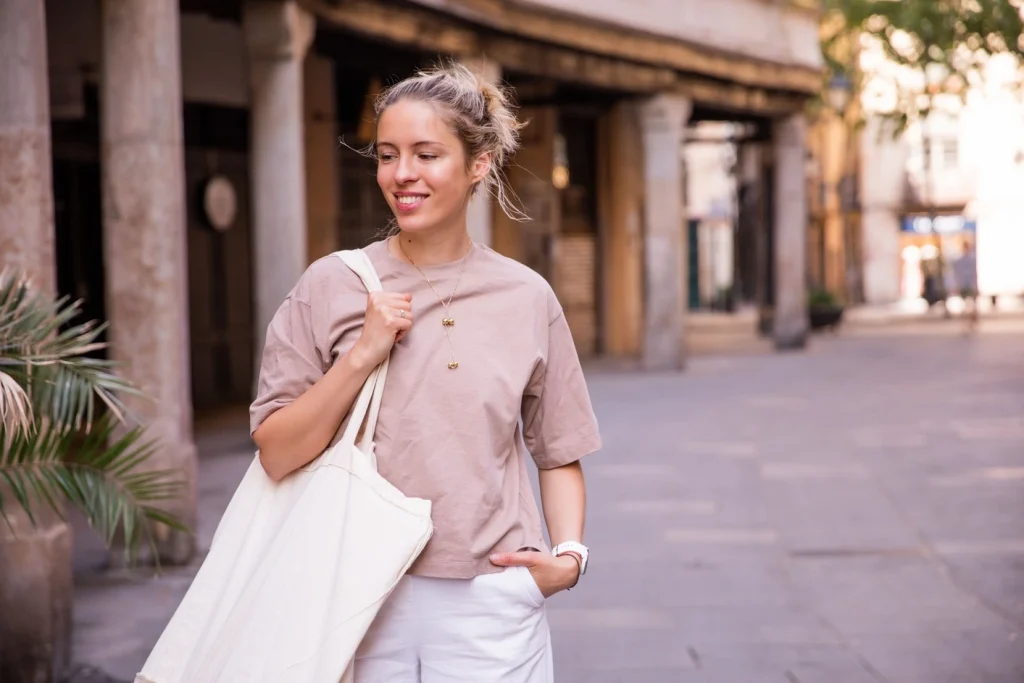
This is where the material question gets more interesting than plastic versus not plastic. A folding tote sold as reusable is often polyester, and synthetic fabrics shed microfibers each time they are washed, which is one of the routes plastic takes into water systems without anyone throwing anything away. Organic cotton, hemp, and linen do not shed that way. They weigh slightly more and they crease, but they are worth the expense if you use them often.
9. A Half Bar of Laundry Soap Avoid Hotel Laundry in Plastic Film
Laundry is the quieter leak. Hotel laundry returns everything sealed in film whether you asked or not. Half a bar of soap, a sink, and four minutes solves it, and clothes rolled hard in a towel dry overnight.
10. Staying Connected Without the SIM Packaging
Arrival SIM cards are a small, invisible plastic habit. The card sits in a credit-card-sized holder, inside a blister pack, inside a printed sleeve, and the whole assembly exists to be thrown away within a minute of opening it. Multiply that by every arrivals hall in a multi-country trip.
A travel eSIM removes the object. It loads onto the phone as a profile, so there is no card, no holder, and no kiosk queue at one in the morning. Nomad provides travel eSIM plans by single country or by region, which is the part that matters on a trip crossing several borders, since one regional plan can cover the whole route instead of a fresh card at each airport. The plans carry data only, so keep your home SIM in place for calls and verification codes.
One caveat worth checking before you rely on it: your handset has to support eSIM, which most phones sold in the last five years do, and the device must not be carrier-locked.
When Single-Use Cannot be Avoided
Nobody packs a flawless bag, and the people who aim for one tend to give up by the second trip. My test for the exceptions is narrow: buy single-use when the alternative is a genuine health or safety problem, not when it is merely inconvenient. Bottled water where the tap is not potable qualifies. Medication and contact lens solution qualify. A fork you forgot does not.
Recycling is the weakest part of any plastic plan, and it is worth knowing how weak. The US Environmental Protection Agency (EPA)’s figures for plastics put the recycling rate for plastic in US municipal waste at well under ten percent (1) , far below paper or metal. Treat the bin as a fallback, not a plan, and put the effort into the swap instead.
Start smaller than this list if it helps. A weekend trip needs a bottle, a bar, and a tote. Count what comes home with you, notice the one disposable item that crept in anyway, and fix that single thing before the next trip. Mine was always the airport coffee. It took a cup that folds flat to finally solve it.
FAQs About Travelling Plastic-free
– How do you travel plastic-free without adding heavy weight to your bag?
The key is adopting a minimalist “one item per job” rule and choosing lightweight, non-plastic alternatives. Focus on solid toiletries (shampoo bars, toothpaste tablets, laundry soap), a reusable water bottle, natural-fiber totes, and digital alternatives like eSIMs. A complete zero-waste kit can weigh under 1.25 lbs (575 g).
– How do you bring water on a flight without buying plastic bottles at the airport?
Pack an empty reusable stainless steel water bottle in an easily accessible pocket of your carry-on. Pass through TSA security lines with the bottle completely empty, then refill it at hydration stations or water fountains near your departure gate before boarding.
– How do you wash clothes plastic-free while traveling?
Instead of relying on hotel laundry services (which return clothes wrapped in single-use plastic film) or buying liquid detergent in plastic bottles, pack half a bar of solid laundry soap. Wash essentials in a hotel sink or tub (which by the way takes about four minutes) roll the garments tightly in a towel to extract excess moisture, and hang them to dry overnight. Alternatively, wash your clothes while showering.
– What are the best plastic-free snacks for air travel?
Avoid pre-packaged airport snacks wrapped in multi-layer foil and plastic. Bring home-packed snacks in a organic cotton or linen pouch, aluminum or stainless steel tin, or beeswax wrap. Ideal plastic-free flight snacks include nuts, dried fruit, solid fruit (like apples or oranges), homemade granola bars, and sandwiches. By the way, these snacks are not just good for the environment, they are also good for your health!
– How do zero-waste travelers manage fresh fruit and groceries at local markets?
Carry a ultra-lightweight mesh produce bag and a compact folding organic cotton tote in your daypack. Mesh bags keep fruit and bread separated without needing thin plastic produce bags, while the folding tote acts as your primary shopping bag for groceries and souvenirs.
References and Scientific Literature Sources:
(1) United States Environmental Protection Agency. (2023, November 22). Plastics: Material-specific data.





Add a comment