A beginner guide on where to start reducing your plastic waste and how to.
No, you don’t go completely single use plastic free from day one.
Our recommended approach is that you start with 11 items, step by step and then progress slowly to more once you feel more confident.
The Fast 11-Item Plastic Reduction Checklist
Here is the list and we’ll explain each of them while listing a few tips:
1. Reusable Water Bottles (Swap Out Disposable Plastic)
2. Glass or Steel Coffee Cups (Ditch HDPE-Lined Paper)
3. Bamboo, Glass, or Steel Straws (Or Just Say No)
4. Reusable Smoothie Bottles (Avoid PLA “Bioplastics”)
5. Reusable Shopping Bags (Leave Them in the Car)
6. Mesh Produce Bags (For Fruit and Veggies)
7. Bamboo Toothbrushes (Ditch the Plastic Handles)
8. Travel Cutlery or Sporks (Say No to Plastic Utensils)
9. Stainless Steel or Glass Lunch Boxes (Safe for Microwaves)
10. Beeswax or Vegan Wraps (Replace Plastic Cling Wrap)
11. Solid Soap Bars (Eliminate Liquid Soap Bottles)
The Comparative Table
| # | Single-Use Plastic Item | Best Eco-Friendly Alternative | Low-Budget / Zero-Cost Hack | Why It Matters |
| 1 | Water Bottles | Food-grade Stainless Steel | Reused glass passata bottle + old stubby cooler | Best non-toxic reusable water bottle to avoid microplastics |
| 2 | Coffee / Tea Cups | Glass or Stainless Steel | Reused jam jar wrapped with thick elastic bands | Why are paper coffee cups bad for the environment and your health? |
| 3 | Plastic Straws | Bamboo, Glass, or Stainless Steel | Say “no straw please” when ordering | No need for plastic straws. Reusable straw options are available (also for sensitive teeth) |
| 4 | Smoothie Cups | Stainless steel milkshake cup or cocktail shaker | Repurpose a jar or cocktail shaker you already own | Are PLA bioplastic cups actually compostable? |
| 5 | Shopping Bags | Canvas or heavy-duty fabric bags | Gather existing reusable bags and store them in the car | How to remember reusable bags when shopping, when you need them |
| 6 | Produce Bags | Organic cotton mesh | Skip the bag completely for thick-skinned fruits/veggies | Alternatives to plastic grocery produce bags exist |
| 7 | Toothbrushes | Bamboo toothbrush | Compost the handle; pull out nylon bristles with pliers (natural bristles toothbrushes are more expensive) | How to dispose of a bamboo toothbrush properly (nylon bristles are not compostable) |
| 8 | Cutlery / Utensils | Stainless steel (for office) or Bamboo (for travel) | Wrap mismatched metal cutlery from home or from thrift store in a clean cloth | Can you take bamboo cutlery through airport security? |
| 9 | Lunch Boxes | Food-grade Stainless Steel or Glass | Stack a regular ceramic plate over a bowl for leftovers | Is it safe to microwave food in plastic containers? |
| 10 | Cling Wrap / Foil | Beeswax wraps, Vegan wraps, or cotton covers | Store food in a glass jar or place an upside-down plate over a bowl | Eco-friendly alternatives to plastic kitchen wrap |
| 11 | Liquid Soap Bottles | Palm-oil-free solid soap bars or powder refills | Switch back to traditional bar soap on a small dish | How to reduce plastic waste in the bathroom and in the kitchen |
1. Reusable Water Bottles (Swap Out Disposable Plastic Bottles)

The Problem
The very first thing to do when starting your plastic free journey is to stop drinking bottled water. It seems pretty obvious to the “zero wasters” but why are there are billions of people on earth still using it and therefore increasing their demand on the market?
We understand that in some countries tap water is not safe, but this is not the case for many other developed countries, including the USA, Canada, the UK, and Australia.
In the USA 50 billion water bottles are sold every year and at least 38 billion of them end up in landfills, roughly 60 million plastic bottles every day. Globally, the crisis is just as severe: in Australia consumers purchase almost 15 billion plastic bottles every year and many of these end up in landfill or in our waterways.
Did you know that it takes 3L of tap water and 250 ml of oil to produce one litre of bottled water? It sounds outrageous, but it’s the truth. Isn’t this already reason enough to stop?
Furthermore, single-use disposable plastic water bottles may cause chemical contamination and toxity to the drinking, particularly if those bottles have been stored in hot area, or if they have been exposed to high temperatures or sunlight in between transportation.
The Solution
Use a stainless steel reusable water bottle, not a plastic or aluminium one, as high quality food-grade stainless steel is one of the safest materials. If you like carbonated drinks, buy a soda make and refill your reusable bottle.
Tip 1: are you on a low budget? Reuse a glass bottle from water, juice or passata bought at the supermarket and use an old stubby cooler to help prevent breaking.
Tip 2: Don’t buy a spray painted water bottle. The paint will chip off within six months to 1 year and your water bottle will look old. Buy instead a bottle with a brushed or polished stainless steel surface and it’ll last for ever.
Related: 5 Non-Toxic, Plastic Free Water Bottles Without Microplastics
2. Glass or Steel Coffee Cups (Ditch HDPE-Lined “Paper” Cups)

The Problem
In the United States, an estimated 50 billion paper coffee cups are thrown away every year. The issue is mirrored across the globe: in Australia, WWF estimates that 1.8 billion disposable coffee cups are used each year, therefore 4.9 million each day. Unfortunately these cups are not just paper, they are lined with HDPE plastic and are, therefore, not recyclable in mainstream recycling programs.
To add to environmental issue, there is also a health related one to consider. The plastic lining in the coffee paper cups can leach microplastics into the hot water.
The Solution
If you are used to buying yourself a coffee/latte on the go, then yes please invest a few dollars in a reusable plastic free coffee cup. In our opinion, glass or stainless steel are the safest materials to use with hot coffee or tea.
Tip 1: If you are on a low budget, you can use a glass jar from your jam/peanut butter etc. with a few broad elastic bands around it, so as not to scold yourself and to help prevent it from breaking.
Tip 2: there are by now plenty of reusable cups in thrift stores.
Tip 3: If you’re buying a new cup, at least, don’t buy a spray painted one. The paint will chip off within the first six to twelve months and your cup will not look good. Buy instead a reusable coffee cup with a brushed or polished stainless steel surface.
Related: 3 Types of Stylish Plastic Free Reusable Coffee Cups You Can Take Anywhere
3. Bamboo, Glass, or Steel Straws (Or Just Say No Straw)

The Problem
There was a video that went viral and shocked the world in 2015 about a 12 cm plastic straw stuck in the nostril of a turtle and marine biologists trying to remove it from its nose with tweezers. Well, this was the start of more awareness in the media about the plastic free movement.
Until then, 500 million plastic straws were used daily in the USA, and 10 million in Australia alone.
The Solution
Are you a straw user? Do you have sensitive teeth or hate lip stick stains? Have your reusable straw always with you. You can choose between bamboo, silicone, glass, and stainless steel reusable straws. There is now a large varity of models and designs on the market, including reusable compact straws that you can carry in your purse, even the smallest one, or you can attach them to your car / house keys.
Tip: they key is to remember to say “no straw please” when ordering every drink! You’ll be surprised where the barman can place a straw, we saw that happening even with tap water! If you like smoothies, pearl tea or slushies there are straws on the market also with a larger diameter.
Related: Why Ditching Plastic Straws?
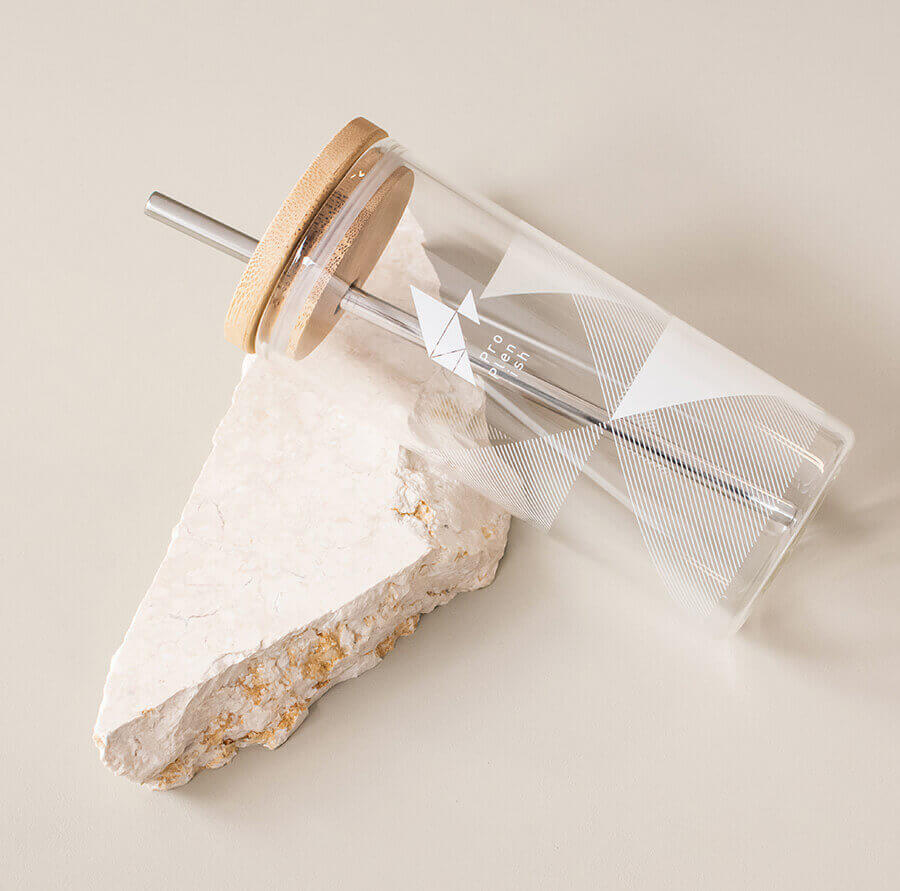
4. Reusable Smoothie Bottles (Avoid PLA “Bioplastics” Smoothie Cups)
The Problem
With the popularity of smoothies, Starbucks frappuccinos, iced-coffees, boba milk tea etc etc, there is another single-use plastic item that can be avoided: the single-use smoothie cup (& straw which we discussed earlier). Yes, many cafes now serves these cold drinks in biodegradale PLA plastics but they’ll not compost unless they end up in a commercial composting faciity.
The Solution
Luckily you can buy nowadays reusable plastic free smoothie bottles. which you can bring with you when you need your next smoothie of coffee fix.
Tip: find one in a thrift store, (It can be also a stainless steel milkshake cup), or repurpose a cocktail shaker as a your reusable smoothie bottle, if you have one already.
Related: 5 Benefits of Plastic-free Smoothie Bottles
5. Reusable Shopping Bags (Leave Them in the Car)
The Problem
This is a very important step, and one of the first ones you should take. How many plastic bags do you have at home already?
The United States uses over 100 billion plastic shopping bags annually, which requires roughly 12 million barrels of oil to produce. While several US states (like California and New York) have banned single-use plastic bags, billions still end up in landfills or polluting our waterways.
Globally the situation is no different. According to the ABC, Australians use around 6 billion plastic bags per year, 3.3 billion of which are supermarket plastic bags. All States & Territories across the country have banned lightweight bags but not all of them have banned the heavyweight plastic bags.
The Solution
You don’t have to buy new fancy grocery bags if you’re on a low budget. There are plenty of reusable shopping bags in circulation already, so just get enough bags together for your usual shopping round.
Tip: if you go shopping by car, just leave them in the car and remember to put them back directly after shopping. If you’re not using your car, then put a few foldable bags in your bag or backpack or at your house/apartment door. This way you’ll remember them when going out.
6. Mesh Produce Bags (For Fruit and Veggies)
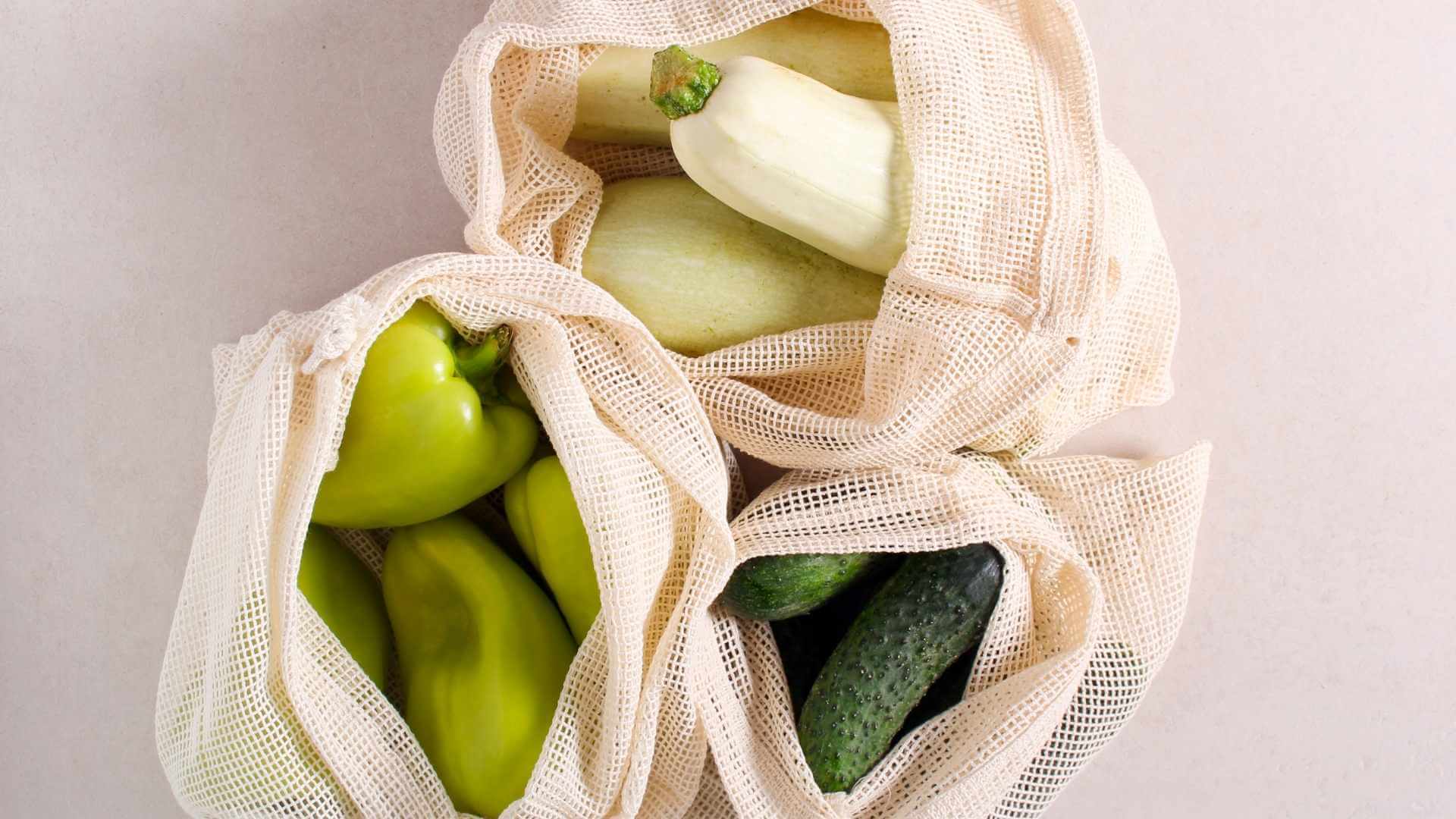
Once you get the hang of the reusable shopping bags, go to the next step and purchase some reusable produce bags, so you don’t have to use those flimsy single-use plastic produce bags of the supermarkets.
Tip: as for the reusable shopping bags, just leave the reusable produce bags in the car and remember to put them back directly after shopping. If you’re not using your car, then put a few of them in your bag or backpack, so you’ll have them with you when you need them.
Related: 7 Inventions that will Help Us Ditch Plastic for Good
7. Bamboo Toothbrushes (Ditch the Plastic Handles)
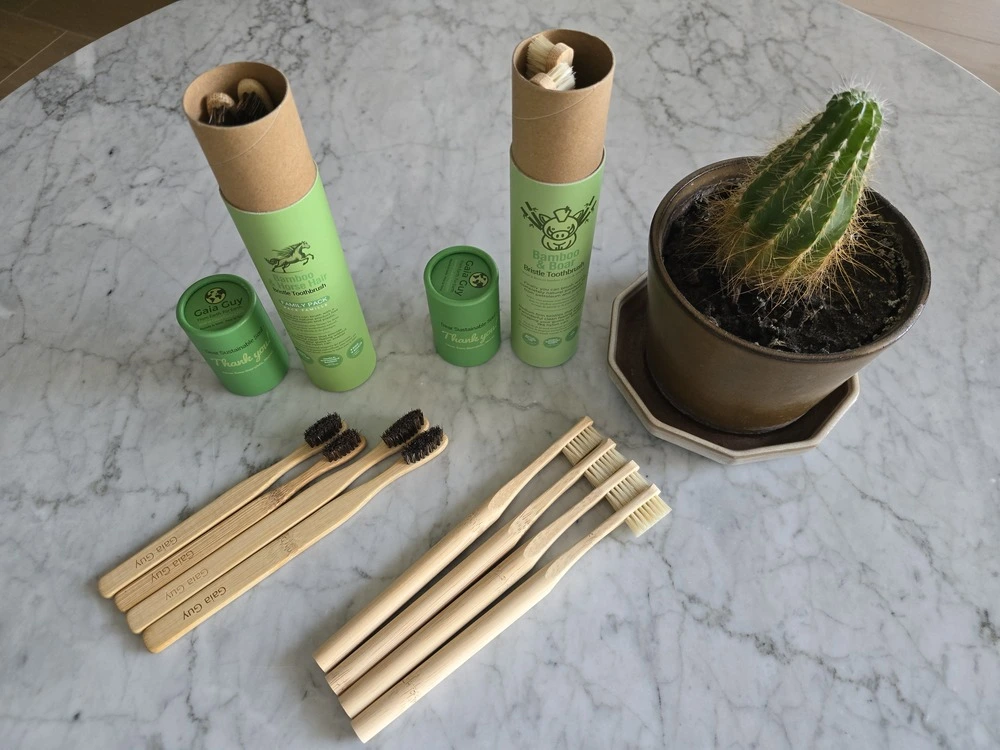
Every dentist would tell you to change your toothbrush every three months right? In Australia alone, over 30 million plastic toothbrushes are used and discarded each year (approximately 1,000 tonnes of landfill).
Swap your plastic toothbrush for a bamboo toothbrush and snap off the head and compost the handle at the end of its life. You can even take some pliers and snap off the nylon bristles if you like. Some toothbrushes claim to be completely biodegradable but please ask the manufacturer if that means home compostable or not. Biodegradable is a term often used in “greenwashing” aka the attempt to make a business seem interested in protecting the environment, when it is not. The bristles might biodegrade only in a certain environment under certain conditions. Most bamboo toothbrushes have nylon bristles, however, there are now bamboo toothbrushes with natural bristles made of horse or boar hair.
Tip: don’t put your bamboo toothbrush straight into a container after washing it, the water will gather at the bottom and will make the bottom of your toothbrush handle mouldy. Lay the toothbrush horizontally directly on the bathroom sink or dry the bottom tip of the handle with a clean towel before placing it in the toothbrush holder.
Related: 4 Microplastic Free Toothbrushes Made with Bamboo and Natural Bristles
8. Travel Cutlery or Sporks (Say No to Plastic Utensils)
Plastic cutlery is one of the most common forms of litter… you see them in every park and on the streets, they cannot be recycled and end up in our waterways often breaking up into microplastics.
If you’re often on the go or are used to buying a takeaway lunch every day at work, please buy a reusable cutlery set or at least a spork which is a spoon & fork in one. Keep them in your everyday bag. There are nowadays many sets available from bamboo cutlery sets, to stainless steel foldable camping sets. Choose one depending for what you need it mostly for: i.e. if you need it everyday in the office, I’d go for stainless steel cutlery as it’s hygienic, safe, and it doesn’t risk of getting mouldy if you frget to wash it. However, if you need it for travelling, I’d opt for a bamboo reusable cutlery set as it’s lighter, and it’s not considered a safety hazard at airport security checkpoints.
Tip: if you are on a low budget, make yourself a set by just gathering together old cutlery from home or from a thrift store and wrapping them in a cloth bag.
9. Stainless Steel or Glass Lunch Boxes (Safe for Microwaves)
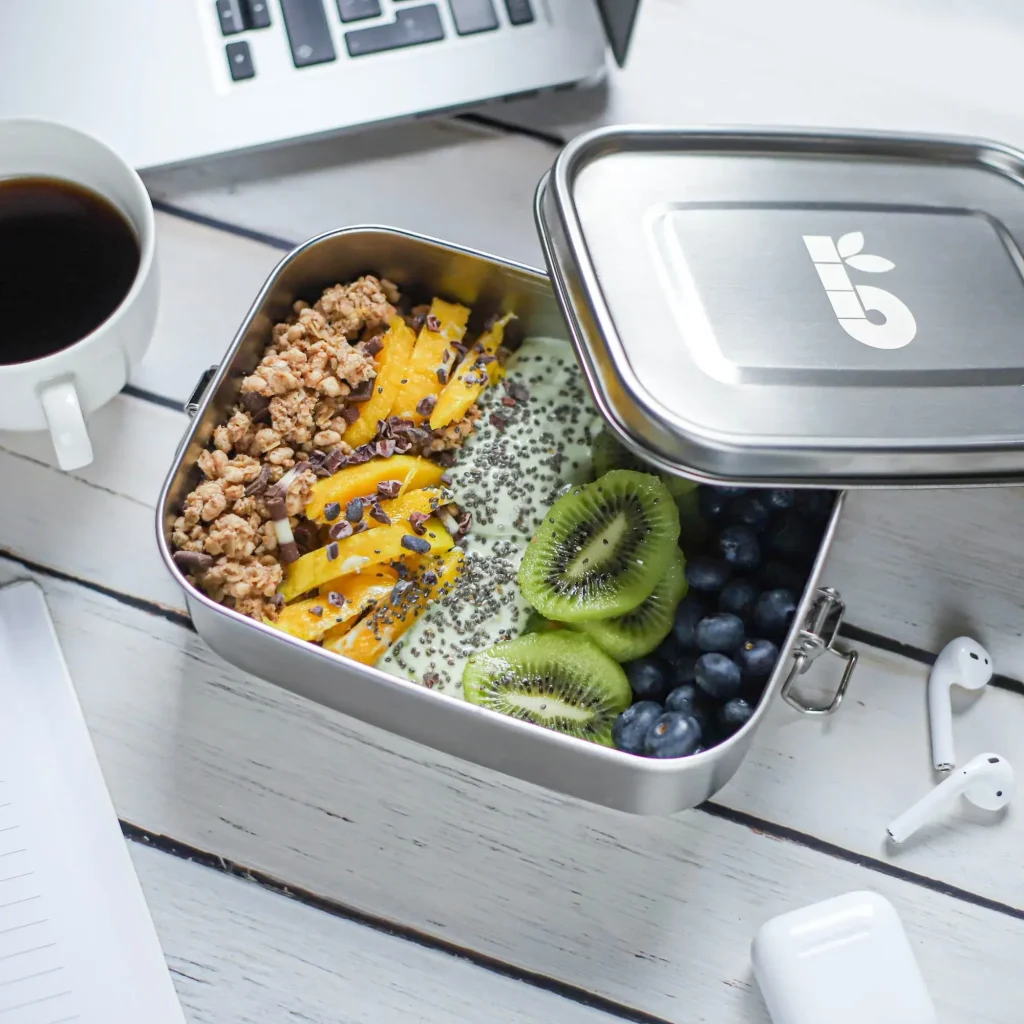
Lunch is often served in plastic containers that will stay in the environment for ever. Plant-based plastic containers made with PLA can only biodegrade in a commercial composting facility under certain conditions of temperature & humidity. By bringing your reusable lunch box to work or with you if you’re going to night markets etc. you avoid single use resources. Again, there are many styles andmaterials of lunchboxes on the market. We recommend using high quality food grade stainless steel or if you need to microwave your food, opt for a glass reusable lunch box. The reason is that it’s not safe to microwave food in plastic containers, even if the containers are marked as BPA free by the manufacturer.
Tip: have a specific “market bag” or “work bag” ready and put the containers straight back into the bag once washed.
Related: 8 Best Non Toxic Lunch Boxes That Don’t Shed Microplastics
10. Beeswax or Vegan Wraps (Replace Plastic Cling Wrap)
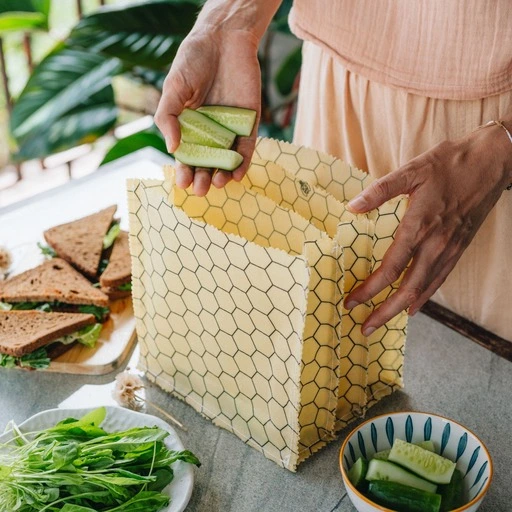
If you’re used to wrapping your left-over food or vegetables in plastic wrap, it’s time to stop. I know we have been brainwashed for decades about how convenient it is to use it but there are many great alternatives to use instead. Beeswax food wraps or vegan wraps are a fantastic way to wrap your kids’ sandwich lunch or your vegetables. Look also for cotton bowl and dish covers to protect your food, plus there are new single-use wraps on the market that are completely home compostable.
Tip: if you’re on a low budget, you can also use a Tupperware or glass jar to store your leftovers in the fridge or simply place a plate on top of a bowl.
Related: 10 Ways to Say No to Plastic in Your Everyday Life
11. Solid Soap Bars (Eliminate Liquid Soap Bottles)

This is an easy way to reduce the consumption of plastic hand wash bottles and dish wash bottles. Yes, it’s handy and less messy to use a liquid soap but by simply using soap bar on a little plate, you are saving many plastic bottles a year. Make sure to choose a palm oil free soap which is not wrapped in plastic.
Alternatively, we also have innovative hand wash powder on our directory that is packaged plastic-free in home compostable sachets and only require water to dissolve into a truly zero waste liquid soap bottle.
Watch the Resparkle Zero-Waste Soap Guide

Image copyright: Resparkle
Related: Best Plastic-Free Soap Dispensers: Eco-Friendly, Refillable & Zero-Waste Options
📋 Take Action: Download Your Plastic-Free Guides
For Beginners:
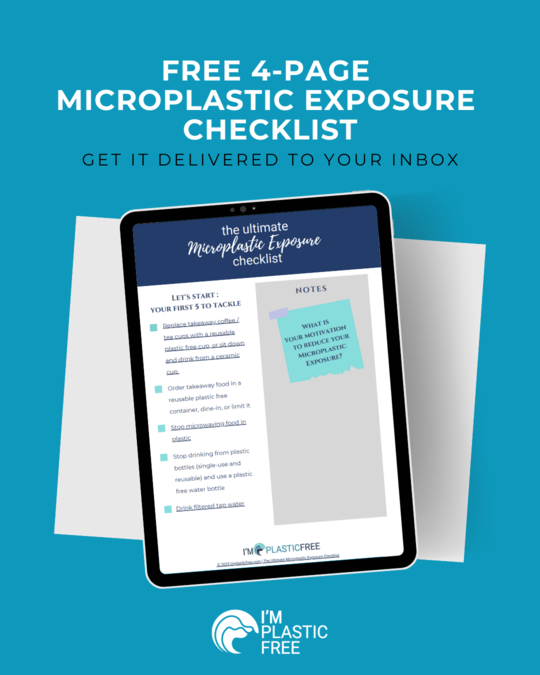
Download our Free 4-Page Plastic-Free Living Checklist to track your room-by-room progress. The checklist has been compiled as a printable workbook where you can simply tick off the solutions you’ve implemented, thus tracking your sustainability progress. It include the first 10 single-use plastic items to give up, and then a checklist of plastic items to replace with more eco-friendly alternatives room by room. Download your free copy here.
For Eco-Warriors:
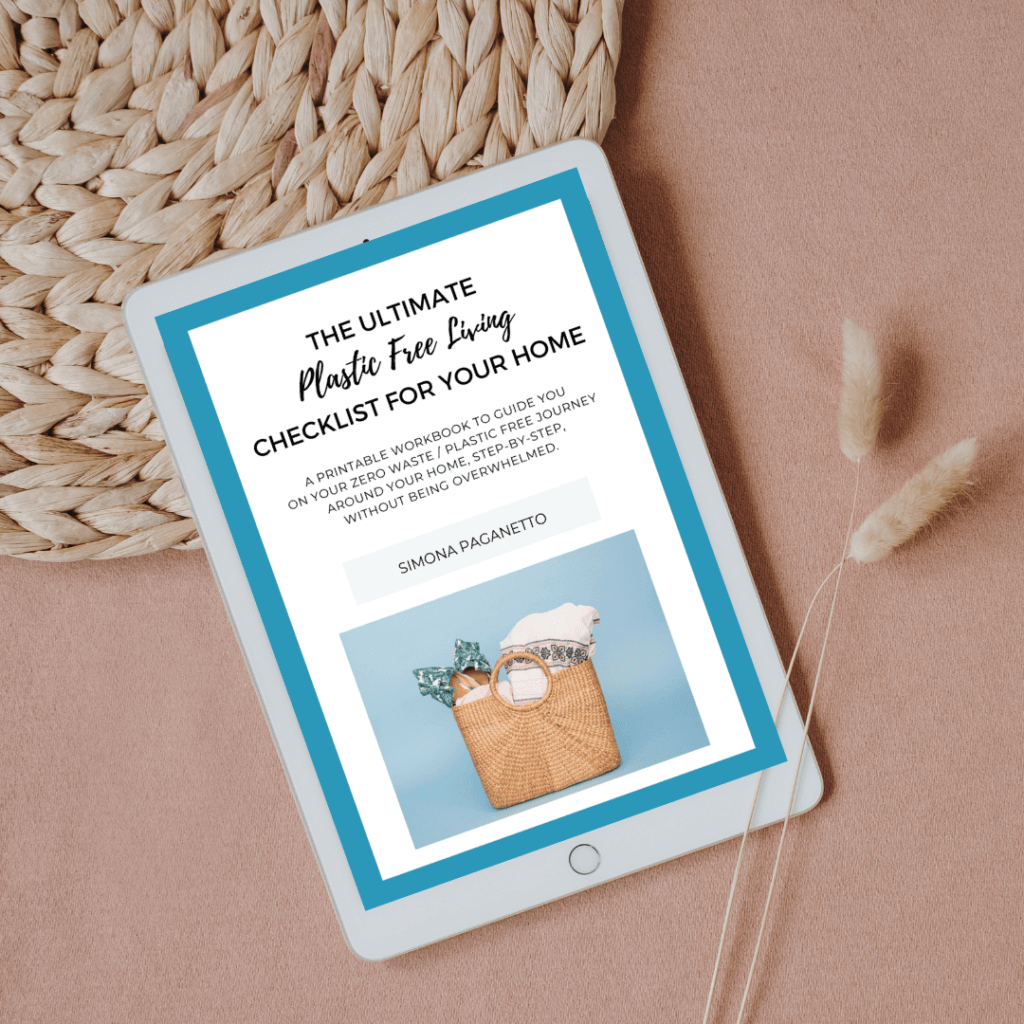
Go advanced and support our work by purchasing The Ultimate Plastic-Free Living Checklist Workbook, a comprehensive 25-page printable guide. It will guide you on your zero waste living / plastic free living journey around your home, step-by-step, room-by-room, without letting you feel overwhelmed.
Related: 45 Catchy No Plastic Slogans
Related: 14 Best Plastic Free Books to Read in 2026
We hope this simple guide answers the “How to go plastic free?” question and that you feel inspired to start today!
You can browse our eco-friendly swaps on I’m Plastic Free.