Microplastics are now found in drinking water, food, air, and even the human body. This comprehensive guide breaks down exactly how microplastics enter your system, and provides a practical, but very thorough, science-backed checklist on how to avoid microplastics. We are aware that they are impossible to avoid 100% but at least we can reduce our exposure across our home, diet, and daily habits.
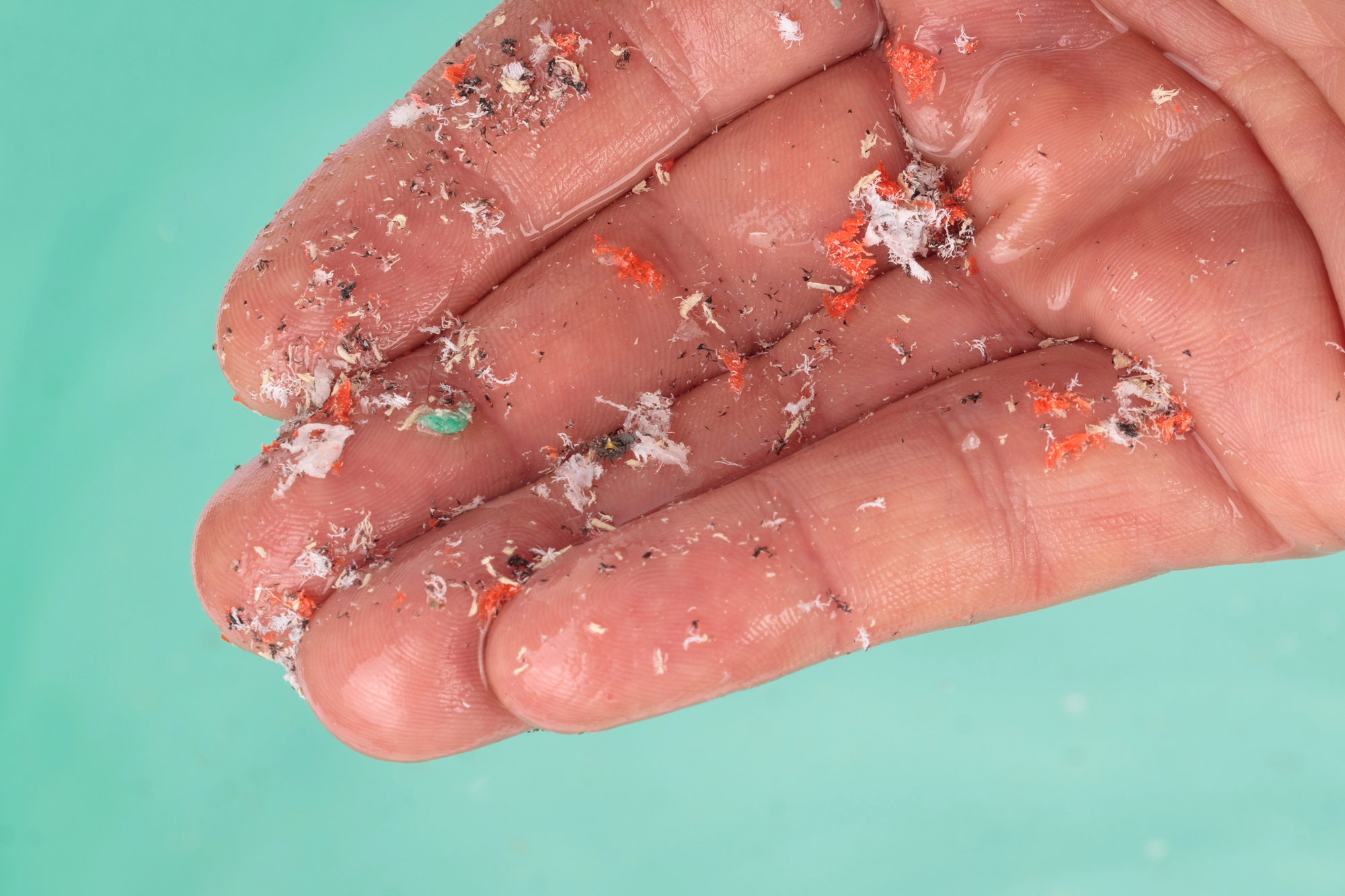
For the general public, the term microplastics is a generalised term, that indicates all types of plastic particles measuring below 5 millimeters (mm) in diameter. For scale, 5 mm is roughly the size of a sesame seed. However, in the scientific literature, there is a clear distinction between microplastics and nanoplastics. Nanoplastics are those particles below 0.1 micrometers or 1 micron.
Microplastics & Plastic Associated Chemicals (PACs) Exposure Pathways: How They Enter Your Body
There’s 4 ways micro- and nanoplastics can be taken into the body, but within this checklist we concentrate on the first three:
- Ingested by swallowing (by ingestion)
- Inhaling airborne dust and particles (by inhalation)
- Absorbed from direct skin contact (by dermal absorption)
- Injected into the bloodstream (i.e. via intravenous IV infusions and medical devices. These often originate from polypropylene bags, tubing, syringes etc.)
While some particles pass through the body, many collect into bodily organs. On top of the physical particles, there are the chemicals used to make plastic. There is increasing research pointing to adverse health effects. The PlasticHealthAware Dashboard (1), by the Minderoo Foundation and Boston College, synthesised 1,000+ studies (2020–2023) linking plastic-associated chemicals (PACs) like BPA, phthalates, and PFAS to serious health risks, including miscarriage and low birth weight, while noting that over 16,000 plastic-related chemicals, many under-studied, may affect human health across their lifecycle.
Factors that increase microplastic exposure:
- Heat, including body heat
- Friction, from rubbing, scrubbing, chewing, etc
- Wear and tear, aged products
- Fluffiness of fabrics
Reducing Plastic Exposure Leads to Reduced Plastic-Associated Chemicals (PACs): The PERTH Trial
Great news, it’s not all doom and gloom! In a 7-day randomised clinical trial (2), published in the peer-reviewed journal Nature Medicine, reducing plastic contact with food, kitchenware and other products significantly reduced levels of several plastic-associated chemicals in participants’ urine, specifically phthalates, and bisphenols. For BPA, one intervention group saw a reduction of almost 60%. The study, named The PERTH Trial, where PERTH stands for Plastic Exposure Reduction Transforms Health was conducted by the University of Western Australia (UWA), and had an observational cohort of 211 Australian participants and a 7-day pilot randomized controlled trial in 60 participants. The PERTH Trial is the world-first clinical trial that provides definitive scientific proof that minimizing daily plastic contact rapidly and substantially reduces the toxic chemical burden inside the human body.
Full Guide on Priority Actions to Avoid Microplastics Divided By Product Categories
This article contains affiliate links, which means we may receive a small commission, at no cost to you, if you make a purchase through one of our links. This helps us continue the very hard work we put into researching products and solutions. It took us weeks to compile this overview.
Please Note: Our health content is for informational purposes only and is not intended as professional medical advice. Consult a medical professional on questions about your health. Please read our disclaimer.
MNPs stands for Micro- and Nanoplastics.
Top Priority Actions to Avoid Microplastics in Drinking Water
| Product | Exposure Risk Factor | Exposure Risk Type | Risk to Infants/Children | Ways to Limit the Exposure | Tickbox |
|---|---|---|---|---|---|
| Tap water | Contains micro- and nanoplastics | Ingested | Yes | Water filters | |
| Plastic bottled water | Contains micro- and nanoplastics | Ingested | Yes | Avoid; BYO metal or glass water bottle, switch to tap filtered water stored in glass/stainlss steel containers |
Actions to Avoid Microplastics On-the-Go (Lifestyle Habits)
| Product | Exposure Risk Factor | Exposure Risk Type | Risk to Infants/Children | Ways to Limit the Exposure | Tickbox |
|---|---|---|---|---|---|
| Disposable coffee cups and lids | Cardboard cups have thin plastic lining; Hot liquids release nanoplastics | Ingested | No | Metal, ceramic, glass cups | |
| Disposable takeaway food containers | Release MNPs and PACs | Ingested | Yes | Dine-in, BYO plastic-free food containers | |
| Plastic drink bottles | MNPs can leach into the liquid | Ingested | Yes | Metal, metal lined, or glass bottles | |
| Chewing gum | Chewing breaks down the gum, releasing MNPs, plus contamination from production process | Ingested | Yes | Avoid if you can, switch to natural gum | |
| Thermal paper receipts | Coated with high concentrations of PACs: Bisphenol A (BPA) or BPS | Absorbed | No | Avoid touching receipts; opt for electronic receipts |
Actions to Avoid Microplastics in Food and Drinks
| Product | Exposure Risk Factor | Exposure Risk Type | Risk to Infants/Children | Ways to Limit the Exposure | Tickbox |
|---|---|---|---|---|---|
| Food/drinks in plastic packaging | MNPs, bisphenols | Ingested | Yes | Reduce consumption if alternatives are available | |
| Canned food / tinned food | Tins / cans are lined with plastic and PACs (bisphenols), even if they say PBA free. | Ingested | Yes | Dry food (beans) or food in glass jars (i.e. tomato sauce, passata etc.) | |
| Highly processed food (chicken nuggets, bread crumbed food etc.) | Exposed to plastics throughout their production and often also have more plastic packaging | Ingested | Yes | Reduce consumption, eat real food, fresh produce | |
| Seafood | Filter feeders (oysters, clams, mussels etc.) accumulate microplastics | Ingested | Yes | Reduce consumption | |
| Tea bags | Hot liquids release MNPs; Pyramid nylon mesh bags are the worst; some are made with PLA/thermal paper glued together; | Ingested | No | Loose tea or plastic-free tea bags | |
| Coffee pods | MNPs can leach into coffee when hot | Ingested | Yes | Aluminum coffee pods or change to a coffee machine with loose coffee powder | |
| Salt | Through ocean microplastics or processing facilities | Ingested | Yes | Certified microplastic free salt | |
| Chewing gum | Chewing breaks down the gum, releasing MNPs, plus contamination from production process | Ingested | Yes | Avoid if you can, switch to natural gum |
Actions to Avoid Microplastics in the Kitchen
| Product | Exposure Risk Factor | Exposure Risk Type | Risk to Infants/Children | Ways to Limit the Exposure | ||
|---|---|---|---|---|---|---|
| Electric plastic kettles | Hot liquids release MNPs | Ingested | Yes, boiling water for baby milk | Stove or electric kettles with a non-plastic interior | ||
| Hot food receptacles and food storage | Cooking, reheating, microwaving or storing hot food in plastic leads to high nanoplastics release | Ingested | Yes | Stainless steel, glass containers, ceramic microwave bowls and containers, glass microwave covers | ||
| Cookware | Cooking or reheating hot food in non-stick cookware (PTFE/Teflon) leads to release of nanoplastics and plastic-associated chemicals (PACs) | Ingested | Yes | Stainless steel, cast iron, pure ceramic cookware | ||
| Plastic cutting boards | Boards shed microplastics with every cut | Ingested | Yes | Cutting boards made of wood, glass etc. | ||
| Plastic kitchen utensils (ladles, spatulas, egg flippers, tongs, spoons etc.) | Contact with hot food or liquids releases microplastics | Ingested | Yes | Kitchen utensils made of wood or stainless steel | ||
| Plastic colander, strainer, sieve | Contact with hot water (i.e. boiling pasta, vegetables) releases microplastics | Ingested | Yes | Colander, strainer, sieve made of stainless steel | ||
| Plastic coffee maker | Contact with hot water releases microplastics | Ingested | Yes | Coffee makers with a non-plastic interior | ||
| Electric kitchen appliances (i.e. air-fryer, blender, toaster, juicer) | Many kitchen appliances haveplastic/ Teflon coated parts | Ingested | Yes | Kitchen appliances (i.e. air-fryer, blender, toaster, juicer) made with stainless steel and glass components | ||
| Cling wrap | Flexible plastics may have phthalates which transfer into food | Ingested | Yes | Cover leftovers with a plate, use beeswax wraps, or stainless steel / glass containers | ||
| Freezer / sandwich bags | Flexible plastics may have phthalates which transfer into food | Ingested | Beeswax wraps, paper bags, stainless steel lunchboxes | |||
| Synthetic sponges, brushes, microfiber kitchen cloths and tea towels | Shed MNPs on your dishes | Ingested | Yes | Cotton/cellulose cloths, coconut fibre, loofah, or metal mesh scourers etc, cotton tea towels | ||
| Dishwasher detergent pods | Shed MNPs on your dishes | Ingested | Yes | Plastic-free dish soap, or tablets |
Actions to Avoid Microplastics in Personal Care Products
| Product | Exposure Risk Factor | Exposure Risk Type | Risk to Infants/Children | Ways to Limit the Exposure | |
|---|---|---|---|---|---|
| Cosmetics and other skin creams | Many liquid and cream products, including sunscreens, shaving creams, etc. have plastic ingredients; body heat can increase likelihood of absorption | Absorbed into the skin | Yes | Plastic-free skincare products, plastic-free sunscreen, plastic-free shaving creams, use microplastics awareness apps to check the ingredients | |
| Shampoo, conditioner, and body wash | Liquid polymers in the ingredients through the skin, our largest organ | Absorbed into the skin | Yes | Plastic-free shampoo & conditioner, body wash | |
| Toothbrush | Microplastics shed from the friction of the nylon bristles | Ingested/ absorbed into the gums | Yes | Plastic-free toothbrush | |
| Toothpaste | MNPs and Plastic-Associated Chemicals (PACs) in the ingredients | Ingested/ absorbed into the gums | Yes | Plastic-free toothpaste | |
| Dental floss | Synthetic floss coated with Plastic-Associated Chemicals (PACs) like PTFE | Ingested/ absorbed into the gums | Yes | Plastic-free dental floss | |
| Make-up (mascara, lipstick, foundation, eye-shadow, nail polish, glitter etc.) | Microplastics intentionally added to improve texture, longevity, and stability | Absorbed into the skin | Yes (younger children increasingly use make-up) | Plastic-free makeup: lipstick, foundation, eye-shadow, mascara, nail polish, glitter etc. | |
| Perfumes (or the ingredient “fragrance” in any personal care product) | Plastic-Associated Chemicals (PACs i.e. phthalates), plus aldehydes, parabens and aluminum-based salts etc. | Breathed in / Absorbed into the skin | Yes | Avoid products with fragrance; natural perfumes | |
| Sanitary products (tampons, sanitary pads, menstrual cups, period pants etc.) | Products made of synthetic materials and plastic-associated chemicals (PACs) like PFAS | Absorbed into the skin or internally | No | Plastic free tampons, plastic-free sanitary pads, natural rubber menstrual cup, period pants made of natural fibers | |
| Disposable adult nappies/ diapers and continence products (plastics in all 3 layers) | Products made of synthetic materials and plastic-associated chemicals (PACs) like PFAS | Absorbed into the skin or internally | No | Low plastic or plastic-free adult nappies/diapers and continence products | |
| Synthetic wet wipes (all types) | Shed microplastics and nanoplastics | Absorbed into the skin | Yes | Plastic-free wipes or reusable natural fiber cloth | |
| Synthetic condoms and lubricants | Products made of synthetic materials and Plastic-Associated Chemicals (PACs) like PFAS | Absorbed into the skin or internally | No | Natural latex condoms, lubricants with natural ingredients | |
| Synthetic bath/shower sponges | Microplastics can be absorbed into the skin during friction | Absorbed into the skin | Yes | Natural fiber cloths and sponges | |
| Synthetic hair brushes with plastic bristles | Among biological matrices, hair has the highest exposure to microplastics | Absorbed into the skin | Yes | Brushes made of wood with natural fiber bristles | |
| Synthetic hair removal waxes | Microplastics absorbed into the skin through heat | Absorbed into the skin | No | Natural hair removal waxes | |
| Synthetic protective face masks | Microplastics and chemical additives are released | Ingested / breathen in | No | Masks made with natural fibers | |
| Synthetic ear plugs | Microplastics and chemical additives are released directly into the ear | Absorbed | Earplugs made of mycelium, or beeswax |
A note about cosmetics and perfumes: While it may seem surprising that everyday ‘leave-on’ products can contain plastic ingredients, it is known that many such products are made using elements like liquid, semi-solid, and soluble polymers for texture improvement and as cheap fillers. They are usually invisible to the naked eye.
Actions to Avoid Microplastics in Clothing & Textiles
| Product | Exposure Risk Factor | Exposure Risk Type | Risk to Infants/Children | Ways to Limit the Exposure | ||
|---|---|---|---|---|---|---|
| Synthetic intimate apparel and socks | Loose fibres can release nanoplastics, especially with body heat or worn out items | Ingested, Inhaled, Absorbed | Yes | Underwear made of natural fibers, socks made of natural fibers | ||
| Synthetic clothing | Release micro- and nanoplastics, also with every wash | Ingested, Inhaled, Absorbed | Yes | Clothing made of natural fibers | ||
| Bedding (i.e. sheets, blankets, throws, quilts, pillows, mattresses and protectors) with synthetic fibers | Loose fibers can release nanoplastics, especially with body heat or worn out items | Ingested, Inhaled, Absorbed | Yes | Bedding (i.e. sheets, blankets, throws, quilts, pillows, mattresses and protectors) with natural fibers | ||
| Synthetic shoes, slippers, eg. vinyl, plastic | Loose fibers can release nanoplastics | Ingested, Inhaled, Absorbed | Yes | Shoes made of (vegan) leather, wood, cork, hemp | ||
| Synthetic carpets and rugs | Loose fibers can release nanoplastics | Ingested, Inhaled | Yes | Carpets and rugs made with natural fibers | ||
| Synthetic curtains | Loose fibers can release nanoplastics | Ingested, Inhaled | Yes | Curtains made with natural fibers | ||
| Synthetic shower curtains | Curtains made of PVC, PEVA, or EVA can release microplastics and harmful chemical additives (i.e. phthalates) into the air through heat and humidity | Ingested, Inhaled | Yes | Shower curtain made with natural fibers | ||
| Washing machines | Machine washing is the main source of microfiber emissions | Ingested, Inhaled, Absorbed | Yes | Cold temperature, gentle cycle, wash less often; use a microfiber filter | ||
| Clothes tumble dryers | Tumble dryers are a major source of airborne microfibers | Ingested, Inhaled, Absorbed | Yes | Line dry, wash less often; use a dryer infoor or duct filter and ventilate the laundry |
Actions to Avoid Microplastics in Babies and Children
| Product | Exposure Risk Factor | Exposure Risk Type | Risk to Infants/Children | Ways to Limit the Exposure | |
|---|---|---|---|---|---|
| Babies pacifiers / dummies and bottle teats | Pacifiers / bottle teats release nanoplastics with heat and friction | Ingested | Yes | Natural rubber pacifiers / dummies, natural rubber bottle teats | |
| Plastic baby milk bottles | Leaching of endocrine-disrupting chemicals (EDCs), such as bisphenol A (BPA) and phthalates, and the shedding of microplastics. | Ingested | Yes | Stainless steel / glass baby bottles | |
| Toys and teethers | Toys made of soft synthetic fabric, hard plastic toys and teethers; High exposure for young children mouthing products | Ingested | Yes | Limit exposure, especially if a child likes to put things in their mouth; Seek out alternative products, such as wooden toys or cotton dolls | |
| Baby wipes | Shed microplastics and nanoplastics | Absorbed into the skin | Yes | Plastic-free baby wipes |
Actions to Avoid Microplastics in the Air & Indoor Environment
| Product | Exposure Risk Factor | Exposure Risk Type | Risk to Infants/Children | Ways to Limit the Exposure | |
|---|---|---|---|---|---|
| Household dust | Inhalation of airborne microfibers and the ingestion of settled dust, due to high % synthetic fibres from clothes, rugs, carpets, etc. | Breathed in /Ingested | Yes | Vacuum often using a HEPA filter, ventilate often through open windows, dust with a damp cloth over dry dusting. | |
| Household dust | Inhalation of airborne microfibers and the ingestion of settled dust, due to high % synthetic fibres from clothes, rugs, carpets, etc. | Breathed in / Ingested | Yes | Use HEPA air-purifiers | |
| Household dust | Inhalation of airborne microfibers and the ingestion of settled dust, due to high % synthetic fibres from clothes, rugs, carpets, etc. | Breathed in / Ingested | Yes | Take shoes off indoors to limit pollutants on floors | |
| Household dust | Inhalation of airborne microfibers and the ingestion of settled dust, due to high % synthetic fibres from clothes, rugs, carpets, etc. | Breathed in / Ingested | Yes | Reduce synthetic rugs, carpets, upholstery etc. |
And keep your pets in mind too – risks may be the same for them!
Please think twice about disposing of unwanted plastics as plastic in landfill eventually breaks down into microplastic. For example, try repurposing plastic containers as storage for non-consumables – i.e.. nails, buttons.
References and Scientific Literature Sources:
(1) Global Observatory on Planetary Health at Boston College, & Minderoo Foundation. (2025). PlasticHealthAware: Findings of harm. https://plastichealthaware.bc.edu/findings.php
(2) Harray, A., Lucas, R. M., & PERTH Trial Study Group. (2026). Low-plastic diet and urinary levels of plastic-associated phthalates and bisphenols: The randomized controlled PERTH Trial. Nature Medicine, 32(5), 1871–1883. https://www.nature.com/articles/s41591-026-04324-7
Browse our platform for plastic alternatives: I’m Plastic Free.
Copyrights © 2026 – I’m Plastic Free – All Rights Reserved.